


Over 1,000 fans, including many celebrities, took part in a memorial service in Tokyo, Japan last Friday for Japanese cartoonist Momoko Sakura — creator of the long-running comic and anime TV series Chibi Maruko-chan. The cartoonist died from breast cancer on Aug. 15 at the age of 53.
At the ceremony, Japan’s Southern All Stars vocalist Keisuke Kuwata sang Happiness of One Million Years, a former closing song for the hit anime TV series composed by Kuwata and with lyrics by Sakura herself, as part of a tribute to the late cartoonist, who first published the series in a comic in 1986.
The series depicts the simple, everyday life of a little girl named Maruko and her family in the 1970s in Japan’s Shizuoka Prefecture, the cartoonist’s birthplace. It has gained popularity throughout Asia and is still broadcast in Taiwan. It can be watched on YoYo TV and MoMo TV.

Photo: Wang Jung-hsiang, Liberty Times
照片︰自由時報記者王榮祥
(Eddy Chang, Taipei Times)
上千名粉絲和各界名人上週五齊聚日本東京,參與漫畫家櫻桃子的告別式。她曾一手打造了長壽漫畫及卡通《櫻桃小丸子》,梢早於八月十五日因乳癌過世,享年五十三歲。
而在告別式上,南方之星樂團的主唱桑田佳祐特別獻唱《100萬年的幸福》,來向這位漫畫家致敬,該曲曾是這部熱門卡通片尾曲,由桑田所譜曲、櫻桃子本人負責填詞。小丸子系列於一九八六年,首次在漫畫雜誌出版。
該系列描述一位可愛的小女孩小丸子,和她的家人於一九七○年代,住在日本靜岡縣單純的日常生活,該縣是作者本人的出生地。小丸子在亞洲各國都大受歡迎,在台灣直到今日仍被重複播出,目前在東森幼幼台和MoMo親子台熱播。
(台北時報張聖恩)

Cameras are everywhere — in our pockets, on our walls and even in space. They capture emotions, preserve history and reflect culture. Through these devices, photography is now essential to modern life, influencing how we perceive ourselves and the world. To understand the root of their power, let’s explore the camera’s remarkable journey. The story begins with the camera obscura, a dark room with a tiny hole. Light passing through the opening projected an inverted image on the opposite wall. Renaissance artists used this principle to paint accurate scenes. However, these images couldn’t be preserved as photographs. That changed

A: This year’s two most anticipated films have finally hit theaters in Taiwan. “Michael” premiered last Wednesday, while “The Devil Wears Prada 2” premiered this Wednesday ahead of its global release. B: Isn’t “Michael” the biopic about the late King of Pop Michael Jackson? A: Yup, it tells the story of Michael’s legendary life, from child star to global icon. And the role is in fact played by his nephew, Jaafar Jackson. B: Michael caused a sensation when touring Taiwan twice in 1993 and 1996. His classic hits, dance moves and music videos reshaped global pop culture at that time. A: I’m gonna

A: In addition to the biopic “Michael,” comedy “The Devil Wears Prada 2” is finally in theaters. I can’t believe it’s been 20 years since the 2006 debut of the original film. B: Does the sequel still revolve around the fashion industry? A: This time, “Miranda,” the fashion magazine editor-in-chief played by Meryl Streep, will team up with her former assistant “Andy,” played by Anne Hathaway, to fight against Emily, her other ex-assistant played by Emily Blunt. B: Isn’t the role of “Miranda” based on then US “Vogue” editor-in-chief Anna Wintour? A: Yup, it established Anna’s fashion status, influenced pop culture
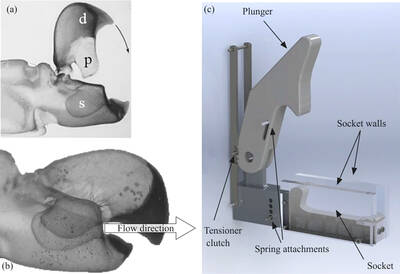
Few sea creatures of their size have as much destructive power as pistol shrimp. These small animals, usually measuring around four centimeters long, produce shock waves that can stun or even kill their prey. The attack begins when the shrimp opens its specialized claw, allowing water to fill a chamber inside. Then the claw closes rapidly. A bump on the claw strikes the chamber, forcing the trapped water out through a narrow opening at a high speed of about 25 meters per second. The rapid movement forms a bubble in the water that collapses almost instantly under the pressure of the


 RSS
RSS