


Native dogs across North America all but disappeared as a result of Europeans arriving in the Western Hemisphere some 500 years ago, a study published on July 5 found.
Researchers found that dogs likely first moved to the New World thousands of years ago, alongside human settlers coming from Siberia across what is now the Bering Strait.
They then lived here relatively undisturbed until European settlers arrived in about the 15th century, whereupon the colonizers’ breeds quickly displaced indigenous canine populations.
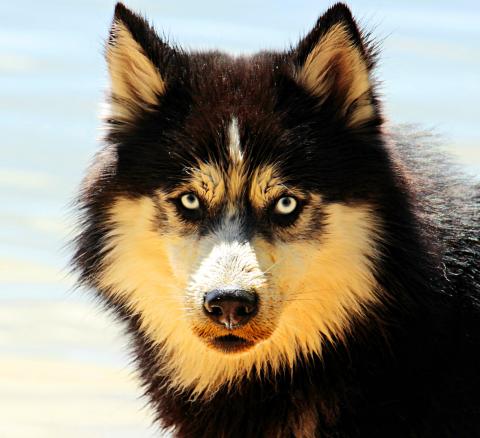
Photo: Pixabay
照片:Pixabay
“People in Europe and the Americas were genetically distinct, and so were their dogs,” said Greger Larson, director of the Palaeogenomics & Bio-Archaeology Research Network (Palaeo-BARN) at Oxford and senior author of the study.
“And just as indigenous people in the Americas were displaced by European colonists, the same is true of their dogs.”
The findings are based on research by an international team of 50 scientists, who looked at the DNA of the remains of 71 ancient dogs and compared these to modern American animals.
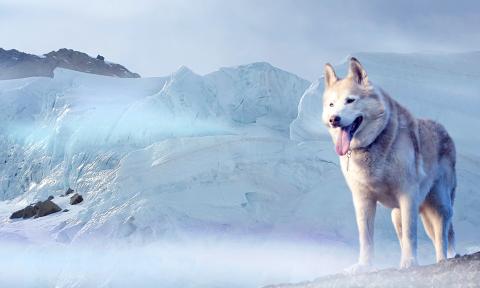
Photo: Pixabay
照片:Pixabay
The research was led by the University of Oxford, University of Cambridge, Queen Mary University of London and Durham University.
Scientists found that the ancient dogs came first from Siberia, and that modern American breeds share few common genetic connections.
The oldest evidence for dogs in the Western Hemisphere dates back about 10,000 years, some 6,500 years after the first humans arrived.
It appears that native dog populations could have been wiped out through a number of causes, including disease, persecution and Europeans’ desire to raise their own breeds.
Modern American dogs like Labradors and Chihuahuas are descended from Eurasian breeds introduced between the 15th and 20th centuries, said lead archaeologist Angela Perri from Durham University in England.
Strangely, the most direct genetic link between ancient American dogs and modern ones is found in a cancerous canine tumor derived from a dog that lived up to 8,000 years ago, the study states.
“It’s quite incredible to think that possibly the only survivor of a lost dog lineage is a tumor that can spread between dogs as an infection,” said Maire Ni Leathlobhair from the Department of Veterinary Medicine at the University of Cambridge.
“Although this cancer’s DNA has mutated over the years, it is still essentially the DNA of that original founder dog from many thousands of years ago.”
(AFP)
本月五日發表的一項研究發現,大約五百年前歐洲人抵達西半球後,導致北美洲的土著狗幾乎完全消失。
研究人員發現,狗最早可能是在數千年前,跟遷徙的人類一起,從西伯利亞穿越現今的白令海峽,移入新大陸。
然後他們在這裡過著相對不受干擾的生活,直到大約十五世紀歐洲移民抵達為止──之後歐洲殖民者所帶來的犬類品種迅速取代了土著犬。
「歐洲和美洲的人在基因上是不同的,他們的狗也是如此」,這項研究的主要作者葛雷格‧拉森說。拉森是牛津大學古代基因組學與生物考古學研究網主任。
「正如美洲原住民被歐洲殖民者所取代一樣,他們的狗也是如此。」
這項發現是五十名科學家組成的國際團隊的研究成果,他們研究了七十一副古代犬遺骸的DNA,並將其與現代美洲的動物進行比對。
該研究是由牛津大學、劍橋大學、倫敦瑪麗皇后大學和杜倫大學所領導。
科學家發現,美洲古代的狗最早來自西伯利亞,和現代美洲犬的品種在遺傳基因上幾乎沒有共同之處。
西半球可找到狗的最古老證據,可以追溯到大約一萬年前,這是第一批人類抵達後約六千五百年。
美洲本土犬被消滅的原因似乎有很多種,包括疾病、迫害,以及歐洲人想要養他們自己的品種。
本研究主要考古學家,英國杜倫大學的安吉拉‧佩里說,像拉布拉多犬和吉娃娃這樣的現代美洲犬,是十五到二十世紀之間引進的歐亞品種的後代。
奇怪的是,古代美洲犬與現代犬之間最直接的基因遺傳關係,是在一種源自八千年前一隻狗的癌症腫瘤中發現的,該研究寫道。
劍橋大學獸醫系的梅兒‧尼‧萊德貝表示,「這些消失的狗所可能唯一留存下來的血統,是一種會在狗之間傳染散布的腫瘤,想來真令人難以置信。」
「雖然這種癌症的DNA長久以來一直在突變,但它實質上仍是數千年前原來那隻狗的DNA。」
(台北時報林俐凱編譯)

A: The Danjiang Bridge in New Taipei City is to open on May 12, and the MRT Sanying Line (Light Blue Line) will also open in June. Isn’t that great? B: Is that the bridge connecting the city’s Tamsui and Bali Districts? What’s so special about this new landmark spanning the Tamsui River? A: The Danjiang Bridge will become the world’s longest-span single-mast asymmetric cable-stayed bridge — with a total river-crossing section of 920 meters and main span of 450 meters. B: The news says there are sidewalks and bike lanes on both sides. Watching the sunset from the
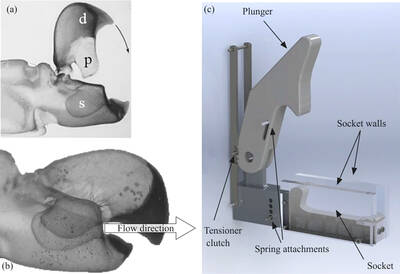
Few sea creatures of their size have as much destructive power as pistol shrimp. These small animals, usually measuring around four centimeters long, produce shock waves that can stun or even kill their prey. The attack begins when the shrimp opens its specialized claw, allowing water to fill a chamber inside. Then the claw closes rapidly. A bump on the claw strikes the chamber, forcing the trapped water out through a narrow opening at a high speed of about 25 meters per second. The rapid movement forms a bubble in the water that collapses almost instantly under the pressure of the

In the dense forests of Tanzania, a young researcher sat quietly among the trees, her gaze fixed on a troop of chimpanzees. It was 1960, and Jane Goodall, armed with nothing but a notebook and endless curiosity, was about to change science forever. Inspired by childhood stories like the Dr. Dolittle series, she had dreamed of Africa — and now, thanks to the encouragement of anthropologist Louis Leakey, she was there, face-to-face with the wild. What Jane discovered shocked the world. Chimpanzees weren’t mere creatures of instinct; they were individuals with emotions, families, and even the capacity for tool

★ Bilingual Story is a fictionalized account. 雙語故事部分內容純屬虛構。 Rain hammered the roof in hard, uneven bursts. “Hold him still!” Baosheng pressed one hand against the stranger’s brow as the man twisted on the wooden bed. His left eye was swollen shut. The right one burned red like a coal. “It feels like fire,” the man gasped. “Like something is clawing inside.” Thunder rolled across the mountain. Baosheng leaned closer. The man’s skin was cold, but heat rose from his face. A strange smell hung in the air. He began the four methods of diagnosis: looking, listening/smelling,


 RSS
RSS