


AS Typhoon Chan-Hom followed close on the heels of Tropical Storm Linfa, many people were hoping that they could get a typhoon holiday. Typhoon Chan-Hom made its closest approach to Taiwan on Friday last week, but a fake holiday announcement appeared on the Internet as early as Tuesday with the headline “Executive Yuan’s Directorate-General of Personnel announces counties and cities having a typhoon holiday tomorrow.” After clicking on the link, Internet users found that it led to a Chinese Web site. Suspecting that there might be a virus or malware lurking there, they urged everyone not to click on the link, pointing out that the correct information could be obtained by visiting the Web site of the Executive Yuan’s Directorate-General of Personnel Administration or checking up on news media.
Data security experts observed that the title of the link was “Executive Yuan’s Directorate-General of Personnel announces counties and cities having a typhoon holiday tomorrow.” They said that one need only judge it logically to know there were problems with it, including the fact that the official title of the Executive Yuan department is the “Directorate-General of Personnel Administration, Executive Yuan,” so the word “administration” was missing from the link title. Apart from that, it was not possible that any information about suspension of work or classes would be announced at that point in time. The third and most suspicious point was that the Web site was based in China, as could be seen from the “.cn” suffix. The experts reminded the public to be careful about clicking on dubious links.
(Liberty Times, translated by Julian Clegg)
蓮花颱風之後又有昌鴻颱風接力,許多民眾期待能放颱風假。昌鴻颱風上週五最靠近台灣,但上週二網路卻已出現山寨版的放假公告,標題為「行政院人事總處公告明天放假縣市」。網友點選後發現是中國網站,懷疑藏有惡意病毒程式,呼籲大家別點選,並指出正確放假資訊可上行政院人事行政總處網站或通過新聞媒體查詢。

Photo taken from the Internet
照片由網路翻攝
資安專家表示,該連結標題為「行政院人事總處公告明天放假縣市」,只要依邏輯判斷就知道有問題,包括行政院正式名稱為「行政院人事行政總處」,該連結名稱少了「行政」兩字;另外當時時間點也不可能發佈任何停止上班上課訊息;第三點最可疑,因為網址來源是中國(.cn),提醒民眾點選不名連結要多加注意。
(自由時報記者陳炳宏)

Many consumers are guilty of filling drawers or closets with old laptops, cellphones, fitness trackers and other electronic devices once they are no longer needed. It’s hard to know where to recycle such items, or it seems costly and inconvenient to do so. The world generates millions of tons of electronic waste — also called e-waste — each year. According to the UN’s most recent estimate, people worldwide produced 62 million metric tons of e-waste in 2022, and only about 22 percent of it was properly recycled. The US’ Environmental Protection Agency estimates that less than a quarter of e-waste is
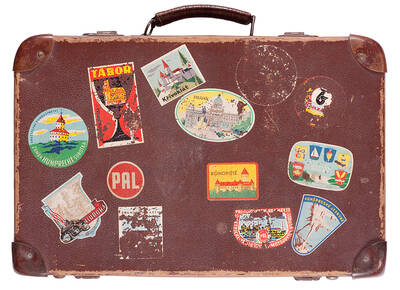
Travel fever is back, and it’s contagious. After years of being kept home during the COVID-19 pandemic, people are once again eager to explore the world. Rather than just book any trip, travelers are getting smarter about how they scratch that travel itch. Microcation Defined as four days or fewer and over 160km away from home, the microcation perfectly matches the post-pandemic mindset. After long periods of remaining indoors, people are making up for lost time by taking short, frequent getaways throughout the year. These brief trips avoid the work-life imbalance that comes with long absences. With only a few days away, one’s

You’re sitting in class when a classmate asks to borrow a pencil. It seems like a small favor, so you agree without hesitation. The following week, the same classmate asks to share your notes. Later, they request help with a group project. You agree each time — after all, you helped out the first time — but before you know it, it has become automatic. This scenario demonstrates the “foot-in-the-door technique,” a psychological concept that shows how agreeing to small, acceptable demands makes it easier to accept larger ones later on. The name for this strategy comes from door-to-door

Continued from yesterday(延續自昨日) https://www.taipeitimes.com/News/lang Gig Tripping “Gig tripping” combines concerts with travel. People fly to see their favorite artists perform — usually abroad—and spend a few days sightseeing before or after the show. While die-hard fans have done this since the 1960s, the post-pandemic travel boom changed the game. Even people who aren’t superfans are now booking international concert trips because they want to make the most of travel opportunities. This trend exploded in the US, as the math makes sense. Domestic concert tickets are so costly that flying abroad for the show plus tourism expenses often matches or even beats the price


 RSS
RSS