


The Hsinchu City International Glass Art Festival’s Glass Art Street opened to the public for the first time on Sunday last week. The exhibition areas for the festival will be located at the Lakeside Pavilion next to the History of Glass Museum. There are 12 glass artists participating in this year’s event, which will last until March next year. Hsinchu Mayor Hsu Ming-tsai joined the artists for the street’s inauguration. Hsinchu city dwellers are invited to come and show their support for glass artwork, which will be available for purchase and could make excellent Christmas and New Year’s gifts.
The festival will last for 93 days, beginning on Dec. 22 and ending March 10 next year. With 12 glass artists on site, the opening of Glass Art Street is the first of many activities underway before the event actually kicks off next week. The Hsinchu City Government is encouraging talented local artists and glass companies to join forces in their cultural creativity endeavors. Of all the local glass artwork on display, 24 certified products have been selected to help increase the international popularity of glass art products coming out of Hsinchu.
Lin Jung-chou, director of the Hsinchu Bureau of Cultural Affairs, says that the three Japanese-style buildings located at Hsinchu Park’s Lakeside Pavilion will serve as display areas for the festival. Each of the 12 artists possesses their own unique style and incorporates various techniques to bring out the special characteristics of glass. The event will also include special exhibits for the 12 animals of the Chinese zodiac as well as glass ornaments shaped like the sky lanterns that were on display when the Taiwan Pavilion opened in Hsinchu at the end of September. Every piece of art on display is both exquisite and functional at the same time.

Photo: Hung Mei-hsiu, Liberty Times
照片:自由時報記者洪美秀
The festival will run daily from 9am to 6pm. Each of the three display areas has a distinct flavor and global feel. Aside from glass artwork, the event will also include displays with useful everyday products for sale, as well as glass artists giving demonstrations and glass art lessons. There will be special discounts for glass art products during weekends and holidays. Everyone is invited to bring the family and enjoy the fun.
(Liberty Times, Translated by Kyle Jeffcoat)
新竹市國際玻璃藝術節玻璃藝術街上週日開幕﹗位在玻工館旁的湖畔料亭,有十二家玻璃創作者進駐,市長許明財與玻藝家十二月九日為藝術街揭幕,活動將持續到明年三月,歡迎市民支持玻璃藝術創作,還可選購做為耶誕及新年賀節的伴手禮。
國際玻璃藝術節廿二日開幕,活動持續到明年三月十日,共九十三天,而玻璃藝術街率先登場,為活動暖身,今年有十二家玻璃業者進駐,市府鼓勵在地優秀藝術家及玻璃業者結合文創,已甄選出廿四件認證商品,要提昇竹市的玻璃藝術品牌國際化。
文化局長林榮洲說,今年玻璃藝術節以新竹公園(湖畔料亭)三棟日式建築為展示會場,十二家玻璃業者都有各自獨到的特色,以不同的技法,發揮玻璃的特性,像有生肖特展藝品及台灣館今年九月底開館的玻璃天燈吊飾等,每件作品都很精緻具實用性。
玻璃藝術節開放時間是每日上午九點到下午六點,三個館都各具特色、兼具國際化。活動期間除有玻璃藝術品及生活日常用品的展售、還有玻璃師傅現場示範教學,例假日及節慶日更有藝術品折扣特惠,歡迎民眾全家遊賞。
(自由時報記者洪美秀)

Cameras are everywhere — in our pockets, on our walls and even in space. They capture emotions, preserve history and reflect culture. Through these devices, photography is now essential to modern life, influencing how we perceive ourselves and the world. To understand the root of their power, let’s explore the camera’s remarkable journey. The story begins with the camera obscura, a dark room with a tiny hole. Light passing through the opening projected an inverted image on the opposite wall. Renaissance artists used this principle to paint accurate scenes. However, these images couldn’t be preserved as photographs. That changed

A: This year’s two most anticipated films have finally hit theaters in Taiwan. “Michael” premiered last Wednesday, while “The Devil Wears Prada 2” premiered this Wednesday ahead of its global release. B: Isn’t “Michael” the biopic about the late King of Pop Michael Jackson? A: Yup, it tells the story of Michael’s legendary life, from child star to global icon. And the role is in fact played by his nephew, Jaafar Jackson. B: Michael caused a sensation when touring Taiwan twice in 1993 and 1996. His classic hits, dance moves and music videos reshaped global pop culture at that time. A: I’m gonna

A: In addition to the biopic “Michael,” comedy “The Devil Wears Prada 2” is finally in theaters. I can’t believe it’s been 20 years since the 2006 debut of the original film. B: Does the sequel still revolve around the fashion industry? A: This time, “Miranda,” the fashion magazine editor-in-chief played by Meryl Streep, will team up with her former assistant “Andy,” played by Anne Hathaway, to fight against Emily, her other ex-assistant played by Emily Blunt. B: Isn’t the role of “Miranda” based on then US “Vogue” editor-in-chief Anna Wintour? A: Yup, it established Anna’s fashion status, influenced pop culture
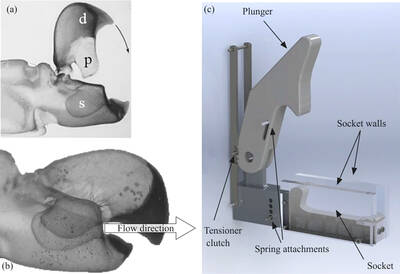
Few sea creatures of their size have as much destructive power as pistol shrimp. These small animals, usually measuring around four centimeters long, produce shock waves that can stun or even kill their prey. The attack begins when the shrimp opens its specialized claw, allowing water to fill a chamber inside. Then the claw closes rapidly. A bump on the claw strikes the chamber, forcing the trapped water out through a narrow opening at a high speed of about 25 meters per second. The rapid movement forms a bubble in the water that collapses almost instantly under the pressure of the


 RSS
RSS