


The Tourism Bureau under the Ministry of Transportation and Communication released the results of its most recent hotel rating survey last week. This is the sixth hotel review it has conducted since the bureau launched its star-rating system in 2010. Six hotels, including Fleur de Chine Hotel at Sun Moon Lake, the Fullon Hotel Taipei, the Nice Prince Hotel in Chiayi County, Le Meridien Taipei, Parkview Hotel in Hualien County and the Splendor Hotel Taichung, received five-star ratings. Four hotels, including Fullon Hotel Jhongli, Red Maple Boutique Hotel in Nantou County, Maison de Chine in Greater Taichung, and Chateau de Chine Kaohsiung, were given four-star ratings, while five hotels received three-star ratings and 13 hotels were given two-star ratings.
Since the bureau began its hotel rating system in 2010, Taiwan now has 15 hotels with one-star ratings, 55 hotels with two-star ratings, 36 hotels with three-star ratings, 18 hotels with four-star ratings, and 51 hotels with five-star ratings. There are 175 tourist and regular hotels that currently participate in the bureau’s rating system. Ratings last for three years, at which time the hotel must be re-evaluated to ensure its quality.
(Liberty Times, Translated by Kyle Jeffcoat)
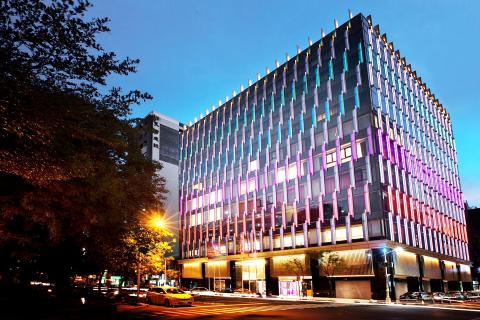
Photo courtesy of L’Hotel de Chine Group
照片由雲朗集團提供
交通部觀光局上週發表最新的星級評鑑旅館結果,是觀光局從二0一0年開始星級評鑑的第六次。日月潭雲品、台北福容、嘉義耐斯王子、台北寒舍艾美、花蓮美侖以及台中金典等六家飯店獲得五星級認證。獲得四星級認證的飯店有中壢福容、南投台一楓樺卉館、台中兆品、高雄翰品等四家。獲得三星級的飯店有五家、二星級有十三家。
觀光局從二0一0年開始推動星級旅館評鑑制度,目前全台灣一星級旅館有十五家、二星級旅館五十五家、三星級旅館卅六家、四星級旅館十八家、五星級旅館五十一家。全台共有一百七十五家觀光旅館及一般旅館加入星級飯店的行列,每三年要重新評鑑確保品質。
(自由時報記者林嘉琪)
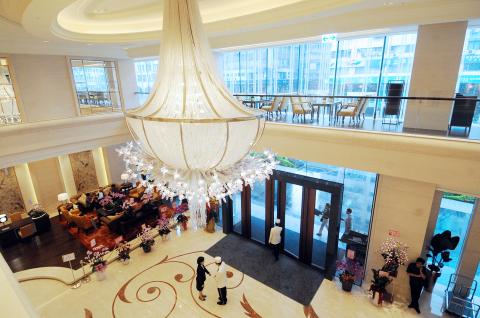
Photo: Lo Pei-der, Liberty Times
照片: 自由時報記者羅沛德

Photo courtesy of L’Hotel de Chine Group
照片由雲朗集團提供
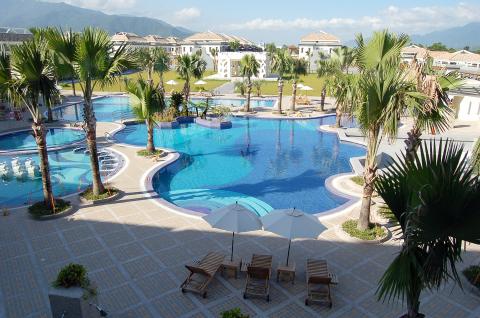
photo: Wang Hsiu-ting, Liberty Times
照片:自由時報記者王秀亭
Many consumers are guilty of filling drawers or closets with old laptops, cellphones, fitness trackers and other electronic devices once they are no longer needed. It’s hard to know where to recycle such items, or it seems costly and inconvenient to do so. The world generates millions of tons of electronic waste — also called e-waste — each year. According to the UN’s most recent estimate, people worldwide produced 62 million metric tons of e-waste in 2022, and only about 22 percent of it was properly recycled. The US’ Environmental Protection Agency estimates that less than a quarter of e-waste is
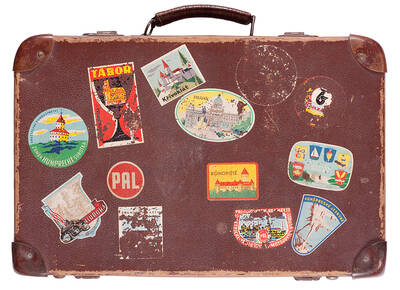
Travel fever is back, and it’s contagious. After years of being kept home during the COVID-19 pandemic, people are once again eager to explore the world. Rather than just book any trip, travelers are getting smarter about how they scratch that travel itch. Microcation Defined as four days or fewer and over 160km away from home, the microcation perfectly matches the post-pandemic mindset. After long periods of remaining indoors, people are making up for lost time by taking short, frequent getaways throughout the year. These brief trips avoid the work-life imbalance that comes with long absences. With only a few days away, one’s

You’re sitting in class when a classmate asks to borrow a pencil. It seems like a small favor, so you agree without hesitation. The following week, the same classmate asks to share your notes. Later, they request help with a group project. You agree each time — after all, you helped out the first time — but before you know it, it has become automatic. This scenario demonstrates the “foot-in-the-door technique,” a psychological concept that shows how agreeing to small, acceptable demands makes it easier to accept larger ones later on. The name for this strategy comes from door-to-door
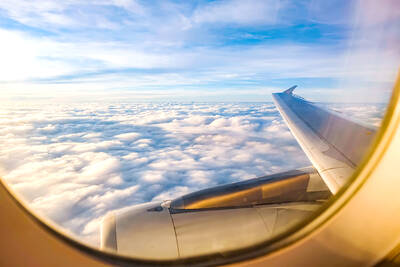
Continued from yesterday(延續自昨日) https://www.taipeitimes.com/News/lang Gig Tripping “Gig tripping” combines concerts with travel. People fly to see their favorite artists perform — usually abroad—and spend a few days sightseeing before or after the show. While die-hard fans have done this since the 1960s, the post-pandemic travel boom changed the game. Even people who aren’t superfans are now booking international concert trips because they want to make the most of travel opportunities. This trend exploded in the US, as the math makes sense. Domestic concert tickets are so costly that flying abroad for the show plus tourism expenses often matches or even beats the price


 RSS
RSS