


The Yen Clan Ancestral Hall of Benyuanliao in Greater Tainan’s Annan District has a rarely seen sculpture of Yen Hui, one of the original disciples of Confucius. The figure holds a book in one hand and a brush for writing calligraphy in the other. The god has been worshipped there for 20 years. After doing a survey throughout Taiwan, the Greater Tainan Yen Clan Association discovered that Yen Hui is only worshipped in Tainan and Keelung. In celebrating its 20th anniversary, the hall expanded its ancestor worship activities and included a celebration of the birth of Matsu, goddess of the sea.
Yen Guo-tsai, president of the Greater Tainan Yen Clan Association, says that Confucius’ disciple Yen Hui is an ancestor of the Yen clan, and that the Yen Clan Ancestral Hall of Benyuanliao, the Yen Clan Shrine in Greater Tainan’s Hsinying District, as well as the Yen Clan Association in Greater Kaohsiung’s Cieding District, all belong to the same clan. The Benyuanliao branch of the Yen clan has been around for more than 10 generations. Yen Guo-tsai is a ninth-generation Yen.
Yen says the hall was built in 1992 and there are three gods worshipped in all — Yen Hui, Matsu and the bodhisattva Ksitigarbha. When venerable elders were first preparing to build the ancestral hall, they were initially going to carve a sculpture of Yen Hui themselves, but eventually procured one and brought it back to the hall after discovering it, the last one available at a shop selling Buddhist religious objects at the time.
(Liberty Times, Translated by Kyle Jeffcoat)
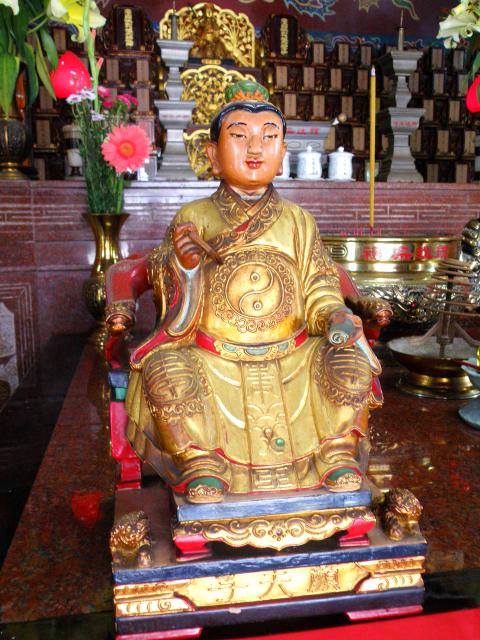
Photo: Tsai Wen-chu, Liberty Times
照片:自由時報記者蔡文居
台南市安南區本淵寮顏姓宗祠有一尊罕見的孔子門徒之一顏回的神尊,一手拿書、一手拿筆,供奉迄今已有二十年。台南顏姓宗親會遍查各地發現,目前僅基隆、台南兩地奉祀顏回神尊;今年適逢顏姓宗祠落成二十週年,於三月七日已擴大祭祖並為媽祖祝壽。
台南市顏姓宗親會理事長顏國在表示,顏姓宗親以孔子的弟子顏回為祖先,本淵寮顏姓宗祠與台南新營顏氏家廟、高雄茄萣顏姓宗親均屬同宗,本淵寮這一支祖先已繁衍十餘代,他是第九代。
他說,顏姓宗祠於一九九二年落成,除顏回外,也奉祀隨祖先渡海來台的媽祖神尊,並新奉祀地藏王菩薩共三尊。當時耆老籌建宗祠時,想雕刻一尊顏回神尊奉祀,到佛具店探詢,發現店內已有一尊,直接請回奉祀迄今。
(自由時報記者蔡文居)
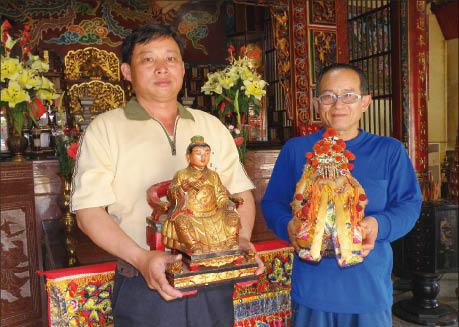
Photo: Tsai Wen-chu, Liberty Times
照片: 自由時報記者蔡文居

Photo: Tsai Wen-chu, Liberty Times
照片:自由時報記者蔡文居

A: This year’s two most anticipated films have finally hit theaters in Taiwan. “Michael” premiered last Wednesday, while “The Devil Wears Prada 2” premiered this Wednesday ahead of its global release. B: Isn’t “Michael” the biopic about the late King of Pop Michael Jackson? A: Yup, it tells the story of Michael’s legendary life, from child star to global icon. And the role is in fact played by his nephew, Jaafar Jackson. B: Michael caused a sensation when touring Taiwan twice in 1993 and 1996. His classic hits, dance moves and music videos reshaped global pop culture at that time. A: I’m gonna
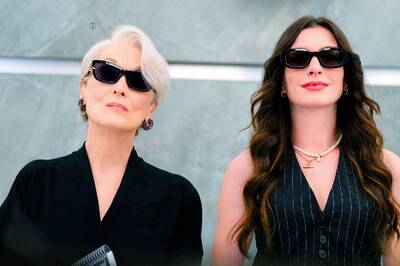
A: In addition to the biopic “Michael,” comedy “The Devil Wears Prada 2” is finally in theaters. I can’t believe it’s been 20 years since the 2006 debut of the original film. B: Does the sequel still revolve around the fashion industry? A: This time, “Miranda,” the fashion magazine editor-in-chief played by Meryl Streep, will team up with her former assistant “Andy,” played by Anne Hathaway, to fight against Emily, her other ex-assistant played by Emily Blunt. B: Isn’t the role of “Miranda” based on then US “Vogue” editor-in-chief Anna Wintour? A: Yup, it established Anna’s fashion status, influenced pop culture
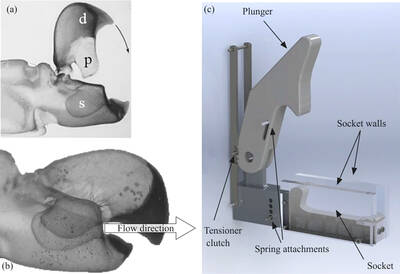
Few sea creatures of their size have as much destructive power as pistol shrimp. These small animals, usually measuring around four centimeters long, produce shock waves that can stun or even kill their prey. The attack begins when the shrimp opens its specialized claw, allowing water to fill a chamber inside. Then the claw closes rapidly. A bump on the claw strikes the chamber, forcing the trapped water out through a narrow opening at a high speed of about 25 meters per second. The rapid movement forms a bubble in the water that collapses almost instantly under the pressure of the
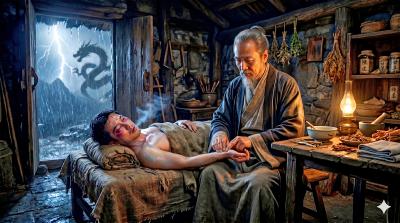
★ Bilingual Story is a fictionalized account. 雙語故事部分內容純屬虛構。 Rain hammered the roof in hard, uneven bursts. “Hold him still!” Baosheng pressed one hand against the stranger’s brow as the man twisted on the wooden bed. His left eye was swollen shut. The right one burned red like a coal. “It feels like fire,” the man gasped. “Like something is clawing inside.” Thunder rolled across the mountain. Baosheng leaned closer. The man’s skin was cold, but heat rose from his face. A strange smell hung in the air. He began the four methods of diagnosis: looking, listening/smelling,


 RSS
RSS