


It is the kind of question that keeps biologists up at night: from an evolutionary standpoint, is the innermost digit of a bird’s three-pronged wing more like a thumb or an index finger?
A study published online on Sept. 4 by Nature says it is a bit of both.
The stem cells in birds that normally produce the first digit die off during early stages of embryonic development, it found, while cells programmed to manufacture the index unit give rise instead to a thumb-like appendage.
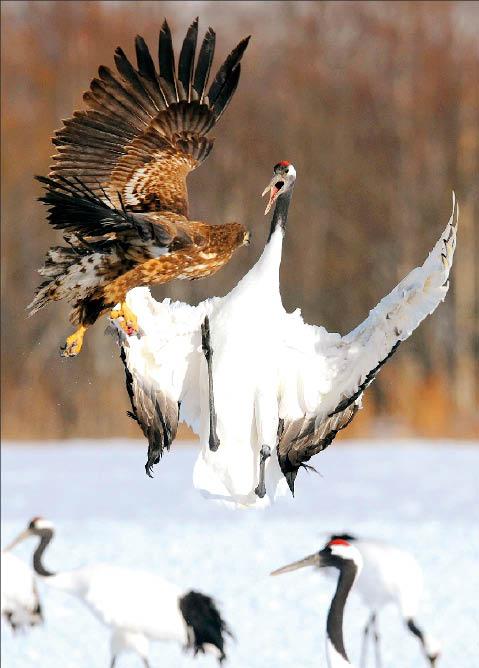
Photo: EPA
照片:歐新社
Member No. 2, in other words, has undergone a shift in digital identity.
All four-legged animals with backbones — vertebrates — share an ancient template of five digits per limb. But that has not kept evolution from generating a numerically diverse menagerie for grasping, clawing and walking.
Human and primate hands and feet normally have five fingers or toes each; birds have three in their wings and two, three or four digits on their feet; two-toed sloths speak for themselves.
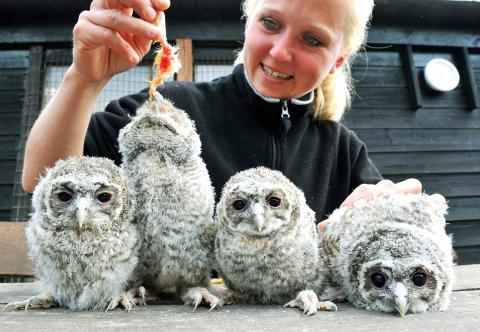
Photo: AFP
照片:法新社
Snakes shed their limbs entirely, while Pandas have five clawed fingers and a sixth big toe-like appendage, the better to grasp bamboo stalks while dining.
In general, it is easier to lose a trait through evolution than to gain one.
Fueled by conflicting evidence, debate has flourished for more than a century as to whether the tripart scaffolding of a bird wing corresponds to the thumb, index and middle finger, or to the index, middle and ring fingers.
Paleontological research tracing birds back to the theropod dinosaurs that roamed Earth two hundred million years ago favored the “one-two-three” hypothesis.
Clues derived from the study of embryo development, however, suggested the “two-three-four” scenario was more likely.
Working with chickens, researchers from Yale University led by Gunter Wagner used a technique called gene expression profiling to solve the digital mystery.
They showed that the first digits of chick wings and feet both arise from the same genetic coding, but that, in the wing, the digit develops from the position in the embryo normally reserved for the index.
The study also uncovered a new mystery: a lack of correspondence, or homology, between the other two digits buried in the bird wing and those found in the foot.
In biology, homology is a fundamental similarity — across species or, in this case, within the same organism — based on common descent or developmental origin.
“We want to find out how they acquired a unique identity,” Wagner said.
(AFP)
生物學家徹夜難眠,就為了思考一個問題:從演化的角度來看,鳥兒翅膀三分叉鳥爪的最內側那根,究竟較像拇指還是食指呢?
一篇九月四日刊登於《自然》期刊網路版的研究報告指出,它兩指兼具。
該報告發現,製造鳥兒第一根指頭的幹細胞,通常在胚胎發展最初的幾個階段即死去,生長食指的幹細胞則接著製造食指,而非類拇指的附屬指頭。
也就是說,二號成員已歷經一個指頭演化定位的轉移。
所有四腳有脊椎骨的動物─脊椎動物─自古以來四肢各別都有五根指頭。但演化並未局限於此,反而產出指頭數目不一的多樣化動物圈,方便進行握、抓與走等動作。
人類與靈長類手腳通常各有五根手指或腳趾;鳥類羽翼有三爪,腳則有二、三或四爪;二趾樹懶就是個實例。
蛇完全沒有四肢;熊貓有五爪手指,以及第六根類似大腳趾狀的附屬趾頭,這讓牠們在吃東西時,更容易抓住竹莖。
總的來說,演化過程中,一個特徵的消失比增加來得容易。
這些相互矛盾的證據,導致科學家超過一個世紀以來還是爭論不休,鳥類羽翼的三爪架構,到底是「拇指、食指與中指」,還是「食指、中指與無名指」。
古生物學家藉由回溯兩億年前,在地球上漫遊的獸腳類恐龍,研究推論鳥類的三爪較可能為「一二三」假設(意即拇指、食指與中指)。
然而,從胚胎發展研究得到的方向卻認為「二三四」組合(意即食指、中指與無名指)的可能性較高。
耶魯大學研究員甘特‧瓦格納領導的研究團隊用小雞作為研究對象,運用一種稱為基因表現模組技術,解答指頭謎團。
他們發現,雞翅膀和腳爪的第一趾,皆源自同一個基因碼,不過發展出翅膀第一趾的胚胎位置,通常認定為食指。
這個研究也破解一個新的謎團:隱藏在鳥類羽翼與在腳上發現的另外兩指之間,缺乏一致性,或稱同源性。
同源性在生物學中,是指一種依據共同遺傳與發展的根源,所呈現出根本的相似性─包含各類物種,或是在鳥的例子中,指的是相同的生物。
瓦格納說:「我們要找的是牠們如何得到一個特有的身體構造。」
(法新社/翻譯:林亞蒂)

A: Brazilian jiu-jitsu, known as “BJJ,” has become more and more popular. Even Hollywood stars like Halle Berry and Tom Hardy are obsessed with it. B: Some Asian stars, such as Taiwanese actor Eddie Peng and South Korean actor Lee Joon-gi, have also practiced this martial art. A: BJJ is not just a martial art, but also a combat sport. B: I’ve always wanted to try it, but I’m worried about getting injured. A: Diana Wang, a US doctor of physical therapy, is holding a BJJ seminar at PMA Brazilian Jiu-jitsu in Taipei Friday night. Let’s go check out how we

Picture a 45-foot-long animal with a 5-foot-long skull and 3-foot-long arms. It may not seem strange until you realize that a human with those proportions would be 6 feet tall with 5-inch arms. Although the Tyrannosaurus rex went extinct 65 million years ago, the mystery of its unusual body __1__ has fascinated scientists for over a century. Barnum Brown, the paleontologist who first discovered T. rex fossils, initially found it hard to believe that the tiny arms belonged to such a __2__ creature. One of his colleagues speculated that the short forelimbs might have been used to hold the
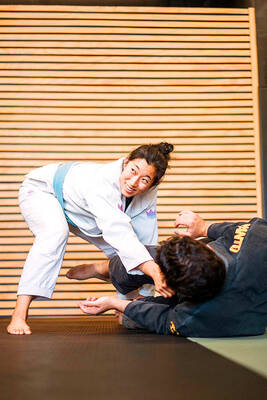
A: Actually, Brazilian jiu-jitsu is particularly good for small people like you. B: Really? How so? A: According to Diana Wang, a US doctor of physical therapy, the BJJ’s purpose is to help smaller, weaker people defend themselves by using various techniques, such as leverage. B: That sounds interesting. What time does Dr Wang’s BJJ seminar begin tonight? A: The event is scheduled for 7:30pm at PMA Brazilian Jiu-jitsu in Taipei. Admission is free, but donations are welcome. A: 其實你的個子比較小,很適合練巴西柔術呢。 B: 真的嗎?為什麼? A: 據美國理療醫師王幼瑞博士說,巴西柔術的概念是讓弱小的人,也能利用槓桿作用等技巧防身。 B: 真有趣,王醫師的巴柔研討會幾點開始? A: 今晚7點半在「台北巴柔運動館」,免費入場自由樂捐唷! (By Eddy Chang, Taipei Times/台北時報張迪)
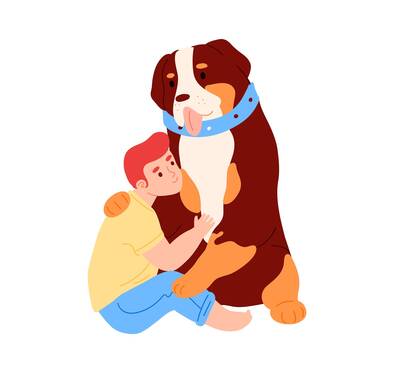
Dogs’ noses are incredibly keen. They can even detect changes in cortisol levels in human sweat and breath. Known as the “stress hormone,” cortisol increases when humans are under pressure. Recent research indicates that the smell of human stress can influence a dog’s behavior and emotions. In the study, human volunteers were exposed to the stressful tasks of preparing and delivering a speech on the spot and then solving math problems. __1__ Researchers collected sweat and breath samples from the volunteers on pieces of cloth during both their stressful and restful states. Meanwhile, other researchers worked with 18


 RSS
RSS