


The US Post Office has made a drastic mistake on a stamp honoring an icon of America, the Statue of Liberty.
It turns out that a first-class mail stamp featuring Miss Liberty is based on a photo of a replica of the statue at a casino in Las Vegas, Nevada.
Postal Service spokesman Roy Betts said three billion stamps have been printed, and they will not be pulled from the market. The 44-cent (about NT$13) forever stamp has been on sale in coils since December last year and is to be released in booklet form.
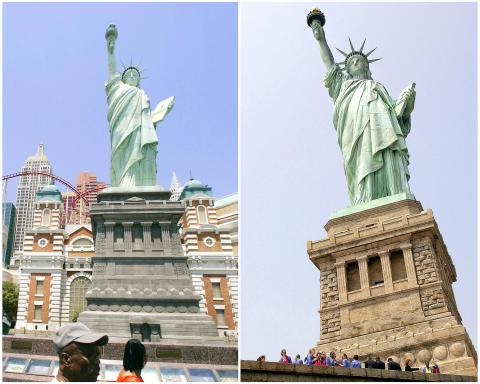
Photo: Reuters
照片:路透
The actual Statue of Liberty has appeared on more than 20 stamps previously, Betts said.The mistake was first reported by Linn’s Stamp News.
In the Post Office’s news release in December last year announcing the stamp, the service said the Statue of Liberty was shown in a close-up photograph of her head and crown.
Linn’s, a weekly magazine for stamp collectors, noted that the stamp shows a rectangular patch on the crown of the statue. Such a patch does not appear on the statue in New York Harbor that has welcomed millions of immigrants to their new home.
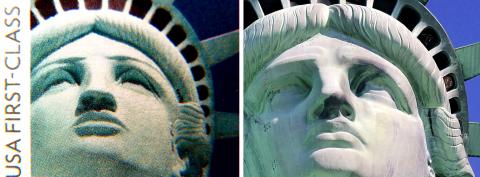
Photo: AFP
照片:法新社
In addition, the magazine said, the eyes, eyelids and eyebrows on the replica appeared more sharply defined than on the original statue, and the hair was different.
(AP)
美國郵政總局發行印有美國重要象徵自由女神像的郵票上,犯下了天大的錯誤。
原來應該是自由女神圖案的第一類郵票,被發現郵票上的圖案,竟是內華達州拉斯維加斯一間賭場外,自由女神複製像的照片。
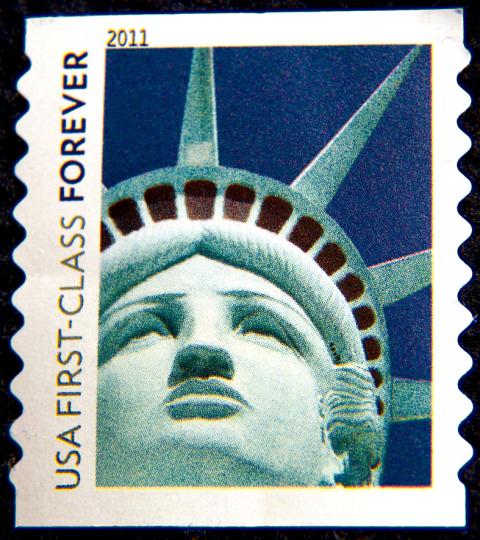
Photo: AFP
照片:法新社
郵政總局發言人洛伊‧貝茲說,這枚郵票已印製多達三十億枚,印錯的郵票不會下市。面值美金四十四分(約新台幣十三元)製成盤卷式的郵票已於去年十二月開始銷售,而且其小本票(或稱郵票小冊)也將發行。
貝茲說,自由女神像的郵票,過去已發行了超過二十種。《林氏郵票新聞》率先報導這個錯誤。
郵政總局在去年十二月的新聞稿宣布,這枚(新的)自由女神像郵票僅呈現女神頭部與頭冠特寫。
集郵者週刊《林氏》發現,郵票上自由女神像的頭冠有塊矩形補丁,而矗立在紐約港歡迎上百萬移民人士的正牌女神像則沒有。
另外,這份週刊說,贗品的眼睛、眼瞼與眉毛輪廓,比正版女神像深,而且頭髮也不太一樣。
(美聯社/翻譯:林亞蒂)
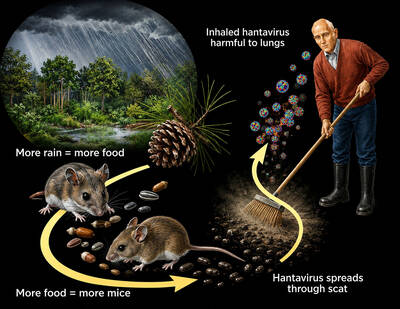
An outbreak aboard a cruise ship of a rare rodent-borne illness called hantavirus has left three passengers dead and sickened others, but global health officials say the risk to the general public remains low because the germ does not easily spread between people. “This is not the next COVID, but it is a serious infectious disease,” said Maria Van Kerkhove, director of epidemic and pandemic preparedness at the World Health Organization (WHO). “Most people will never be exposed to this.” The virus usually spreads when people inhale contaminated residue of rodent droppings. Hantaviruses have been around for centuries and are thought to
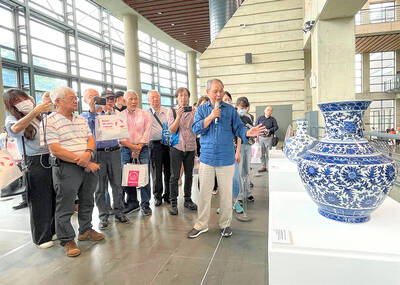
A: Apart from the Danjiang Bridge in New Taipei City, the MRT Sanying Line (Light Blue Line) will open in June. B: Is that the new line leading to Yingge District, the ceramic town? A: Yup, the line will connect the Yingge Ceramics Museum and the Old Streets in Sanxia and Yingge Districts. B: The eastward extension of the Tamsui-Xinyi Line (Red Line) that goes through Taipei’s Xinyi District will also open in June. A: Plus, Taoyuan’s Aerotropolis Line (Green Line) will partially open by the end of the year. In the future, it will connect the

1. 他病了三天。 ˇ He has been sick for three days. χ He has been sick since three days. 註︰這裡現在完成時態 have / has been 表示從過去某一時日到現在的一段時間存在的行為或狀態,與它連用的時間副詞應為 「for +若干時」,如 for a year, for three hours 等,意思是歷時多少。 2. 他自從星期三以來都很忙。 ˇ He has been busy since Wednesday. χ He has been busy from Wednesday. 註︰「自從……以來」,該用 since。說從某一天(某一時刻)到某一天(某一時刻)才用 from,如 from Monday till Friday。 3. 房間角落裡散放著一些零星物件。 ˇ There were some odds and ends lying in the corner of the room. χ There were some odds and ends lying at the corner of the room. 註︰「在房間角落裡」該用介詞 in。例如: He stood in the corner. There is a lamp in the corner of the room. at the corner 指房子外部的拐角。例如: A little boy
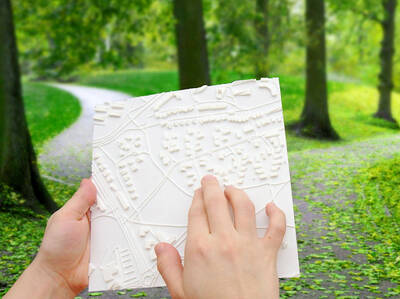
Have you ever wondered how people navigate the world when they can’t see a map? For individuals with visual impairments, conventional maps are nearly impossible to use. This is where tactile maps come in — essential tools that allow people to “see” the world through touch. A tactile map is specially designed with raised lines, textures, and symbols to represent geographical features such as roads, rivers, and buildings. Users explore it with their fingertips. However, these maps are not exclusively for people with visual disabilities. They serve as valuable multisensory learning tools that enhance spatial understanding for everyone, making


 RSS
RSS