


We have signs of very great changes occurring on the planet. Everything has happened so fast. Creeks are drying up that have never dried up in a lifetime. We’ve got a forest that’s already on the edge of disappearing. We’re going into uncharted territory. Our planet is at a crossroads. Global warming isn’t out of control, but it soon could be. The warning signs are all around us. This is the challenge of climate change: What can we do about global warming? What will happen to the Earth if we don’t? The temperature is rising and each degree is critical. A 6°C increase is almost unimaginable.
我們已經看見地球出現巨變的跡象,事情發生得非常快。這一代從未乾涸的溪流正在枯涸森林面臨消失威脅。我們開始走入未知的領域,地球正面對轉捩點。全球暖化尚未失控,但可能很快就一發不可收拾,身邊四處可見警告跡象,這是氣候變遷帶來的挑戰:我們該如何減緩全球暖化?如果不著手處理,地球會有什麼下場?氣溫正在升高,每上升一度都有嚴重影響。氣溫升高六度的後果不堪設想。
Imagine what the 21st century will be like if global warming accelerates. Where will the next super-storm hit? The next scorching heat wave? As the world warms degree by degree, where will the next catastrophe hit? The debate has ended. Scientists around the globe agree we now live in a world warmer by almost 1°C. An armada tracks the earth’s vital signs, with thousands of ships at sea. Meanwhile, there are tens of thousands of stations on land, and satellites monitor from space. Scientists feed the data into the most advanced computer models to calculate what it means for our future. The predictions are alarming.
想像全球暖化加劇的二十一世紀,下一場超級風暴將襲擊何處?下一場炙人熱浪呢?隨著全球均溫逐步上升,一場重大天災又將侵襲何處?爭論已經落幕,全球科學家一致指出,全球均溫已升高近攝氏一度,全世界嚴陣以待,追蹤地球的生命跡象。海上有數千船隻,陸上有數萬監測站,還有衛星從太空監控。科學家將資料輸入最先進的電腦模型,估算地球可能面對的未來,預測結果令人擔憂。
In four decades, glaciers in the Himalayas — the source of water for millions — could be gone. Within 50 years, the melting of Greenland’s ice sheet could be unstoppable. By the end of this century, the Amazon rainforest — home to half the world’s biodiversity — could wither to an arid savannah. We’re on the brink of living in a world 1°C warmer, hotter than it’s been in thousands of years. A temperature rise between 1°C and 6°C is possible over the next century. Each degree means a radically different future. In some parts of the world, the first signs of global warming may be arriving with a vengeance. In Australia, bush fires are a natural part of the ecosystem, especially in drought years. But climate change may be pushing conditions from bad to worse. Australia’s east coast is a tinderbox. In the winter of 2001, more than 900 fires encircled Sydney. They called it Black Christmas.
四十年後,數百萬人仰賴的水源──喜馬拉雅山區的冰河,可能消失。五十年內,格陵蘭冰層可能全部融化。本世紀末,擁有地球半數生物多樣性的亞馬遜雨林,可能變成乾枯的熱帶草原。全球均溫正處於升高近一度的邊緣,超越數千年來的紀錄。未來一百年間,氣溫有可能升高一到六度。每升高一度都將讓地球的未來出現劇烈變化。在部分地區,全球暖化的最初跡象或許已經大張旗鼓展現。野火是澳洲生態系統中自然的環節,在旱年火勢尤熾。但氣候變遷或許讓情況愈下。澳洲東岸成為一觸即發的火場。二00一年冬季,雪梨周圍發生九百多起野火,澳洲人稱之為「黑色聖誕節」。
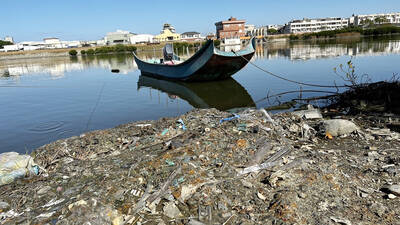
Many consumers are guilty of filling drawers or closets with old laptops, cellphones, fitness trackers and other electronic devices once they are no longer needed. It’s hard to know where to recycle such items, or it seems costly and inconvenient to do so. The world generates millions of tons of electronic waste — also called e-waste — each year. According to the UN’s most recent estimate, people worldwide produced 62 million metric tons of e-waste in 2022, and only about 22 percent of it was properly recycled. The US’ Environmental Protection Agency estimates that less than a quarter of e-waste is
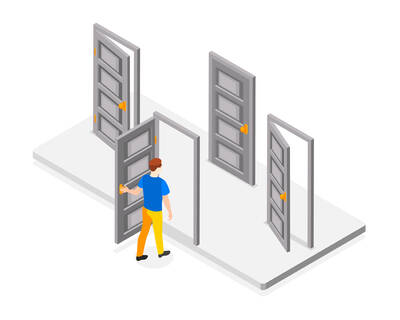
You’re sitting in class when a classmate asks to borrow a pencil. It seems like a small favor, so you agree without hesitation. The following week, the same classmate asks to share your notes. Later, they request help with a group project. You agree each time — after all, you helped out the first time — but before you know it, it has become automatic. This scenario demonstrates the “foot-in-the-door technique,” a psychological concept that shows how agreeing to small, acceptable demands makes it easier to accept larger ones later on. The name for this strategy comes from door-to-door

A: The four-day Tomb Sweeping Day long weekend begins Friday and will run until Monday. Are you going to sweep your ancestors’ tombs? B: I did in advance last weekend, so I can go to Kaohsiung to see the musical “The Phantom of the Opera.” A: Wow, is “Phantom” touring Taiwan again? It debuted in 1986, so this year marks the 40th anniversary of the show. B: And it’s not just touring Kaohsiung starting March 31, but also Taipei starting April 21 and Taichung starting May 26. A: “Phantom” is one of the world’s Four Major Musicals. I’ve seen all of them, except “Les

Dos & Don’ts — 想想看,這句話英語該怎麼說? 1. 我們很早到達電影院。 ˇ We arrived at the theater very early. χ We arrived the theater very early. 註︰arrive 為不及物動詞,後面如果有受詞要用 at 或 in。例如:They arrived in Taipei yesterday.。一般大地方,如國家、省、大城市等前面用 in,凡小地方城鎮、學校等則用 at。 2. 開車半小時以後,我們到達了海灘。 ˇ After half an hour’s drive, we got to the beach. χ After half an hour’s drive, we got the beach. 註︰come, go, get(來、去、到達)某地時,在表示地點的名詞前面應該用 to,如 go to school, go to Taipei, come to Shanghai 等。如果這些動詞後面所跟的是 here, there, home 等副詞,則不用 to。 3. 明天我會回辦公室。 ˇ I will be back in the office tomorrow. χ I will be back to office tomorrow. 註︰to be back 一語裡的 back 是副詞,不是介詞,所以後面要用 at (the market) 或 in (the office)。 假如假期結束,要回學校上課了則可說: ? Kids will be back


 RSS
RSS