


A cold surge that has gripped Taiwan over the weekend would weaken today, with temperatures rising through tomorrow before another cold front takes hold from Wednesday to Sunday, the Central Weather Bureau said yesterday.
The lowest temperature recorded yesterday in low-lying areas on Taiwan proper was 5.7°C at Cape Fuguei (富貴角) in New Taipei City’s Shimen District (石門), followed by 9°C at the Taipei weather station, the bureau said.
The temperature on Hehuanshan (合歡山) in Nantou County dropped to minus-1.3°C at about 3am, the bureau said.
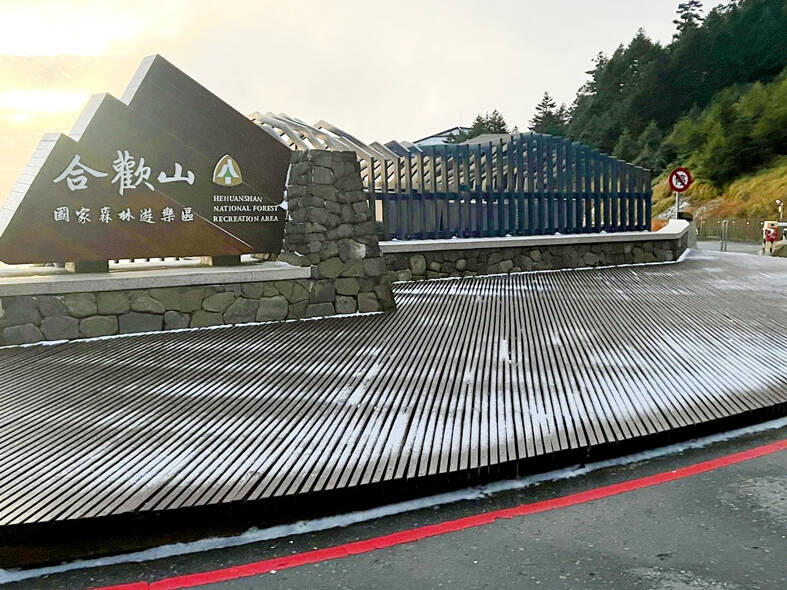
Photo: CNA
The low temperature, coupled with abundant moisture, resulted in about a 10-minute snowfall on Wuling (武嶺) peak, which is 3,275m above sea level, it added.
Some people had camped on the peak overnight to see snowfall, as it is a rare occurrence in Taiwan.
The current cold surge would peak early this morning, while stable weather with clear skies is expected across Taiwan, said Daniel Wu (吳德榮), a former bureau Weather Forecast Center director who is now an adjunct associate professor of atmospheric sciences at National Central University.
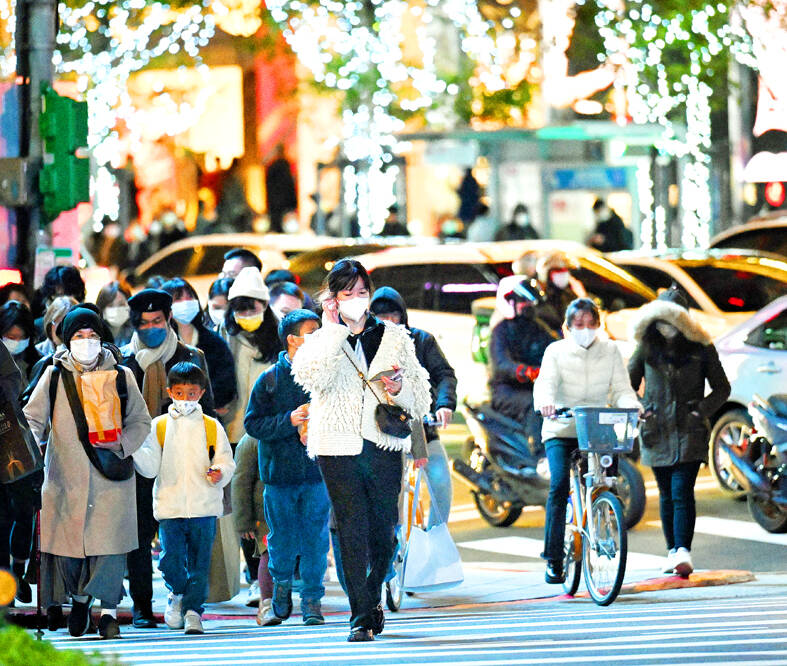
Photo: Fang Pin-chao, Taipei Times
Beginning today, the cold air would gradually dissipate, he said, adding that from Wednesday to Sunday, another cold wave is expected to take hold, although it would be weaker than the current one.
Temperatures in low-lying areas during early morning hours could hover below 10°C, Wu said.
On Friday and Saturday, 121 out-of-hospital cardiac arrest cases were reported across Taiwan, but it was unclear whether they were cuased by the cold snap, emergency officials said.
However, they called on the public, particularly those with heart disease, to stay warm and be aware of the increased risk of cardiovascular events during cold weather.

‘UNFRIENDLY’: Changing the nationality listing of Taiwanese residents to ‘China’ goes against EU foreign policy as well as democratic and human rights principles, MOFA said Taiwan yesterday called on Denmark to correct its designation of the nationality of Taiwanese residents as “China” or face retaliatory measures. The Danish government in 2024 changed the nationality of Taiwanese citizens on their residence permits from “Taiwan” to “China.” The decision goes against EU foreign policy and contravenes democratic and human rights principles, Ministry of Foreign Affairs (MOFA) spokesman Hsiao Kuang-wei (蕭光偉) said. Denmark should present a solution acceptable to Taiwan as soon as possible and correct the erroneous designation to preserve the longstanding friendship between the two nations, Hsiao said. The issue could damage Denmark’s image and business reputation in Taiwan,

KEY INDUSTRY: The vice premier discussed a plan to create a non-red drone supply chain by next year, which has been allocated a budget of more than NT$7.2 billion The government has budgeted NT$44.2 billion (US$1.38 billion) to cultivate Taiwan’s uncrewed aerial vehicle (UAV) industry over the next five years, which would make the nation a major player in the industry’s democratic supply chain in the Asia-Pacific region, Premier Cho Jung-tai (卓榮泰) said yesterday. Cho made the remarks during a visit to the facilities of Cub Elecparts Inc (為升電裝). Democratic Progressive Party (DPP) Legislator Chen Su-yueh (陳素月) and Chinese Nationalist Party (KMT) Legislator Hsieh Yi-fong (謝依鳳) also participated in the trip. Cub Elecparts has transitioned from the automotive industry to the defense industry, which is the top priority among the nation’s
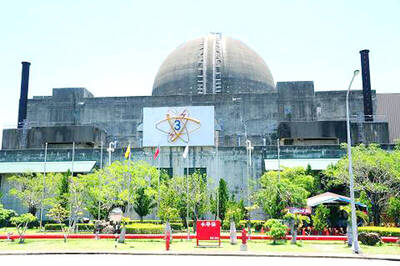
SUFFICIENT: The president said Taiwan has enough oil for next month, with reserves covering more than 100 days and natural gas enough for 12 to 14 days A restart plan for the Guosheng Nuclear Power Plant in New Taipei City’s Wanli District (萬里) and the Ma-anshan Nuclear Power Plant in Pingtung County’s Hengchun Township (恆春) would be submitted to the Nuclear Safety Commission by the end of the month, President William Lai (賴清德) said yesterday, reversing the government’s policy to abolish nuclear energy. On May 17 last year, Taiwan shut down its last nuclear reactor and became the first non-nuclear nation in East Asia, fulfilling the Democratic Progressive Party (DPP) government’s pledge of a “nuclear-free homeland.” Even without nuclear power, Taiwan can maintain a stable electricity supply until 2032,
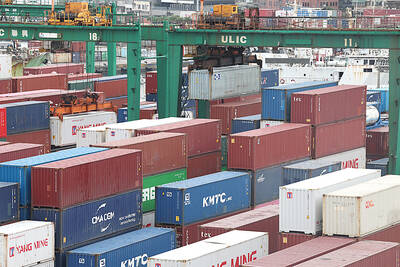
Taiwan climbed to its highest position in global export rankings in more than three decades last year, buoyed by demand linked to artificial intelligence (AI) that lifted shipments of semiconductors and technology products, Ministry of Finance data released yesterday showed. Taiwan accounted for 2.4 percent of global exports last year, or about US$640 billion, ranking 12th worldwide, the data showed. That was up four places from a year earlier and marked the nation’s best ranking since 1994, the ministry said. Taiwan’s share of global exports rose by 0.5 percentage points from the previous year, the largest increase among major economies, reflecting the nation’s


 RSS
RSS