


Influenced by the conflict in the Middle East, the prices of some raw materials have surged. The cost of petrochemical products, such as gasoline and plastics, has risen sharply, leading not only to higher prices for everyday plastic packaging materials, but also potential shortages.
For example, the packaging for white rice has doubled, with the unit price of a 3kg vacuum-sealed bag rising to NT$8 from NT$4. As a result, manufacturers have indicated that the retail prices of white rice might be raised accordingly.
Such reasons for price hikes might seem reasonable at first glance and consumers might be willing to accept them. However, what is concerning is the possibility that businesses might take advantage of the situation to raise prices excessively.
From a cost-analysis perspective, a 3kg bag of packaged white rice averages about NT$250, with slight variations depending on the grade of rice. The cost of the vacuum-sealed packaging accounts for only about 1 to 2 percent of the retail price. In other words, even if the price of the packaging doubles, a reasonable increase in the price of the entire back of rice should only be about NT$5 — which would likely be acceptable to consumers.
However, businesses might deliberately mislead consumers by claiming that because packaging costs have doubled, the retail price of the entire bag of rice must rise by a similar proportion, despite the cost of the rice itself not changing.
If this is the case for white rice, other everyday goods — including food and beverage items — would likely also increase in price.
Add that to gasoline prices rising by more than NT$3 for two consecutive weeks and it is likely to drive up the consumer price index, significantly straining household budgets.
The Fair Trade Commission should pay close attention to developments to prevent price gouging.
It is common for small restaurants and bakeries to increase prices in increments of NT$5 or NT$10, with increases often exceeding 10 percent.
However, the cost of the plastic bags used for takeout account for an extremely small share of the total and do not justify price hikes.
Price increases driven by external, objective factors are understandable, but their extent must adhere to the principle of proportionality. A reasonable adjustment should be based on the proportion of packaging costs within the product’s total cost, using that share to estimate an appropriate increase.
Chen Wen-ching works in environmental services.
Translated by Kyra Gustavsen
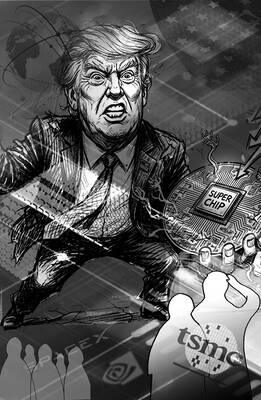
The White House’s decision to take a 9.9 percent stake in Intel Corp is looking like very shrewd business indeed. Since the government bought in at US$20.47 a share last August, the US chipmaker’s surging stock price has delivered the US a US$43 billion return. One of the reasons the investment has so far proved so sound is that the White House has made sure of it. According to The Wall Street Journal, Howard personally pushed deals on Intel’s behalf with some of the most lucrative clients imaginable. They include Nvidia Corp, the company at the heart of the AI
KMT Chairwoman Cheng Li-wun’s (鄭麗文) recent visit to Beijing and her upcoming visit to Washington will serve as a high-level test of her diplomatic mettle. In Beijing, Cheng was received with symbolic gestures, a warm reception, and high-level access. In Washington, she will receive far less pomp and far sharper questions about the KMT’s vision for the future of Taiwan. Her challenge will be to persuade Washington that the KMT’s engagement with China can coexist with strong deterrence. Cheng’s April 7-12 visit to mainland China coincided with an intense period of conflict in Iran. Despite the strategic significance of Cheng’s trip,
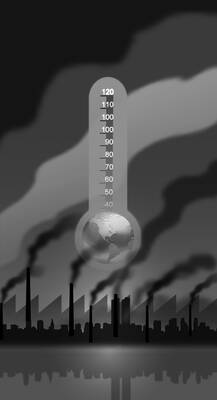
The closure of the Strait of Hormuz has sent the vast Asian chemicals industry into a tailspin. Deprived of the likes of Qatari natural gas and Saudi Arabian oil, the region’s fertilizer and plastics plants are slowing production or even shutting down. Everywhere except China, that is. In petrochemicals, China is unique. As well as a traditional industry that uses oil and gas as feedstock, it has parallel output that relies on its abundant domestic coal. Unsurprisingly, India and other regional powers want to copy and paste the Chinese method. This would not be easy — or climate friendly. The
Indonesian President Prabowo Subianto says he knows how to fix the problems facing Indonesia. Yet his economic mismanagement and authoritarian tendencies are steering the nation toward a familiar mix of currency instability and political chaos. The world’s fourth-most populous nation risks reversing the hard-won democratic and business reforms that came after the Asian Financial Crisis in 1997. At that time, the rupiah collapsed and the political upheaval that followed forced former president Haji Mohamed Suharto from power. Prabowo’s administration is ignoring similar warning signs. That disconnect was apparent in a national address on Wednesday, when Prabowo projected the swagger that has


 RSS
RSS