


A bipartisan pair of US senators on Monday urged US President Donald Trump’s administration to tighten rules on chip contract manufacturers such as Taiwan Semiconductor Manufacturing Co (TSMC, 台積電) to prevent them from making advanced artificial intelligence (AI) chips for overseas subsidiaries of Chinese companies.
This comes after the Trump administration last week moved to halt a potential loophole that might have led companies to export advanced chips such as those made by Nvidia Corp to subsidiaries of Chinese companies outside China.
The Bureau of Industry and Security (BIS), the division of the US Department of Commerce that oversees export control laws, has said that sales to Chinese company subsidiaries in third countries such as Malaysia require a license.
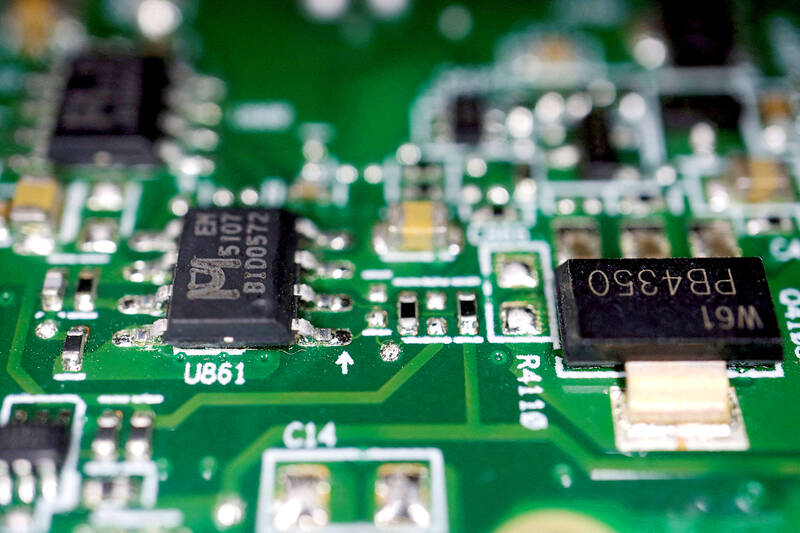
Photo: Reuters
Experts such as former US Department of State official Chris McGuire said last week that the guidance still did not address another potential loophole, under which front companies for Chinese firms could order custom chips to be made by chip contract manufacturers such as TSMC.
On Monday, Republican Senator Jim Banks and Democrat Senator Andy Kim sent a letter to BIS director Jeffrey Kessler asking the BIS to directly address the issue of subsidiaries of Chinese firms ordering custom chips.
“Should this gap remain unaddressed, it would substantially undermine every other restriction the United States has imposed on [China’s] access to advanced computing capability,” the senators wrote. “Export controls that can be circumvented through fabrication orders placed at the world’s most advanced foundry offer no meaningful protection to American national security or to the competitiveness of United States industry.”
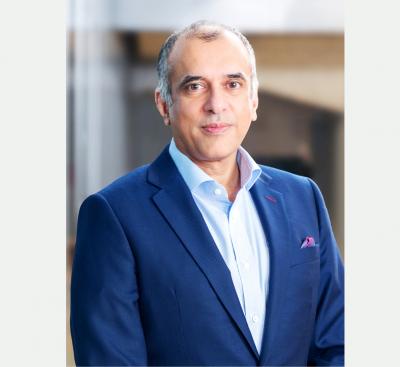
HSBC Holdings PLC is deepening its commitment to Taiwan as the economy emerges as one of the bank’s fastest-growing markets globally, driven by an artificial intelligence (AI) investment boom, expanding cross-border trade, and rising wealth creation. “The advantage that Taiwan has is a growth story linked to the semiconductor and broader AI industries, strong underlying corporate performance, and wealth creation,” said Surendra Rosha, HSBC’s co-chief executive for Asia and the Middle East, in an exclusive interview with the Taipei Times on June 2, during this year’s HSBC Taiwan Conference. That combination has helped HSBC cement its position as the most profitable international
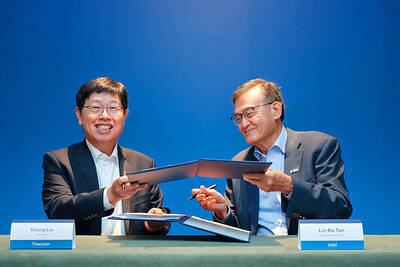
Hon Hai Precision Industry Co (鴻海精密) yesterday said it would work with US chipmaker Intel Corp to jointly develop and deploy next-generation artificial intelligence (AI) infrastructure and intelligent computing platforms in a move to capture booming demand for AI computing systems. Hon Hai, also known as Foxconn Technology Group (富士康), said in a statement that the partnership would combine its global manufacturing scale, system integration expertise and AI data center deployment capabilities with Intel’s strengths in processor architecture, silicon technologies and software ecosystem. The companies said they plan to work on equipment used in AI data centers, including server racks powered by
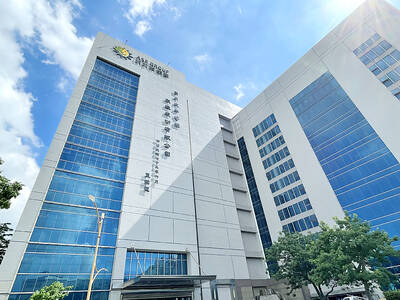
The average pay to employees by ASE Technology Holding Co (日月光投控) was the highest among the companies listed on the local main board last year, while contract chipmaker Taiwan Semiconductor Manufacturing Co (TSMC, 台積電) ranked seventh, the Taiwan Stock Exchange (TWSE) said on Monday. Data compiled by the exchange showed ASE Technology, the world’s largest chip packaging and testing services provider, paid its employees an average of NT$6.28 million (US$199,746) last year, up 40 percent from a year earlier. TSMC, the world’s largest contract chipmaker and the most profitable company in Taiwan, paid its employees NT$4.09 million on average, up
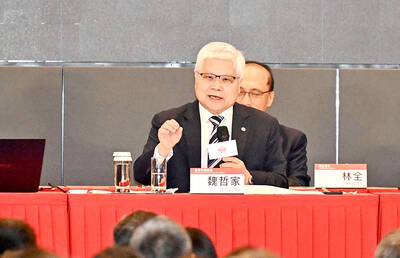
‘INSANE YEAR’: C.C. Wei said he is confident that Taiwan’s AI supply chain would fend off foreign competition, dismissing concerns South Korea would take over Taiwan Semiconductor Manufacturing Co (TSMC, 台積電) yesterday said an explosive demand for artificial intelligence (AI) chips has led to pervasive supply constraints and it is accelerating capacity expansions to avert bottlenecks. “We are trying not to become the bottleneck. Supply is a little bit tight as customer demand has outstripped what we can supply,” TSMC chairman and chief executive officer C.C. Wei (魏哲家) told a news conference after the company’s annual general meeting in Hsinchu City. “Customers have shown incredibly strong demand in recent years. The growth is insane this year, in particular,” Wei said. TSMC is also facing short supply of


 RSS
RSS