


Micron Technology Inc unveiled a newly acquired chip plant in Miaoli County yesterday, as the company expands capacity to meet growing demand for advanced DRAM chips, including high-bandwidth memory chips amid the artificial intelligence boom.
The plant in Miaoli County’s Tongluo Township (銅鑼), which Micron acquired from Powerchip Semiconductor Manufacturing Corp (力積電) for US$1.8 billion, is expected to make a sizeable capacity contribution to the company from fiscal 2028, the company said in a statement.
It would be an extended production site of Micron’s large-scale manufacturing hub in Taichung, the company said.
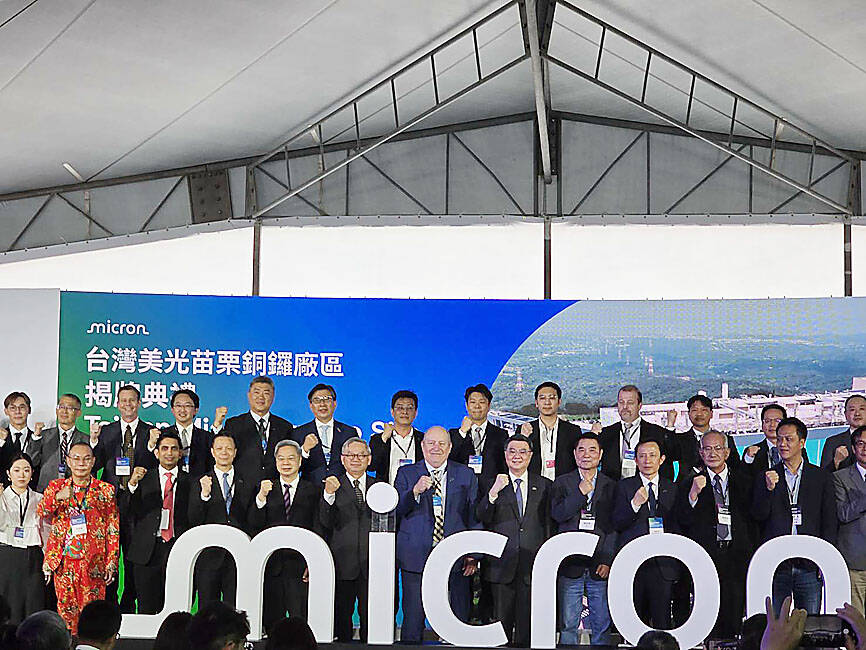
Photo: Tsai Cheng-min, Taipei Times
As the global semiconductor industry is racing to reach US$1 trillion in revenue this year, four years ahead of researchers’ expectations, segments “of memory and storage [are] projected to be the fastest growing,” Micron senior vice president for global front-end operations Buddy Nicoson said at the plant’s unveiling ceremony.
“This clearly shows that demand for advanced memory is growing at an unprecedented pace,” Nicoson said. “The launch of Tongluo site symbolizes the flexibility and agility that we bring to meet our customers’ needs.”
“At the same time, Tongluo is a critical part of Micron’s global manufacturing expansion strategy,” he said.
In addition to Taiwan, Micron is expanding capacities across the US, Japan, Singapore and India to build a resilient and flexible global manufacturing network, he added.
The company on Monday moved in the first batch of chip manufacturing equipment to the Tongluo plant, Micron Memory Taiwan Co (台灣美光) head Donghui Lu (盧東暉) said.
The new plant plans to hire 1,000 new employees, which would boost the number of Micron’s employees in Taiwan to about 15,000 by the end of this year, Lu said.
The company would continue to improve its advanced DRAM manufacturing and packaging capabilities in Taiwan, with HBM remaining a key focus, he said.
As of January, Micron had invested NT$1.4 trillion (US$43.88 billion) in Taiwan, making the company the largest foreign investor in Taiwan, Premier Cho Jung-tai (卓榮泰) said during the ceremony.
That also elevated Taiwan’s role as the largest memory manufacturing hub for Micron in the world, Cho said.
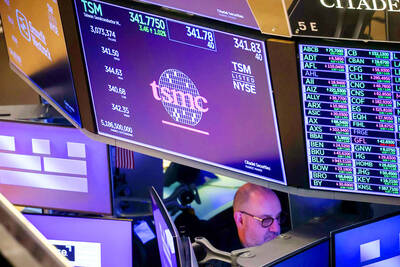
STRONG INTEREST: Analysts have pointed to optimism in TSMC’s growth prospects in the artificial intelligence era as the cause of the rising number of shareholders The number of people holding shares of chipmaker Taiwan Semiconductor Manufacturing Co (TSMC, 台積電) hit a new high last week despite a decline in its stock price, the Taiwan Depository and Clearing Corp (TDCC, 台灣集保) said. The number of TSMC shareholders rose to 2.46 million as of Friday, up 75,536 from a week earlier, TDCC data showed. The stock price fell 1.34 percent during the same week to close at NT$1,840 (US$57.55). The decline in TSMC’s share price resulted from volatility in global tech stocks, driven by rising international crude oil prices as the war against Iran continues. Dealers said
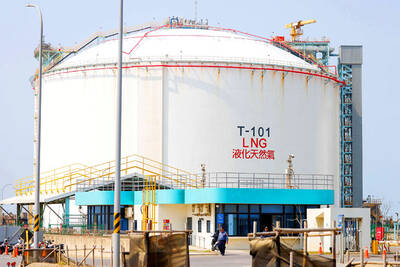
Taiwan’s natural gas supply remains stable through the end of May, despite rising concerns about potential disruptions to Qatari liquefied natural gas (LNG) supplies due to escalating conflicts in the Middle East, the Ministry of Economic Affairs said yesterday. The ministry in a statement said that Taiwan has completed preparations for natural gas supply and shipping schedules through the end of May. It has also made plans to increase natural gas imports from regions outside the Middle East in June to ensure a stable supply, it added. Taiwan sources natural gas from 14 countries and is not solely dependent on the Middle East,
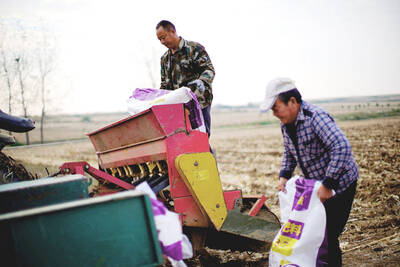
China is clamping down on fertilizer exports to protect its domestic market, industry sources said, putting an additional strain on global markets that were already grappling with shortages caused by the US-Israeli war on Iran. China is among the largest fertilizer exporters — shipping more than US$13 billion of it last year — and it has a history of controlling exports to keep prices low for farmers. Shipments through the war-blocked Strait of Hormuz account for about one-third of the sea-borne supply. This month, Beijing banned exports of nitrogen-potassium fertilizer blends and certain phosphate varieties, sources said. The ban, which has not

Grab Holdings Ltd agreed to buy Delivery Hero SE’s Foodpanda operations in Taiwan for US$600 million, a deal that marks its first foray outside of its Southeast Asian base. The cash acquisition will allow Grab to expand into 21 cities across Taiwan, the Singapore-based ride-hailing and delivery company said in a statement yesterday. Grab expects the transaction to be completed in the second half, subject to regulatory approvals. The purchase will give Grab a presence on the island of about 23 million people, helping it to expand beyond its intensely competitive home market. Grab has seen growth slow dramatically as it takes


 RSS
RSS