


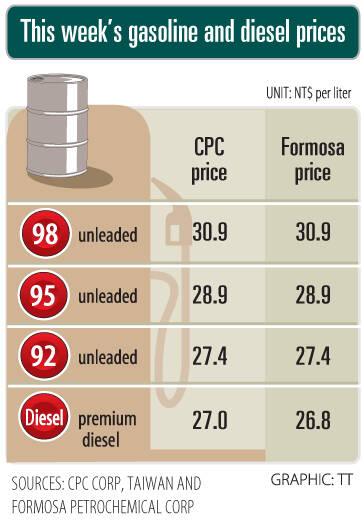
CPC Corp, Taiwan (CPC, 台灣中油) and Formosa Petrochemical Corp (台塑石化) yesterday announced that gasoline and diesel prices would rise by NT$0.2 and NT$0.4 per liter respectively starting today, citing Middle East tensions and winter storms in the eastern US.
The prices would be NT$27.4, NT$28.9 and NT$30.9 per liter for 92, 95 and 98-octane unleaded gasoline respectively at CPC and Formosa stations, the companies said in separate statements.
Premium diesel would be NT$27 per liter at CPC stations and NT$26.8 per liter at Formosa pumps, they said.
Separately, CPC on Saturday said it would raise the price of natural gas by 3 percent on average this month in the wake of a hike in international liquefied natural gas (LNG) prices.
The latest price adjustments would see households’ natural gas expenses rise by NT$5 to NT$7 a month, but the price would remain below CPC’s costs, the company said.
CPC said the latest natural gas price hike only partly reflects more expensive imports, as the company follows a government mandate to maintain consumer prices at a stable level by absorbing part of the increased costs.
International LNG prices have been rising sharply due to robust global demand caused by freezing temperatures in Europe, the US and northeast Asia, it said.
Europe’s natural gas inventories are relatively low, and as European and Asian countries scramble to rebuild their surplus, LNG prices rise, CPC said.

South Korea’s equity benchmark yesterday crossed a new milestone just a month after surpassing the once-unthinkable 5,000 mark as surging global memory demand powers the country’s biggest chipmakers. The KOSPI advanced as much as 2.6 percent to a record 6,123, with Samsung Electronics Co and SK Hynix Inc each gaining more than 2 percent. With the benchmark now up 45 percent this year, South Korea’s stock market capitalization has also moved past France’s, following last month’s overtaking of Germany’s. Long overlooked by foreign funds, despite being undervalued, South Korean stocks have now emerged as clear winners in the global market. The so-called “artificial intelligence
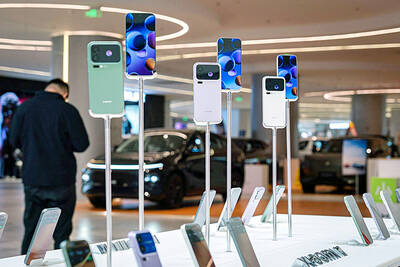
‘SEISMIC SHIFT’: The researcher forecast there would be about 1.1 billion mobile shipments this year, down from 1.26 billion the prior year and erasing years of gains The global smartphone market is expected to contract 12.9 percent this year due to the unprecedented memorychip shortage, marking “a crisis like no other,” researcher International Data Corp (IDC) said. The new forecast, a dramatic revision down from earlier estimates, gives the latest accounting of the ongoing memory crunch that is affecting every corner of the electronics industry. The demand for advanced memory to power artificial intelligence (AI) tasks has drained global supply until well into next year and jeopardizes the business model of many smartphone makers. IDC forecast about 1.1 billion mobile shipments this year, down from 1.26 billion the prior
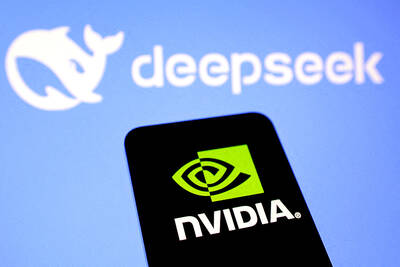
Chinese artificial intelligence (AI) start-up DeepSeek’s (深度求索) latest AI model, set to be released as soon as next week, was trained on Nvidia Corp’s most advanced AI chip, the Blackwell, a senior official of US President Donald Trump’s administration said on Monday, in what could represent a violation of US export controls. The US believes DeepSeek will remove the technical indicators that might reveal its use of American AI chips, the official said, adding that the Blackwells are likely clustered at its data center in Inner Mongolia, an autonomous region of China. The person declined to say how the US government received
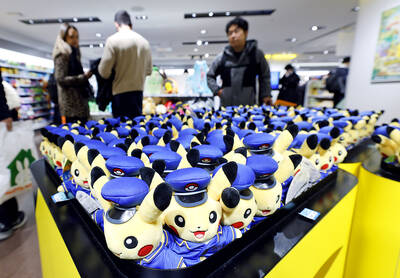
People stand in a Pokemon store in Tokyo on Thursday. One of the world highest-grossing franchises is celebrated its 30th anniversary yesterday.


 RSS
RSS