


Global notebook computer shipments are expected to slide 9.4 percent annually this year, as PC vendors face price hikes for CPUs and memory chips, which elevate manufacturing costs, market researcher TrendForce Corp (集邦科技) said in a report on Monday.
The outlook in shipments is a steeper decline than the 5.4 percent reduction estimated by TrendForce previously amid unresolved chip supply bottlenecks and elusive brand strategies, the Taipei-based research house said.
As PC vendors make slim margins, rising costs of components are a substantial financial burden, TrendForce said.
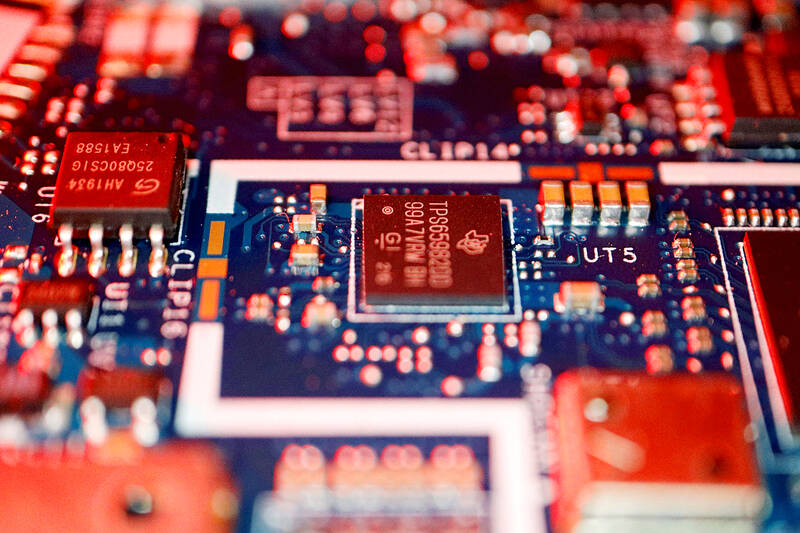
Photo: Reuters
“Memorychip prices continue to be high, and unstable CPU supplies are adding uncertainty to the notebook computer market in the short term,” the report said.
“To cope with supply-demand dynamics of key components, PC brands might adjust their cost [management], inventory levels and product strategies,” it said. “Those factors combined with consumers’ acceptance of pricier [notebook computers] are crucial factors affecting the market situation in the second half of this year.”
This quarter, notebook computer shipments worldwide are expected to slump 14.8 percent sequentially, possibly falling short of PC vendors’ expectations, TrendForce said.
The researcher attributed mounting costs to CPU supply constraints and a price uptrend of other key components such as printed circuit boards (PCBs), batteries and power management chips.
Intel Corp has raised CPU prices used in entry-level models due to a supply shortage, which is unlikely to ease through March, while the company’s expected increase in CPU supply would allow global notebook computer shipments to regain quarterly growth in the second quarter, TrendForce said.
The price hikes in CPUs are critical to PC vendors, given that CPUs account for 15 to 30 percent of a notebook computer’s bill of materials (BOM), the report said.
A majority of entry-level and mainstream models are equipped with Intel’s CPUs, it said.
PC vendors would have to adjust their product lineups and reschedule shipments to cope with higher CPU costs, it added.
Additionally, solid state drive (SSD) storage prices and PC DRAM chips are expected to soar more than 70 percent and 80 percent respectively this quarter from the previous quarter, the report said.
PC vendors stepped up notebook computer shipments in the fourth quarter last year, as they have been grappling with memorychip price surges since the second half of last year, it said.
As PC vendors are still unable to source adequate memory chips this quarter, their production schedules and shipment timelines have been disrupted, it added.
The higher costs of PCBs are due to an increase in design complexity and rising copper prices, TrendForce said.
PC vendors are facing a structural shift in PCB costs, as they are required to equip mid-to-high-range notebook computers with higher-quality motherboards to align with specification upgrades, it said.
Specification upgrades are expected to drive higher BOM costs due to greater demand for batteries and power management chips, TrendForce said.
The introduction of new-generation Wi-Fi 7 and USB chips would also push costs of components up, it added.
Shares of contract chipmaker Taiwan Semiconductor Manufacturing Co (TSMC, 台積電) came under pressure yesterday after a report that Apple Inc is looking to shift some orders from the Taiwanese company to Intel Corp. TSMC shares fell NT$55, or 2.4 percent, to close at NT$2,235 on the local main board, Taiwan Stock Exchange data showed. Despite the losses, TSMC is expected to continue to benefit from sound fundamentals, as it maintains a lead over its peers in high-end process development, analysts said. “The selling was a knee-jerk reaction to an Intel-Apple report over the weekend,” Mega International Investment Services Corp (兆豐國際投顧) analyst Alex Huang
Taiwan Semiconductor Manufacturing Co (TSMC, 台積電) is expected to remain Apple Inc’s primary chip manufacturing partner despite reports that Apple could shift some orders to Intel Corp, industry experts said yesterday. The comments came after The Wall Street Journal reported on Friday that Apple and Intel had reached a preliminary agreement following more than a year of negotiations for Intel to manufacture some chips for Apple devices. Taiwan Institute of Economic Research (台灣經濟研究院) economist Arisa Liu (劉佩真) said TSMC’s advanced packaging technologies, including integrated fan-out and chip-on-wafer-on-substrate, remain critical to the performance of Apple’s A-series and M-series chips. She said Intel and Samsung
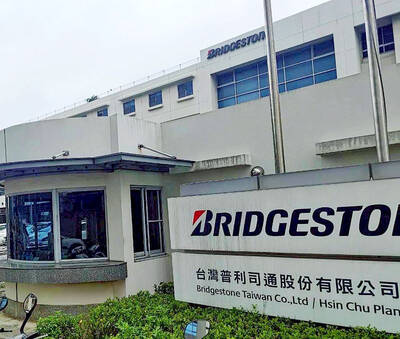
TRANSITION: With the closure, the company would reorganize its Taiwanese unit to a sales and service-focused model, Bridgestone said Bridgestone Corp yesterday announced it would cease manufacturing operations at its tire plant in Hsinchu County’s Hukou Township (湖口), affecting more than 500 workers. Bridgestone Taiwan Co (台灣普利司通) said in a statement that the decision was based on the Tokyo-based tire maker’s adjustments to its global operational strategy and long-term market development considerations. The Taiwanese unit would be reorganized as part of the closure, effective yesterday, and all related production activities would be concluded, the statement said. Under the plan, Bridgestone would continue to deepen its presence in the Taiwanese market, while transitioning to a sales and service-focused business model, it added. The Hsinchu
Taiwan Semiconductor Manufacturing Co (TSMC, 台積電) has approved a capital budget of US$31.28 billion for production expansion to meet long-term development needs during the artificial intelligence (AI) boom. The company’s board meeting yesterday approved the capital appropriation plan for purposes such as the installation of advanced technology capacity and fab construction, the world’s largest contract chipmaker said in a statement. At an earnings conference last month, TSMC forecast that its capital expenditure for this year would be at the higher end of the US$52 billion to US$56 billion range it forecast in January in response to robust demand for 5G, AI and


 RSS
RSS