


Power supply and electronic components maker Delta Electronics Inc (台達電) reported record-high revenue of NT$161.61 billion (US$5.11 billion) for last quarter and said it remains positive about this quarter.
Last quarter’s figure was up 7.6 percent from the previous quarter and 41.51 percent higher than a year earlier, and largely in line with Yuanta Securities Investment Consulting Co’s (元大投顧) forecast of NT$160 billion.
Delta’s annual revenue last year rose 31.76 percent year-on-year to NT$554.89 billion, also a record high for the company.
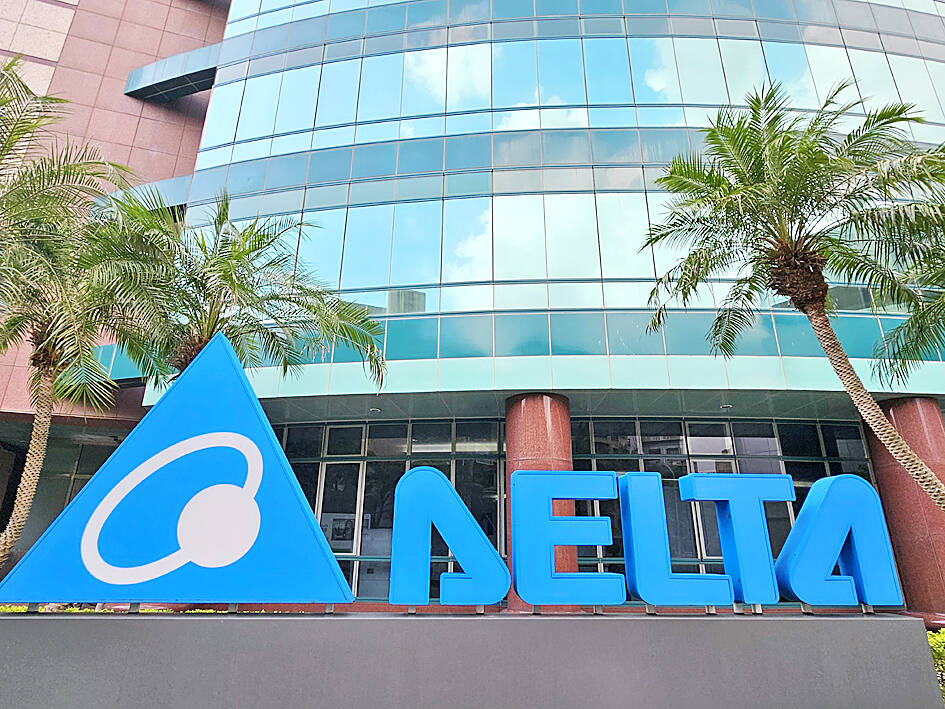
Photo: CNA
Its strong performance reflected continued demand for high-performance power solutions and advanced liquid-cooling products used in artificial intelligence (AI) data centers, a Delta official said by telephone on Monday.
During the first three quarters of last year, AI-related power supply units (PSUs) accounted for 23 percent of the company’s total revenue, a sixfold increase from a year earlier.
PSUs used for AI servers made up about 50 percent of its total server PSU revenue during the period, company data showed.
This year, AI data center-related products are expected to remain a key revenue driver for Delta, especially advanced power solutions, high-voltage power products and advanced heat-dissipation products, the official said.
As power consumption in data centers continues to rise, centralized power supply solutions featuring power rack designs have become a major industry trend, and Delta has the capability to provide a complete product lineup to cloud service providers and data center operators, they said.
The company can also supply heat-dissipation products used in data centers, from liquid-to-air to liquid-to-liquid cooling systems, they added.
Delta is also developing power supply products for an 800 volt high-voltage direct-current structure and ±400 volt direct-current system for major cloud service providers, with mass production scheduled to start in the second half of this year, the company said earlier.
Delta’s facilities in Taiwan, Thailand and the US are operating at full capacity, and it plans to continue expanding capacity in Thailand this year after adding three plants at the end of last year, it said.
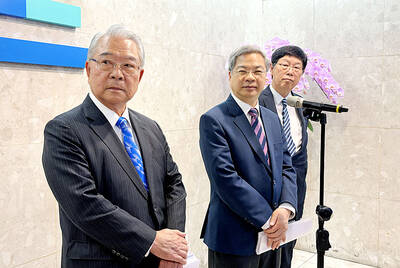
PATENT PROBE: US lawmakers called for a ban on imports of chips made by TSMC if they are found to infringe on US patents, with a preliminary ruling expected soon Minister of Economic Affairs Kung Ming-hsin (龔明鑫) yesterday expressed confidence in Taiwan Semiconductor Manufacturing Co’s (TSMC, 台積電) compliance with patent regulations after reports linked the company to a patent infringement lawsuit in the US. US Representative Ryan Zinke, and US senators Tim Sheehy, Roger Marshall and Bernie Moreno urged the US International Trade Commission in a May 22 letter to ban imports of chips made by TSMC if they are found to infringe on US patents, Axios reported on Wednesday. An administrative law judge is expected to issue a preliminary ruling this month, with the commission potentially making a final decision in
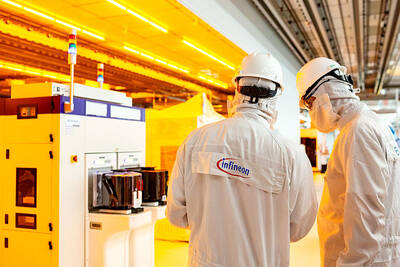
Infineon Technologies AG is preparing to open its largest single investment, a 5 billion euro (US$5.8 billion) semiconductor factory built with the help of EU subsidies, as the bloc seeks to boost chip production. The power chip fab, which is an extension of the German company’s Dresden campus, is scheduled to open on July 2, Infineon chief operating officer Alexander Gorski said this week at the site. The project is a major recipient of EU Chips Act funds, receiving about 1 billion euros in subsidies. The new plant represents a rare success for the bloc’s flagship semiconductor law, which was drawn up during
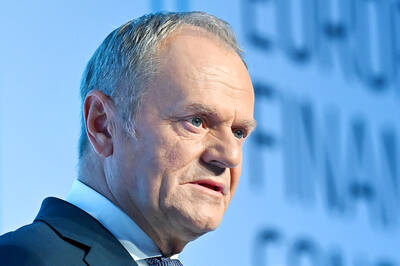
Poland is betting on a flood of investments and technology transfers from Taiwanese companies to reengineer its US$1 trillion economy. Polish Prime Minister Donald Tusk said yesterday that Poland will no longer be “just an assembly hub” as it pursues further investments from the likes of Foxconn Technology Group (富士康). The firm, whose full name is Hon Hai Precision Industry Co (鴻海精密), last month agreed to build electric vehicles (EVs) in the European Union nation and now could be a partner in a semiconductor venture, he said. The government’s aim is to boost manufacturing and the country’s high-tech chops in an era
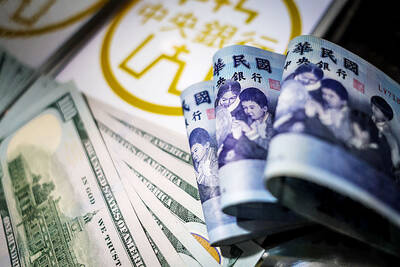
Taiwan remained the sixth-largest net creditor nation in the world last year, despite a fall of more than 10 percent in its net international investment position (NIIP) over the year, the central bank said yesterday. The NIIP is the difference between a country’s external financial assets and its external financial liabilities. Taiwan’s external financial assets hit US$3.27 trillion at the end of last year, up US$275.75 billion or 9.2 percent from a year earlier, the central bank said in its annual NIIP report. The growth largely reflected an increase in holdings of overseas marketable securities by residents in Taiwan, as well as a


 RSS
RSS