


Formosa International Hotels Corp (FIH, 晶華國際酒店集團) yesterday announced plans to distribute cash dividends of NT$11.38 per share, higher than the earnings per share of NT$11.11 it made last year.
The company, which owns the Regent Taipei (台北晶華酒店), Silks Place (晶英酒店) and Just Sleep Hotel & Resort (捷絲旅) brands, reported net income of NT$1.53 billion (US$48.7 million) for last year, a sharp improvement of 50.31 percent from 2022.
FIH attributed the growth to sturdy beverage and food sales, as guest room revenue performed poorly due to a decrease in foreign arrivals.
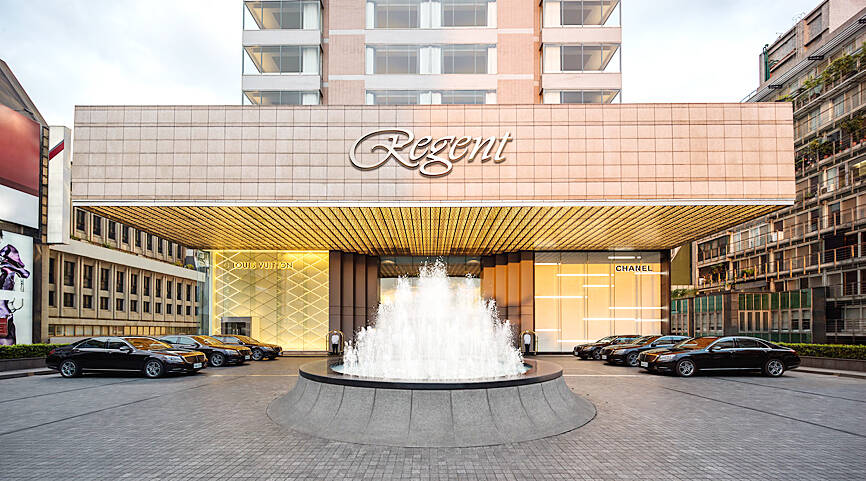
Photo courtesy of Formosa International Hotels Corp
The company expects its food and beverage business to thrive in the first half of the year on the back of business gatherings, national holidays and trade shows, and plans to boost guest room and dining revenues in the second half of the year with assorted promotion packages and by collaborating with tourism partners, it said.
Meanwhile, My Humble House Hospitality Management Consulting Co (寒舍餐旅) last week reported a record net income of NT$414 million for last year, or earnings per share of NT$4.52.
My Humble House, which operates Le Meridien Taipei (台北寒舍艾美酒店), Sheraton Grand Taipei Hotel (台北喜來登大飯店) and Mu Jiaosi Hotel (礁溪寒沐), said it registered double-digit gains in room occupancy and food sales last year.

Meta Platforms Inc offered US$100 million bonuses to OpenAI employees in an unsuccessful bid to poach the ChatGPT maker’s talent and strengthen its own generative artificial intelligence (AI) teams, OpenAI CEO Sam Altman has said. Facebook’s parent company — a competitor of OpenAI — also offered “giant” annual salaries exceeding US$100 million to OpenAI staffers, Altman said in an interview on the Uncapped with Jack Altman podcast released on Tuesday. “It is crazy,” Sam Altman told his brother Jack in the interview. “I’m really happy that at least so far none of our best people have decided to take them
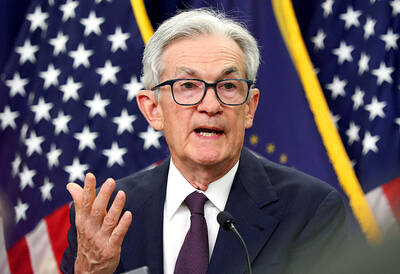
DIVIDED VIEWS: Although the Fed agreed on holding rates steady, some officials see no rate cuts for this year, while 10 policymakers foresee two or more cuts There are a lot of unknowns about the outlook for the economy and interest rates, but US Federal Reserve Chair Jerome Powell signaled at least one thing seems certain: Higher prices are coming. Fed policymakers voted unanimously to hold interest rates steady at a range of 4.25 percent to 4.50 percent for a fourth straight meeting on Wednesday, as they await clarity on whether tariffs would leave a one-time or more lasting mark on inflation. Powell said it is still unclear how much of the bill would fall on the shoulders of consumers, but he expects to learn more about tariffs
PLANS: MSI is also planning to upgrade its service center in the Netherlands Micro-Star International Co (MSI, 微星) yesterday said it plans to set up a server assembly line at its Poland service center this year at the earliest. The computer and peripherals manufacturer expects that the new server assembly line would shorten transportation times in shipments to European countries, a company spokesperson told the Taipei Times by telephone. MSI manufactures motherboards, graphics cards, notebook computers, servers, optical storage devices and communication devices. The company operates plants in Taiwan and China, and runs a global network of service centers. The company is also considering upgrading its service center in the Netherlands into a
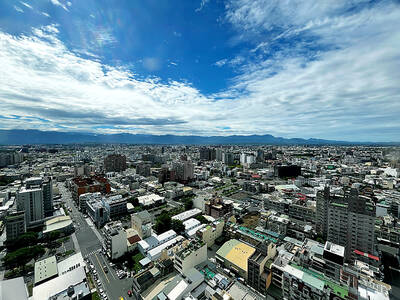
Taiwan’s property market is entering a freeze, with mortgage activity across the nation’s six largest cities plummeting in the first quarter, H&B Realty Co (住商不動產) said yesterday, citing mounting pressure on housing demand amid tighter lending rules and regulatory curbs. Mortgage applications in Taipei, New Taipei City, Taoyuan, Taichung, Tainan and Kaohsiung totaled 28,078 from January to March, a sharp 36.3 percent decline from 44,082 in the same period last year, the nation’s largest real-estate brokerage by franchise said, citing data from the Joint Credit Information Center (JCIC, 聯徵中心). “The simultaneous decline across all six cities reflects just how drastically the market


 RSS
RSS