


China is to get a picture of how the country’s “zero COVID-19” policy and slowing economy have affected shoppers’ urge to splurge, as e-commerce platforms gear up to report takings from the mid-year “618” shopping festival this weekend.
Held in the run-up to June 18, 618 is China’s second-largest shopping event by sales after Nov. 11’s Singles Day, with bargain-hunters holding off purchases in anticipation of discounts.
Last year, Alibaba Group Holding Ltd’s (阿里巴巴) Tmall.com (天貓), JD.com Inc (京東) and Pinduoduo Inc (拼多多) hit a combined 578.4 billion yuan (US$85.89 billion) of 618 sales, up 26.5 percent from the year earlier, data from Syntun (星圖數據) showed.
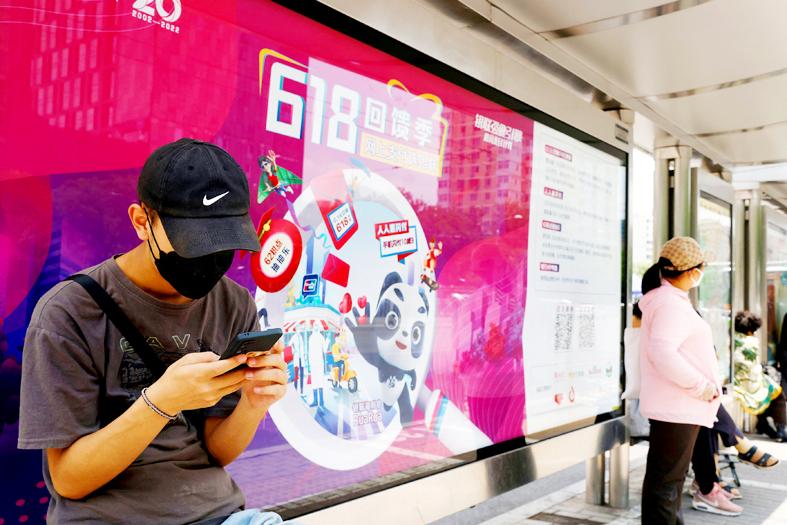
Photo: Reuters
However, the world’s second-largest economy has in the past three months been hobbled by Chinese government efforts to combat repeated waves of COVID-19 that have seen dozens of cities impose lockdown measures of varying intensity, in turn curtailing spending, affecting livelihoods and heavily disrupting supply chains.
Many cities eased curbs this month and have said they want to stimulate consumption to revive the economy, with incentives including vouchers, subsidies for vehicle buyers and digital yuan payments.
Acknowledging that brands have been affected by pandemic restrictions, Alibaba and JD.com are offering merchant support measures, such as pledging to speed up transfers of presale deposits to help merchants’ liquidity.
They are also encouraging brands to offer their biggest-ever discounts in hope of spurring spending, with JD.com stipulating that shoppers can get 50 yuan off for every 299 yuan they spend. Alibaba has a similar offer. Vendors foot the bill for the discounts.
However, some companies and agents told reporters that they planned to participate less in discounting this year because they or their clients were unable to afford it.
Fang Jianhua (方建華), founder and chairman of IDG Capital and Alibaba-backed clothing brand Inman Apparel, penned an article on WeChat last month lamenting how retailers, especially in Shanghai, were suffering in the current environment from lost sales and that he planned to “lie flat” for 618 — a Chinese expression of inaction.
Rather than discounts, Fang plans to “concentrate on how to use our products and services to build up emotional connections with millions of customers,” he said without elaborating.
Still, the event is seeing a trend of retailers from pasta maker Barilla to shampoo brand Ryo offering “stock up” packages, containing what would constitute bulk orders of their products.
Many shoppers in cities such as Shanghai and Beijing that have had pandemic lockdown measures have rushed to stock up on food and daily necessities even after movement restrictions eased due to fear a lockdown happening again.
The 618 event was conceived by JD.com in 2004 to celebrate its anniversary.
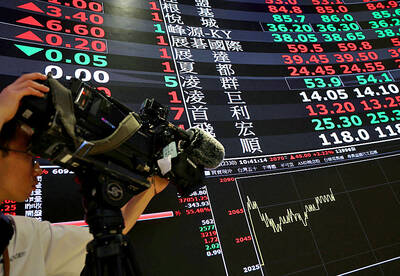
After several years flying high as Asia’s best Nvidia Corp proxy, Taiwan Semiconductor Manufacturing Co (TSMC, 台積電) is increasingly vying with other artificial intelligence (AI) stocks for investor attention. Stock traders are chasing a wider array of beneficiaries as mainstream usage of AI creates demand for hardware beyond the most-advanced chips TSMC makes for Nvidia. Subthemes from the deepening memory crunch to advances in robotics are also luring bids. At the same time, investment caps on single stocks are pushing funds to diversify, while retail investors long familiar with TSMC through its US depositary receipts are being offered a broader set of
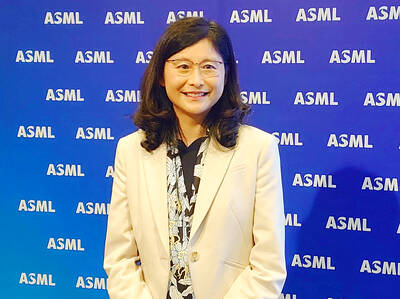
Netherlands-based semiconductor equipment supplier ASML Holding NV yesterday said that it is planning to hire an additional 1,000 people in Taiwan this year in response to growing demand from clients. ASML had previously planned to recruit 600 people this year, but that the plan has been adjusted upward, ASML vice president and ASML Taiwan general manager Grace Wang (汪佳慧) told reporters. ASML has a workforce of more than 4,500 in Taiwan, accounting for about 10 percent of its global total, Wang said. This year’s recruitment campaign would focus on adding people in the customer support, manufacturing and supply chain domains to assist ASML
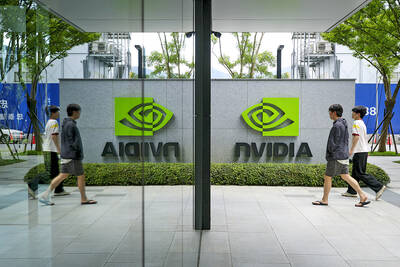
UNDER MICROSCOPE: Taiwan detained three people who allegedly conspired to buy servers in Taiwan and export them using fraudulent documentation, prosecutors said Nvidia Corp chief executive officer Jensen Huang (黃仁勳) on Saturday urged Super Micro Computer Inc to tighten up on compliance after Taiwan detained three people this week for allegedly making fraudulent declarations about artificial intelligence (AI) servers made by its US partner. The development marked the nation’s first crackdown on semiconductor smuggling, which grew after the US slapped restrictions on exports of high-end chips such as Nvidia AI accelerators to China. Nvidia is “rigorous” in explaining regulations to all of its partners, Huang told reporters after arriving in Taipei. “Ultimately Super Micro has to run their own company,” he said in response to
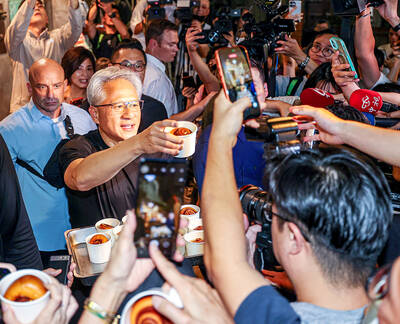
Nvidia Corp yesterday announced that CEO Jensen Huang (黃仁勳) would attend an employee meeting in Taipei tomorrow to celebrate the launch of the company’s Taiwan headquarters project. Huang would attend a gathering at the site of Nvidia’s planned headquarters in Beitou Shilin Technology Park (北投士林科技園區), the company said in a statement. After arriving in Taiwan on Saturday last week, Huang told reporters that he plans to meet with Quanta Computer Inc (廣達) chairman Barry Lam (林百里) and Taiwan Semiconductor Manufacturing Co (TSMC, 台積電) chairman C.C. Wei (魏哲家), and would attend the groundbreaking ceremony for Nvidia’s Taiwan headquarters tomorrow. Nvidia has not yet applied


 RSS
RSS