


Gifted and inherited properties last quarter increased 12 percent and 4.3 percent year-on-year to 15,481 and 14,952 units respectively, government data showed yesterday, as people appeared to be undeterred by stricter property tax terms while becoming more active in asset allocations.
The figures show a seven-year high following the introduction of combined property taxes, data on the Ministry of the Interior’s Web site showed.
The rise appears to be a result of increased financial planning by people with multiple homes as a way to help them cope with selective credit controls and rising inflationary pressures, Great Home Realty Co (大家房屋) head researcher Mandy Lang (郎美囡) said.
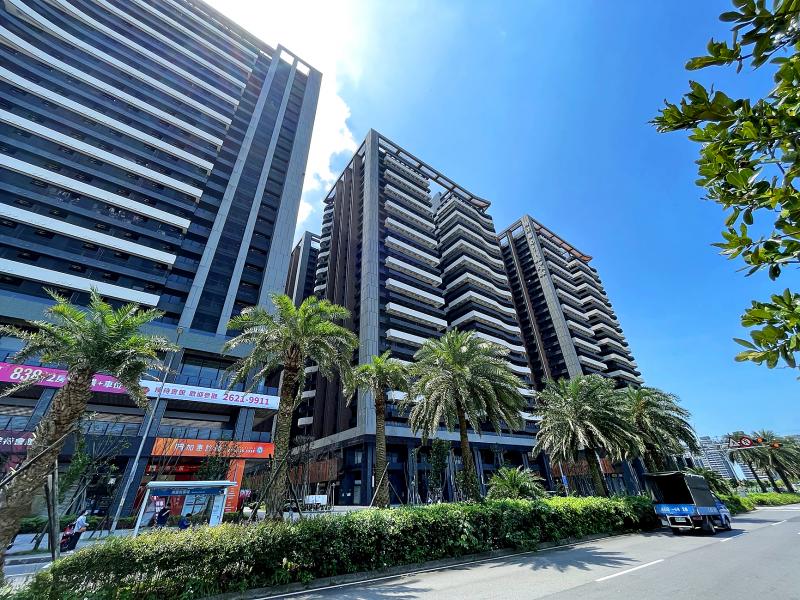
Photo: Hsu Yi-ping, Taipei Times
Tightened property tax terms should result in higher taxes when people sell inherited and gifted properties, although people regardless seem to be pressing ahead with asset allocations, especially those with multiple homes, Lang said.
Owners of multiple homes can bypass stricter lending terms by gifting properties to spouses or children who qualify for higher house loans, Lang said.
Gifted and inherited properties could also allow first-time property sellers the choice to apply a 10 percent tax rate on transaction gains, benefits usually not available to multiple home sellers.
Multiple home sellers must declare capital gains in line with income tax rules and pay taxes accordingly.
Gifted properties are most common in Taipei, New Taipei City and Taoyuan, but are not as popular in southern Taiwan, Lang said, adding that people in southern Taiwan are less comfortable with inheritance planning.
H&B Realty Co (住商不動產) research head Jessica Hsu (徐佳馨) said that people can file for tax relief by buying a new property within a certain period after selling an old one.
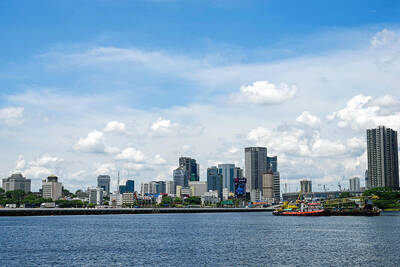
Vincent Wei led fellow Singaporean farmers around an empty Malaysian plot, laying out plans for a greenhouse and rows of leafy vegetables. What he pitched was not just space for crops, but a lifeline for growers struggling to make ends meet in a city-state with high prices and little vacant land. The future agriculture hub is part of a joint special economic zone launched last year by the two neighbors, expected to cost US$123 million and produce 10,000 tonnes of fresh produce annually. It is attracting Singaporean farmers with promises of cheaper land, labor and energy just over the border.

US actor Matthew McConaughey has filed recordings of his image and voice with US patent authorities to protect them from unauthorized usage by artificial intelligence (AI) platforms, a representative said earlier this week. Several video clips and audio recordings were registered by the commercial arm of the Just Keep Livin’ Foundation, a non-profit created by the Oscar-winning actor and his wife, Camila, according to the US Patent and Trademark Office database. Many artists are increasingly concerned about the uncontrolled use of their image via generative AI since the rollout of ChatGPT and other AI-powered tools. Several US states have adopted

KEEPING UP: The acquisition of a cleanroom in Taiwan would enable Micron to increase production in a market where demand continues to outpace supply, a Micron official said Micron Technology Inc has signed a letter of intent to buy a fabrication site in Taiwan from Powerchip Semiconductor Manufacturing Corp (力積電) for US$1.8 billion to expand its production of memory chips. Micron would take control of the P5 site in Miaoli County’s Tongluo Township (銅鑼) and plans to ramp up DRAM production in phases after the transaction closes in the second quarter, the company said in a statement on Saturday. The acquisition includes an existing 12 inch fab cleanroom of 27,871m2 and would further position Micron to address growing global demand for memory solutions, the company said. Micron expects the transaction to

A proposed billionaires’ tax in California has ignited a political uproar in Silicon Valley, with tech titans threatening to leave the state while California Governor Gavin Newsom of the Democratic Party maneuvers to defeat a levy that he fears would lead to an exodus of wealth. A technology mecca, California has more billionaires than any other US state — a few hundred, by some estimates. About half its personal income tax revenue, a financial backbone in the nearly US$350 billion budget, comes from the top 1 percent of earners. A large healthcare union is attempting to place a proposal before


 RSS
RSS