


New vehicle sales dipped 10.6 percent sequentially to 35,254 units last month, as a global chip shortage and transportation gridlocks disrupted shipments, statistics released by the nation’s motor vehicle offices showed.
On an annual basis, that represented a decline of 7 percent.
Cumulative sales in the first four months of the year contracted 13.5 percent year-on-year to 139,598 units.
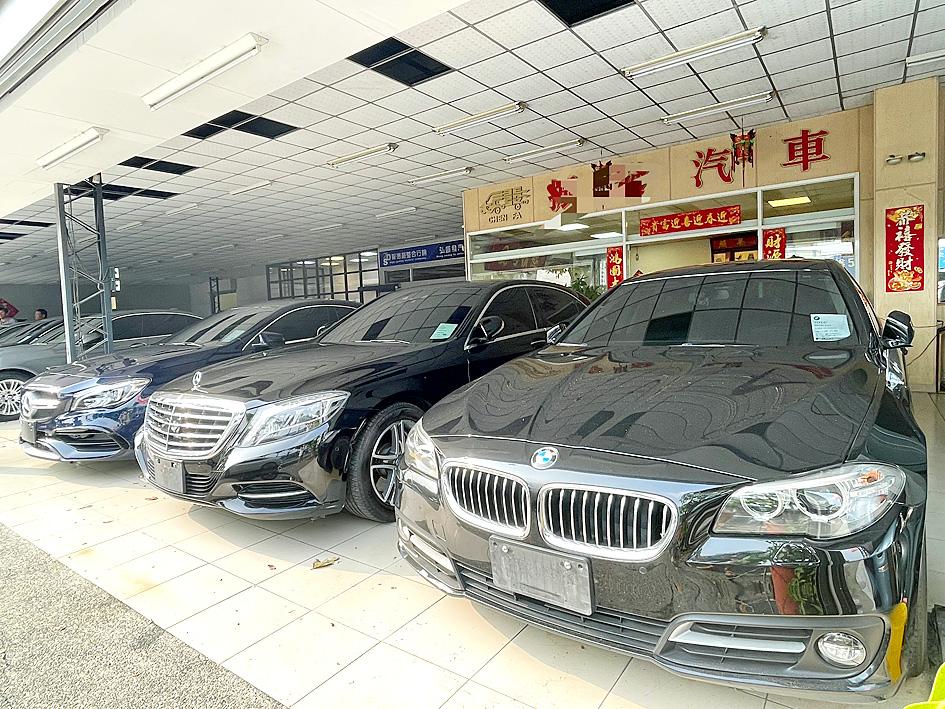
Photo: Amy Yang, Taipei Times
Given stringent COVID-19 restrictions in China and persistent global chip constraints, it would be difficult to see a significant improvement in vehicles sales in the short term, said Hotai Motor Co (和泰汽車), which distributes Lexus and Toyota models in Taiwan.
Hotai expects new vehicle sales in Taiwan to be flat or to fall slightly to about 35,000 units this month.
“We have a backlog of more than 10,000 vehicles so far,” Hotai spokesman Simon Liu (劉松山) said by telephone. “The scarcity of auto chips is the main factor affecting production of imported cars. Vehicle production at home looks okay, as most components we use are shipped in from northern China, not Shanghai.”
Liu said it is still unclear whether supply and logistics would improve in the second half.
Consumers should expect a long lead time of between three and six months, he added.
Asked about expectations that local vehicle vendors would hike prices further due to surging costs, Liu said Hotai does not have any plan to raise prices in the short term, as it has already adjusted prices early this year.
Raw material and transportation costs did climb at a steeper rate than last year, he added.
Hotai sold 12,500 units last month, dropping 9.2 percent from March as the chip shortage affected Lexus sales.
Sales of Lexus vehicles imported from Japan fell 25 percent to 1,631 units last month, it said.
Nonetheless, Hotai retained its position as the nation’s biggest vehicle distributor, with a 35.5 percent share of the local market.
Ford Lio Ho Motor Co (福特六和), a local subsidiary of US-based Ford Motor Co, ranked second with a 6.9 percent market share. It moved up one notch from No. 3, as sales expanded 13.7 percent month-on-month to 2,432 units.
The company said it was aided by robust orders ahead of its price hike of between NT$10,000 and NT$19,000 starting this month.
Pan German Universal Motors Ltd (汎德永業汽車), which distributes BMW, Porsche and Mini vehicles in Taiwan, posted the strongest growth among its peers, with auto sales soaring 148 percent month-on-month to 2,165 units last month.
Thanks to new vehicle arrivals, Pan German ranked No. 3 last month, with a market share of 6.1 percent.
POWERING UP: PSUs for AI servers made up about 50% of Delta’s total server PSU revenue during the first three quarters of last year, the company said Power supply and electronic components maker Delta Electronics Inc (台達電) reported record-high revenue of NT$161.61 billion (US$5.11 billion) for last quarter and said it remains positive about this quarter. Last quarter’s figure was up 7.6 percent from the previous quarter and 41.51 percent higher than a year earlier, and largely in line with Yuanta Securities Investment Consulting Co’s (元大投顧) forecast of NT$160 billion. Delta’s annual revenue last year rose 31.76 percent year-on-year to NT$554.89 billion, also a record high for the company. Its strong performance reflected continued demand for high-performance power solutions and advanced liquid-cooling products used in artificial intelligence (AI) data centers,
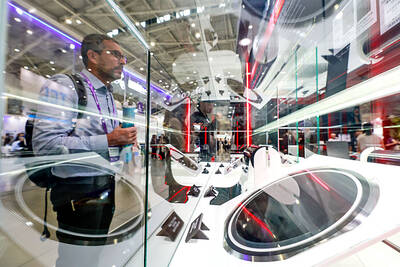
SIZE MATTERS: TSMC started phasing out 8-inch wafer production last year, while Samsung is more aggressively retiring 8-inch capacity, TrendForce said Chipmakers are expected to raise prices of 8-inch wafers by up to 20 percent this year on concern over supply constraints as major contract chipmakers Taiwan Semiconductor Manufacturing Co (TSMC, 台積電) and Samsung Electronics Co gradually retire less advanced wafer capacity, TrendForce Corp (集邦科技) said yesterday. It is the first significant across-the-board price hike since a global semiconductor correction in 2023, the Taipei-based market researcher said in a report. Global 8-inch wafer capacity slid 0.3 percent year-on-year last year, although 8-inch wafer prices still hovered at relatively stable levels throughout the year, TrendForce said. The downward trend is expected to continue this year,
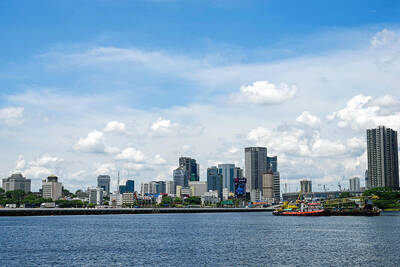
Vincent Wei led fellow Singaporean farmers around an empty Malaysian plot, laying out plans for a greenhouse and rows of leafy vegetables. What he pitched was not just space for crops, but a lifeline for growers struggling to make ends meet in a city-state with high prices and little vacant land. The future agriculture hub is part of a joint special economic zone launched last year by the two neighbors, expected to cost US$123 million and produce 10,000 tonnes of fresh produce annually. It is attracting Singaporean farmers with promises of cheaper land, labor and energy just over the border.

A proposed billionaires’ tax in California has ignited a political uproar in Silicon Valley, with tech titans threatening to leave the state while California Governor Gavin Newsom of the Democratic Party maneuvers to defeat a levy that he fears would lead to an exodus of wealth. A technology mecca, California has more billionaires than any other US state — a few hundred, by some estimates. About half its personal income tax revenue, a financial backbone in the nearly US$350 billion budget, comes from the top 1 percent of earners. A large healthcare union is attempting to place a proposal before


 RSS
RSS