


Intel Corp yesterday apologized for asking suppliers to avoid sourcing goods from China’s Xinjiang region after the chipmaker became the latest foreign brand to face the fury of state media regarding the region, where the Chinese Communist Party (CCP) is accused of widespread abuses.
The company said in a statement on social media that the reference to Xinjiang in a letter sent to suppliers was aimed at complying with US regulations.
Washington has barred imports of goods from Xinjiang over complaints of mass detentions of mostly Muslim minorities, forced abortions and other abuses in the northwestern region.
State media and Chinese social media users criticized Intel for what the Global Times called its “arrogant and vicious move.”
Some called for a boycott.
The letter caused “concerns among our cherished Chinese partners, which we deeply regret,” Intel said, adding that the mention of Xinjiang referred to the need to comply with regulations, not a company position.
Other companies, including retailer Hennes & Mauritz AB and sports apparel brand Nike Inc, have been targeted for criticism and calls for boycotts, after expressing concern about Xinjiang or saying they would stop using materials produced there.
Pop singer Wang Junkai (王俊凱), also known as Karry Wang, on Wednesday announced that he was pulling out of a deal to act as “brand ambassador” for Intel’s Core line of processor chips.
Wang joined other Chinese celebrities who have broken ties with foreign brands over Xinjiang, giving up millions of dollars in income to avoid retaliation by the CCP.

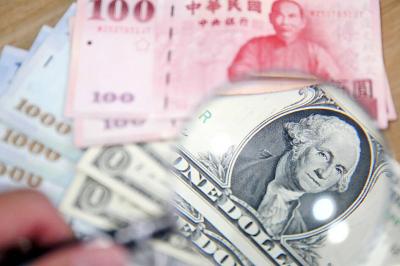
The US dollar was trading at NT$29.7 at 10am today on the Taipei Foreign Exchange, as the New Taiwan dollar gained NT$1.364 from the previous close last week. The NT dollar continued to rise today, after surging 3.07 percent on Friday. After opening at NT$30.91, the NT dollar gained more than NT$1 in just 15 minutes, briefly passing the NT$30 mark. Before the US Department of the Treasury's semi-annual currency report came out, expectations that the NT dollar would keep rising were already building. The NT dollar on Friday closed at NT$31.064, up by NT$0.953 — a 3.07 percent single-day gain. Today,
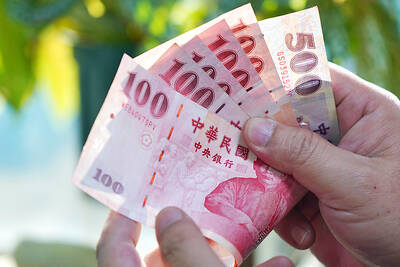
‘SHORT TERM’: The local currency would likely remain strong in the near term, driven by anticipated US trade pressure, capital inflows and expectations of a US Fed rate cut The US dollar is expected to fall below NT$30 in the near term, as traders anticipate increased pressure from Washington for Taiwan to allow the New Taiwan dollar to appreciate, Cathay United Bank (國泰世華銀行) chief economist Lin Chi-chao (林啟超) said. Following a sharp drop in the greenback against the NT dollar on Friday, Lin told the Central News Agency that the local currency is likely to remain strong in the short term, driven in part by market psychology surrounding anticipated US policy pressure. On Friday, the US dollar fell NT$0.953, or 3.07 percent, closing at NT$31.064 — its lowest level since Jan.
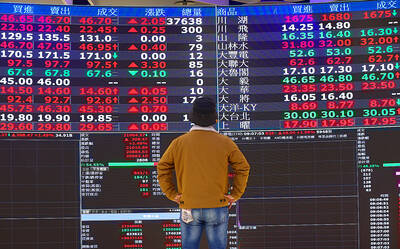
The New Taiwan dollar and Taiwanese stocks surged on signs that trade tensions between the world’s top two economies might start easing and as US tech earnings boosted the outlook of the nation’s semiconductor exports. The NT dollar strengthened as much as 3.8 percent versus the US dollar to 30.815, the biggest intraday gain since January 2011, closing at NT$31.064. The benchmark TAIEX jumped 2.73 percent to outperform the region’s equity gauges. Outlook for global trade improved after China said it is assessing possible trade talks with the US, providing a boost for the nation’s currency and shares. As the NT dollar
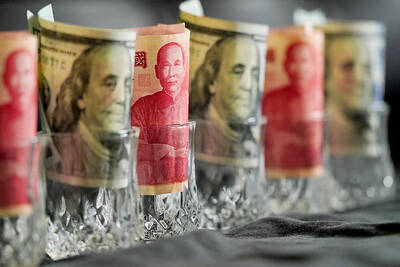
PRESSURE EXPECTED: The appreciation of the NT dollar reflected expectations that Washington would press Taiwan to boost its currency against the US dollar, dealers said Taiwan’s export-oriented semiconductor and auto part manufacturers are expecting their margins to be affected by large foreign exchange losses as the New Taiwan dollar continued to appreciate sharply against the US dollar yesterday. Among major semiconductor manufacturers, ASE Technology Holding Co (日月光), the world’s largest integrated circuit (IC) packaging and testing services provider, said that whenever the NT dollar rises NT$1 against the greenback, its gross margin is cut by about 1.5 percent. The NT dollar traded as strong as NT$29.59 per US dollar before trimming gains to close NT$0.919, or 2.96 percent, higher at NT$30.145 yesterday in Taipei trading


 RSS
RSS