


Mandarin Oriental Hotel Taipei (台北文華東方酒店) has won recognition as one of the best hotels in Asia, as the luxury property gains popularity among global travelers.
The property in Songshan District (松山) was ranked 10, with a score of 96.54, among 25 top hotels in Asia this year by Conde Nast Traveler, an international luxury and lifestyle travel magazine.
Mandarin Oriental Taipei is the only hotel in Taiwan to win the recognition after more than 300,000 readers submitted millions of ratings and comments about 7,320 hotels, 468 cruise ships, 158 airlines and 195 airports, the magazine said.
“The award lends force to Mandarin Oriental Taipei’s brand of luxury hospitality served with oriental charm,” Mandarin Oriental Taipei general manager Michael Ziemer said, adding that the hotel would continue to set a benchmark.
The Conde Nast Traveler Readers’ Choice Awards are the longest-
running and most prestigious recognition of excellence in the travel industry.
Mandarin Oriental Taipei has 303 guestrooms priced at an average of NT$12,000 per night, making it the most expensive facility among peers.
Occupancy and room rates have remained steady even though most of its rivals have been affected by a sharp decline in the number of Chinese visitors and an increasing number of players, communications official Bellona Ma (馬慧琦) said.
“That is because lodging facilities aimed at the high-end guests are less susceptible to cyclical volatility,” Ma said by telephone.
Launched in May 2014, the Taipei hotel has made adjustments to enhance customer satisfaction and recently turned its Cafe Un Deux Trois into a semi-buffet facility, Ma said, adding that it has six restaurants and bars.
The Taipei facility is a member of Mandarin Oriental Hotel Group, which operates 30 hotels and eight residences in 20 countries and territories worldwide.
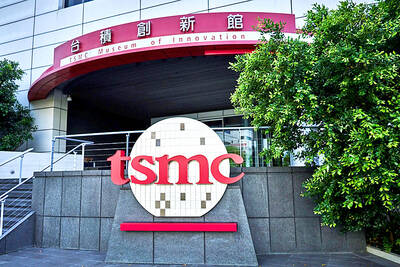
SEEKING CLARITY: Washington should not adopt measures that create uncertainties for ‘existing semiconductor investments,’ TSMC said referring to its US$165 billion in the US Taiwan Semiconductor Manufacturing Co (TSMC, 台積電) told the US that any future tariffs on Taiwanese semiconductors could reduce demand for chips and derail its pledge to increase its investment in Arizona. “New import restrictions could jeopardize current US leadership in the competitive technology industry and create uncertainties for many committed semiconductor capital projects in the US, including TSMC Arizona’s significant investment plan in Phoenix,” the chipmaker wrote in a letter to the US Department of Commerce. TSMC issued the warning in response to a solicitation for comments by the department on a possible tariff on semiconductor imports by US President Donald Trump’s

The government has launched a three-pronged strategy to attract local and international talent, aiming to position Taiwan as a new global hub following Nvidia Corp’s announcement that it has chosen Taipei as the site of its Taiwan headquarters. Nvidia cofounder and CEO Jensen Huang (黃仁勳) on Monday last week announced during his keynote speech at the Computex trade show in Taipei that the Nvidia Constellation, the company’s planned Taiwan headquarters, would be located in the Beitou-Shilin Technology Park (北投士林科技園區) in Taipei. Huang’s decision to establish a base in Taiwan is “primarily due to Taiwan’s talent pool and its strength in the semiconductor

Industrial production expanded 22.31 percent annually last month to 107.51, as increases in demand for high-performance computing (HPC) and artificial intelligence (AI) applications drove demand for locally-made chips and components. The manufacturing production index climbed 23.68 percent year-on-year to 108.37, marking the 14th consecutive month of increase, the Ministry of Economic Affairs said. In the first four months of this year, industrial and manufacturing production indices expanded 14.31 percent and 15.22 percent year-on-year, ministry data showed. The growth momentum is to extend into this month, with the manufacturing production index expected to rise between 11 percent and 15.1 percent annually, Department of Statistics

An earnings report from semiconductor giant and artificial intelligence (AI) bellwether Nvidia Corp takes center stage for Wall Street this week, as stocks hit a speed bump of worries over US federal deficits driving up Treasury yields. US equities pulled back last week after a torrid rally, as investors turned their attention to tax and spending legislation poised to swell the US government’s US$36 trillion in debt. Long-dated US Treasury yields rose amid the fiscal worries, with the 30-year yield topping 5 percent and hitting its highest level since late 2023. Stocks were dealt another blow on Friday when US President Donald


 RSS
RSS