


VIA Technologies Inc (
VIA's new C3 processor runs at a speed of 733 megahertz, the company's fastest chip so far. In January, VIA launched a 700MHz chip, and said it would be followed this year by faster chips, including a 1 gigahertz chip by the end of the year. Currently, only Intel Corp and Advanced Micro Devices Inc have 1GHz chips on the market.
Optimism on the new VIA processor and its new US$500 personal computer, both of which the company debuted at the CeBIT show, catapulted VIA's stock to the market's 7 percent upper-limit yesterday.
The most active stock on the Taiwan Stock Exchange, VIA rose NT$23 to end at NT$358 per share. The shares are up 98 percent this year.
Taiwan's largest chip designer aims to supply the processor to companies making PCs that cost US$500 or less, while rivals such as Intel focus on higher end systems. Via said its C3 processor is priced at US$54, while a comparable Celeron processor from Intel sells for about US$70, according to analysts.
"My estimate is that VIA will sell its chip to PC makers for about US$40," said Richard Ko, an analyst with Deutsche Bank Securities in Taipei.
"If VIA is able to reach a production cost of US$30, it should make good profits."
Compared with chips that are commonly made by 0.25 micron technology today, the C3 processor is the first to be mass-produced using 0.15 micron process technology, which makes the chip about half the size of the Intel Celeron and the Duron from AMD. Using the smaller technology, VIA can make nearly twice the number of chips from one silicon wafer than Intel or AMD can. That gives the company a cost advantage, Ko said. Intel and AMD will likely cut the cost of their processors as they start using 0.13 micron technology later this year.
Taiwan Semiconductor Manu-facturing Co (台積電), the largest chip contractor, is manufacturing the new processor for VIA.
VIA said the new processor generates less heat, allowing computer makers to eliminate cooling fans in both desktop and notebook PCs.
By taking the fan out of the equation, computer product designers can count on increased battery life and the freedom to make smaller, slimmer devices, key selling points for portable electronic products.
"The VIA C3 sets the new de facto standard for affordable, low-power x86 [PC-compatible] processors," Via President Chen Wen-chi (
The product is the only one of its kind that does not require a fan in a notebook computer, said Ko.
While Transmeta Corp's Crusoe processor also eliminates the need for a fan, it is not fully compatible with existing processors. PC makers have to redesign their products to accommodate the chip.
VIA's new C3 is comparable to the Crusoe in power consumption, according to Ko, but companies will not have to change designs for the new chips.

Merida Industry Co (美利達) has seen signs of recovery in the US and European markets this year, as customers are gradually depleting their inventories, the bicycle maker told shareholders yesterday. Given robust growth in new orders at its Taiwanese factory, coupled with its subsidiaries’ improving performance, Merida said it remains confident about the bicycle market’s prospects and expects steady growth in its core business this year. CAUTION ON CHINA However, the company must handle the Chinese market with great caution, as sales of road bikes there have declined significantly, affecting its revenue and profitability, Merida said in a statement, adding that it would
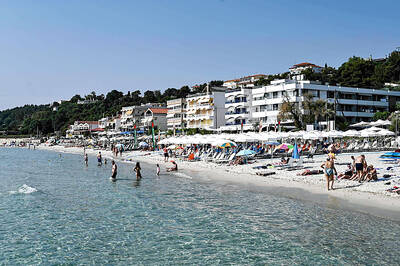
Greek tourism student Katerina quit within a month of starting work at a five-star hotel in Halkidiki, one of the country’s top destinations, because she said conditions were so dire. Beyond the bad pay, the 22-year-old said that her working and living conditions were “miserable and unacceptable.” Millions holiday in Greece every year, but its vital tourism industry is finding it harder and harder to recruit Greeks to look after them. “I was asked to work in any department of the hotel where there was a need, from service to cleaning,” said Katerina, a tourism and marketing student, who would
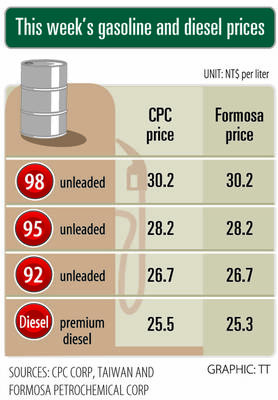
i Gasoline and diesel prices at fuel stations are this week to rise NT$0.1 per liter, as tensions in the Middle East pushed crude oil prices higher last week, CPC Corp, Taiwan (台灣中油) and Formosa Petrochemical Corp (台塑石化) said yesterday. International crude oil prices last week rose for the third consecutive week due to an escalating conflict between Israel and Iran, as the market is concerned that the situation in the Middle East might affect crude oil supply, CPC and Formosa said in separate statements. Front-month Brent crude oil futures — the international oil benchmark — rose 3.75 percent to settle at US$77.01
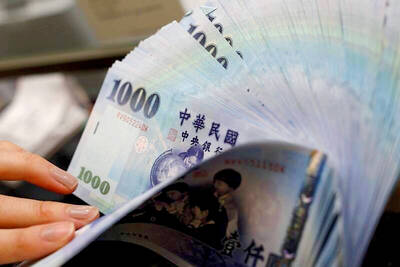
RISING: Strong exports, and life insurance companies’ efforts to manage currency risks indicates the NT dollar would eventually pass the 29 level, an expert said The New Taiwan dollar yesterday rallied to its strongest in three years amid inflows to the nation’s stock market and broad-based weakness in the US dollar. Exporter sales of the US currency and a repatriation of funds from local asset managers also played a role, said two traders, who asked not to be identified as they were not authorized to speak publicly. State-owned banks were seen buying the greenback yesterday, but only at a moderate scale, the traders said. The local currency gained 0.77 percent, outperforming almost all of its Asian peers, to close at NT$29.165 per US dollar in Taipei trading yesterday. The


 RSS
RSS