


Shampoo advertising in Japan typically featured glamorous blondes praising imports from Procter & Gamble (P&G) and Unilever.
But ads for Tsubaki, the latest hit from local cosmetics maker Shiseido Co, feature famous Japanese women and an unusually direct slogan: "Japanese women are beautiful."
The message has struck a chord at a time when Japanese women are increasingly looking to role models in their own ranks, rather than stars from abroad, for definitions of their self worth. Advertisers are beginning to recognize that.
"Japanese women are starting to have confidence in themselves," says Yoko Kawashima of marketing company Itochu Fashion System Co.
For decades, beauty standards in Japan were dictated by the West, home to famous fashion houses like Christian Dior and Gucci, which remain extremely popular in Asia.
But now, young people are taking a different cue from Westerners and rediscovering sushi, manga animation, kimono and other elements of Japanese culture, said Kawashima, who has written a book about the success of Shiseido's branding strategy.
"Westerners are saying Japan is cool, and that view is winning acceptance in a kind of reverse import," she said. "Shiseido's advertising didn't even talk about the shampoo's features. Its message, that Japanese women on the go are beautiful, was more about a feeling."
Tsubaki emerged No. 1 in shampoo sale rankings by the business daily Nikkei Shimbun, a victory for the Tokyo-based company used to trailing Unilever, P&G and Japanese rival Kao Corp. The shampoo has chalked up ?18 billion (US$155 million) in sales of 43 million bottles during its first year.
Shiseido pumped ?5 billion into marketing and hired an array of Japanese faces to push Tsubaki. TV, magazine and billboard ads, feature models, actresses and a figure skater. It hired a popular vocal group to perform an original song, singing the praises of Japanese women; the song became a hit.
"Our message really appealed to Japanese women, who are starting to awaken to a sense of self-confidence," said Hiroyuki Ishikawa, who oversees hair care at Shiseido. "Up to now, Japanese women haven't generally been chosen as global symbols of beauty."
Shiseido's campaign also introduced brand loyalty, which in Japan hasn't been linked to commodity products such as shampoo and detergent, said Kazuo Ikegami, business administration professor at Rissho University in Tokyo.
"Shiseido has totally changed the shampoo market," Ikegami said. "Tsubaki has become more like a Louis Vuitton bag."
The Tsubaki story reflects broader societal changes in Japan, and some say future marketing will choose images that are even closer to home.
Kaori Sasaki, who heads a communication consulting firm, said Japanese businesses long viewed female consumers in three oversimplified categories -- the housewife, office worker and schoolgirl.
But that formula is rapidly growing obsolete as more women pursue ambitious careers and more mothers join the work force, she said.
"Marketing is changing to reflect a changing lifestyle," Sasaki said. She noted a recent TV commercial for detergent that depicts a man doing the wash -- something once virtually unthinkable in male-dominated Japan.
Other shampoo makers are following suit. Departing from past marketing featuring Western beauties, P&G hired a Japanese actress to introduce H&S, a new shampoo developed for Japan, based on Head & Shoulders, which goes on sale on Saturday.
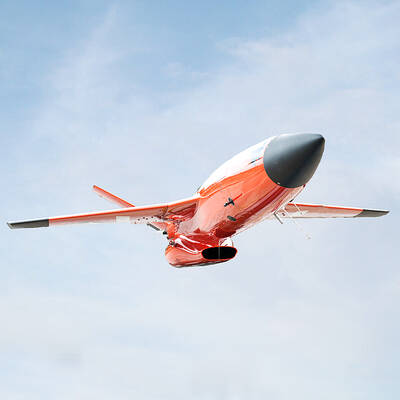
The Chien Feng IV (勁蜂, Mighty Hornet) loitering munition is on track to enter flight tests next month in connection with potential adoption by Taiwanese and US armed forces, a government source said yesterday. The kamikaze drone, which boasts a range of 1,000km, debuted at the Taipei Aerospace and Defense Technology Exhibition in September, the official said on condition of anonymity. The Chungshan Institute of Science and Technology and US-based Kratos Defense jointly developed the platform by leveraging the engine and airframe of the latter’s MQM-178 Firejet target drone, they said. The uncrewed aerial vehicle is designed to utilize an artificial intelligence computer
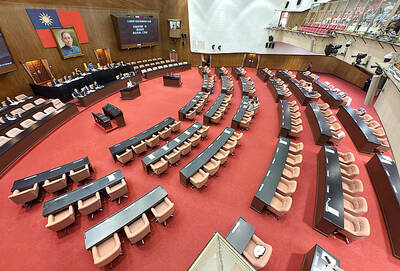
The Chinese Nationalist Party (KMT) caucus yesterday decided to shelve proposed legislation that would give elected officials full control over their stipends, saying it would wait for a consensus to be reached before acting. KMT Legislator Chen Yu-jen (陳玉珍) last week proposed amendments to the Organic Act of the Legislative Yuan (立法院組織法) and the Regulations on Allowances for Elected Representatives and Subsidies for Village Chiefs (地方民意代表費用支給及村里長事務補助費補助條例), which would give legislators and councilors the freedom to use their allowances without providing invoices for reimbursement. The proposal immediately drew criticism, amid reports that several legislators face possible charges of embezzling fees intended to pay

REQUIREMENTS: The US defense secretary must submit a Taiwan security assistance road map and an appraisal of Washington’s ability to respond to Indo-Pacific conflict The US Congress has released a new draft of the National Defense Authorization Act (NDAA), which includes up to US$1 billion in funding for Taiwan-related security cooperation next year. The version published on Sunday by US House of Representatives Speaker Mike Johnson removed earlier language that would have invited Taiwan to participate in the US-led Rim of the Pacific Exercise (RIMPAC). A statement on Johnson’s Web page said the NDAA “enhances U.S. defense initiatives in the Indo-Pacific to bolster Taiwan’s defense and support Indo-Pacific allies.” The bill would require the US secretary of defense to “enable fielding of uncrewed and anti-uncrewed systems capabilities”

Renewed border fighting between Thailand and Cambodia showed no signs of abating yesterday, leaving hundreds of thousands of displaced people in both countries living in strained conditions as more flooded into temporary shelters. Reporters on the Thai side of the border heard sounds of outgoing, indirect fire yesterday. About 400,000 people have been evacuated from affected areas in Thailand and about 700 schools closed while fighting was ongoing in four border provinces, said Thai Rear Admiral Surasant Kongsiri, a spokesman for the military. Cambodia evacuated more than 127,000 villagers and closed hundreds of schools, the Thai Ministry of Defense said. Thailand’s military announced that


 RSS
RSS