


A worker at Japan’s crippled Fukushima Dai-ichi nuclear plant has died of a heart attack, the operator said yesterday, the fifth death at the power station since it was hit by a tsunami in March last year.
Tokyo Electric Power Co said the man, who was in his 50s, suffered a cardiac arrest on Wednesday while working on the installation of a tank to store contaminated water.
He was confirmed dead by hospital doctors, company spokesman Jun Oshima said, adding it was not believed radiation from the broken reactors had played a part.
“As far as we know, he is the fifth person to have died after falling sick during work at the plant since the accident,” Oshima said.
“It doesn’t seem that there was a causal link between his death and radiation because he died of a heart attack,” he said.
The cumulative radiation dose the worker received was measured at 25.24 millisieverts, he said.
Under Japanese regulations, nuclear plant workers can be exposed to a maximum of 50 millisieverts annually and 100 millisieverts total in five years. Asked whether the fatality rate at Fukushima Dai-ichi was higher than at other nuclear plants, Oshima said direct comparisons were difficult to make, citing the large number of employees and the different nature of the work.
About 3,000 workers are engaged in decommissioning the crippled plant. Much of the work is physically demanding construction work, in contrast to the less exacting operation and inspection required at functioning nuclear plants, the spokesman said.
The quake-sparked tsunami last year knocked out cooling systems at the nuclear power plant, causing three reactors to go into meltdown in the world’s worst atomic disaster for 25 years.
Nobody is officially recorded as having died as a direct result of the radiation released in the disaster.

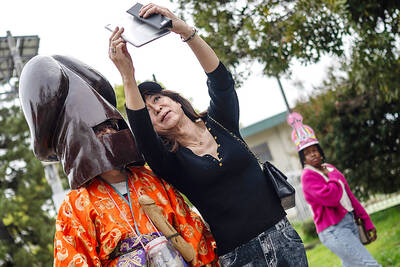
Showcasing phallus-shaped portable shrines and pink penis candies, Japan’s annual fertility festival yesterday teemed with tourists, couples and families elated by its open display of sex. The spring Kanamara Matsuri near Tokyo features colorfully dressed worshipers carrying a trio of giant phallic-shaped objects as they parade through the street with glee. The festival, as legend has it, honors a local blacksmith in the Edo Period (1603-1868) who forged an iron dildo to break the teeth of a sharp-toothed demon inhabiting a woman’s vagina that had been castrating young men on their wedding nights. A 1m black steel phallus sits in the courtyard of

JAN. 1 CLAUSE: As military service is voluntary, applications for permission to stay abroad for over three months for men up to age 45 must, in principle, be granted A little-noticed clause in sweeping changes to Germany’s military service policy has triggered an uproar after it emerged that the law requires men aged up to 45 to get permission from the armed forces before any significant stay abroad, even in peacetime. The legislation, which went into effect on Jan. 1 aims to bolster the military and demands all 18-year-old men fill out a questionnaire to gauge their suitability to serve in the armed forces, but stops short of conscription. If the “modernized” model fails to pull in enough recruits, parliament will be compelled to discuss the reintroduction of compulsory service, German
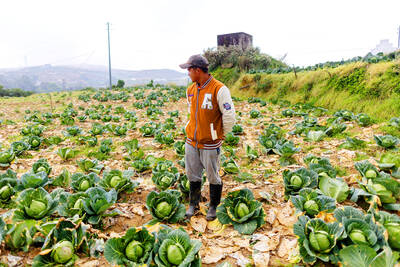
Filipino farmers like Romeo Wagayan have been left with little choice but to let their vegetables rot in the field rather than sell them at a loss, as rising oil prices linked to the Iran war drive up the cost of harvesting, labor and transport. “There’s nothing we can do,” said Wagayan, a 57-year old vegetable farmer in the northern Philippine province of Benguet. “If we harvest it, our losses only increase because of labor, transportation and packing costs. We don’t earn anything from it. That’s why we decided not to harvest at all,” he said. Soaring costs caused by the Middle East
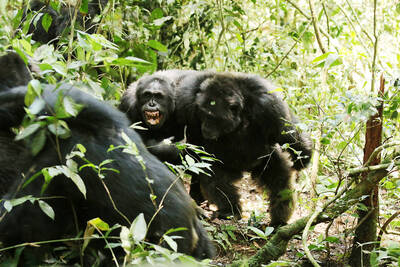
For two decades, researchers observed members of the Ngogo chimpanzee group of Kibale National Park in Uganda spend their days eating fruits and leaves, resting, traveling and grooming in their tropical rainforest abode, but this stable community then fractured and descended into years of deadly violence. The researchers are now describing the first clearly documented example of a group of wild chimpanzees splitting into two separate factions, with one launching a series of coordinated attacks against the other. Adult males and infants were targeted, with 28 deaths. “Biting, pounding the victim with their hands, dragging them, kicking them — mostly adult males,


 RSS
RSS