


They may consider it a harmless tipple or the basis of a good night out, but millions of Australians face the lifelong hangover of brain damage because of their drinking, health experts warned yesterday.
Alcohol-treatment group Arbias said as many as 2 million Australians may be at risk of permanent brain damage from heavy drinking, while more than 200,000 were living with the condition undiagnosed.
The group, which is supported by top agencies such as the Australian Drug Foundation and the Mental Health Council of Australia, said that new research demonstrated people had little idea of the dangers of drinking.
It said a survey it commissioned found that most drinkers were unaware at what point their boozing could lead to a permanent hangover, and many wildly under-estimated how many drinks could cause lifelong harm.
Arbias' Sonia Berton said current drinking levels, combined with ignorance of the dangers, could see an entire generation of Australians brain-damaged by alcohol.
"This is a public health crisis that is looming and it is not a question of how much you have to drink to sustain an alcohol-related brain injury, it's a question of how little," she said.
"Because Australia has moved to becoming a binge drinking culture, something has to be done." she said.
The national statistics office said that the average Australian over 15 downs the equivalent of 9.8 liters of pure alcohol a year.
Arbias says six or more drinks per day for men over a period of eight to 10 years, and three or more for women, puts them at risk of alcohol-related brain damage.
The research found that almost 70 percent of men and close to 60 percent of women had little idea of the level at which the risks set in.
The findings for young men were particularly pronounced, with about 20 percent of those aged between 14 and 17 of the opinion that you would need to consume more than 21 standard drinks a day to risk permanent damage.
Neuropsychologist Martin Jackson, an Arbias board member, said that because people suffer brain damage long before they get sick, they have often already lost jobs, families and some ability to reason before they seek treatment.
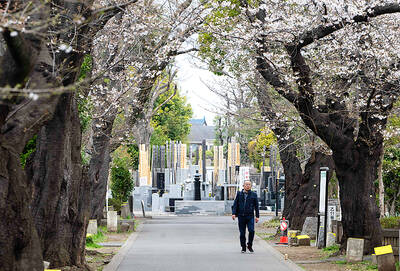
ROCKY RELATIONS: The figures on residents come as Chinese tourist numbers drop following Beijing’s warnings to avoid traveling to Japan The number of Chinese residents in Japan has continued to rise, even as ties between the two countries have become increasingly fractious, data released on Friday showed. As of the end of December last year, the number of Chinese residents had increased by 6.5 percent from the previous year to 930,428. Chinese people accounted for 22.6 percent of all foreign residents in Japan, making them by far the largest group, Japanese Ministry of Justice data showed. Beijing has criticized Tokyo in increasingly strident terms since Japanese Prime Minister Sanae Takaichi last year suggested that a military conflict around Taiwan could

A pro-Iran hacking group claimed to breach FBI Director Kash Patel’s personal e-mail inbox and posted some of the contents online. The e-mails provided by the hacking group include travel details, correspondence with leasing agents in Washington and global entry, and loyalty account numbers. The e-mail address the hackers claim to have compromised has been previously tied to Patel’s personal details, and the leaked e-mails contain photos of Patel and others, in addition to correspondence with family members and colleagues. “The FBI is aware of malicious actors targeting Director Patel’s personal email information,” the agency said in a statement on
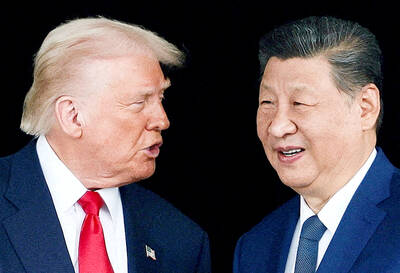
RIVALRY: ‘We know that these are merely symbolic investigations initiated by China, which is in fact the world’s most profligate disrupter of supply chains,’ a US official said China has started a pair of investigations into US trade practices, retaliating against similar probes by US President Donald Trump’s administration as the superpowers stake out positions before an expected presidential summit in May. The move, announced by the Chinese Ministry of Commerce on Friday, is a direct mirror of steps Trump took to revive his tariff agenda after the US Supreme Court last month struck down some of his duties. “China expresses its strong dissatisfaction and firm opposition to these actions,” a ministry spokesperson said in a statement, referring to the so-called Section 301 investigations initiated on March 11.

When a hiker fell from a 55m waterfall in wild New Zealand bush, rescuers were forced to evacuate the badly hurt woman without her dog, which could not be found. After strangers raised thousands of dollars for a search, border collie Molly was flown to safety by a helicopter pilot who was determined to reunite the pet and the owner. A week earlier, an emergency rescue helicopter found the woman with bruises and lacerations after a fall at a rocky spot at the waterfall on the South Island’s West Coast. She was airlifted on March 24, but they were forced to


 RSS
RSS