


In the late 1960s, anguished former US president Lyndon Johnson sought advice from a respected elder statesman on the Vietnam quagmire. In part because of the counsel of former secretary of state Dean Acheson, a onetime hawk turned skeptic on the war, Johnson shifted course in 1968, halting the bombing of North Vietnam and announcing he would not run for re-election.
The analogy is far from perfect, but Republicans and Democrats are seeing parallels between the quiet designation last month of former secretary of state James Baker III to head up a congressionally mandated effort to generate new ideas on Iraq and the role of Acheson, who had served under president Harry Truman.
Baker, a longtime confidant of the first president George Bush who has maintained a close but complicated relationship with the current president, plans to travel to Baghdad and the region to meet with heads of state on a fact-finding mission.
"If you had a health problem, you'd want somebody to give you a second opinion," said Republican Frank Wolf, an influential Virginia Republican who helped recruit Baker for the job.
"What the United States needs on Iraq is some fresh ideas from people able to speak out, and no one is more qualified to do that than Jim Baker," he added.
An official involved in enlisting Baker, who was granted anonymity because Baker has asked those associated with the effort not to speak to the news media, said it would be a mistake to think that he could find a silver bullet to help the administration.
"How Baker comes at this will be crucial," this official said. "He's a very shrewd fellow who doesn't want to be window dressing. He could come up with nothing, or it could be a very big deal."
At a time of growing US disenchantment with the war, the choice of Baker to head what is called the Iraq Study Group is seen as the most telling sign yet of the administration's willingness to admit that it needs help in weighing its options and generating public support for them.
People close to Baker say that he was extremely concerned about being seen as second-guessing President George W. Bush's foreign policy aides and made sure of Bush's approval in person before he took on the job.
Baker declined to be inter-viewed, but at a news conference this month, he said it was not his intention to engage in "hand-wringing about the past" but to focus on the path ahead "on a bipartisan basis in the hope that we can come up with some advice and insights that might be useful to the policymakers in Washington."
He is co-chairman of the group along with Lee Hamilton, a Democrat and former congressman who served as vice chairman of the 9/11 Commission.

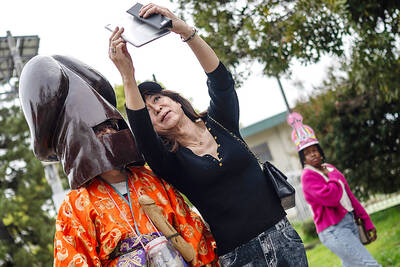
Showcasing phallus-shaped portable shrines and pink penis candies, Japan’s annual fertility festival yesterday teemed with tourists, couples and families elated by its open display of sex. The spring Kanamara Matsuri near Tokyo features colorfully dressed worshipers carrying a trio of giant phallic-shaped objects as they parade through the street with glee. The festival, as legend has it, honors a local blacksmith in the Edo Period (1603-1868) who forged an iron dildo to break the teeth of a sharp-toothed demon inhabiting a woman’s vagina that had been castrating young men on their wedding nights. A 1m black steel phallus sits in the courtyard of
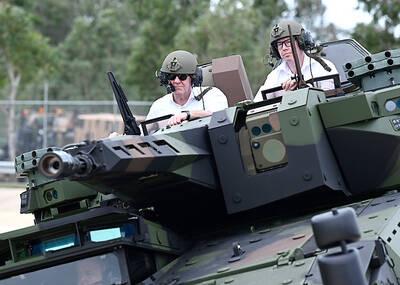
JAN. 1 CLAUSE: As military service is voluntary, applications for permission to stay abroad for over three months for men up to age 45 must, in principle, be granted A little-noticed clause in sweeping changes to Germany’s military service policy has triggered an uproar after it emerged that the law requires men aged up to 45 to get permission from the armed forces before any significant stay abroad, even in peacetime. The legislation, which went into effect on Jan. 1 aims to bolster the military and demands all 18-year-old men fill out a questionnaire to gauge their suitability to serve in the armed forces, but stops short of conscription. If the “modernized” model fails to pull in enough recruits, parliament will be compelled to discuss the reintroduction of compulsory service, German
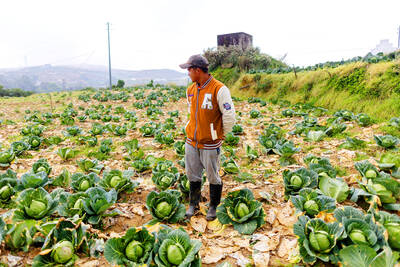
Filipino farmers like Romeo Wagayan have been left with little choice but to let their vegetables rot in the field rather than sell them at a loss, as rising oil prices linked to the Iran war drive up the cost of harvesting, labor and transport. “There’s nothing we can do,” said Wagayan, a 57-year old vegetable farmer in the northern Philippine province of Benguet. “If we harvest it, our losses only increase because of labor, transportation and packing costs. We don’t earn anything from it. That’s why we decided not to harvest at all,” he said. Soaring costs caused by the Middle East
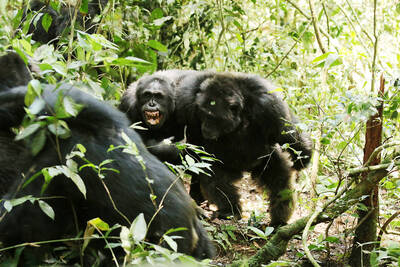
For two decades, researchers observed members of the Ngogo chimpanzee group of Kibale National Park in Uganda spend their days eating fruits and leaves, resting, traveling and grooming in their tropical rainforest abode, but this stable community then fractured and descended into years of deadly violence. The researchers are now describing the first clearly documented example of a group of wild chimpanzees splitting into two separate factions, with one launching a series of coordinated attacks against the other. Adult males and infants were targeted, with 28 deaths. “Biting, pounding the victim with their hands, dragging them, kicking them — mostly adult males,


 RSS
RSS