


Iraq's landmark January polls looked set to take place as planned, although ongoing violence yesterday did nothing to alleviate the security concerns of the proponents of a delay.
Yet another car bomb exploded on Baghdad's perilous airport road, while US patrols in Mosul yielded their grim daily crop of bodies as insurgents continue to intimidate the population in the northern city ahead of the elections.
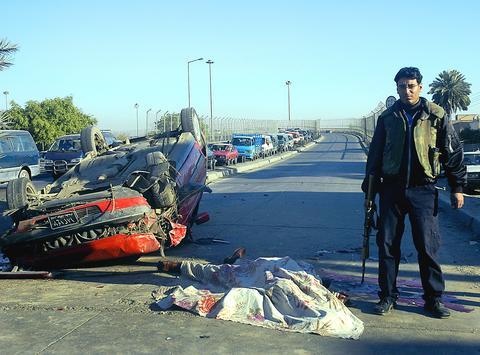
PHOTO: AP
"There were 17 bodies discovered on Saturday -- in addition to the 15 discovered the day prior," Lieutenant Colonel Paul Hastings said.
This brought to at least 57 the number of bodies, mostly belonging to members of Iraq's security forces, found in the city since Nov. 19.
Iraqi and US forces, which have been involved a vast operation to root out the insurgency in Mosul for more than a week, arrested 43 suspects on Saturday alone, a US military statement said.
The headquarters of the Patriotic Union of Kurdistan party in western Mosul were attacked by gunmen in a car, a security official said. Guards fired back, wounding one of the attackers.
A car bomb exploded on the road leading to the airport road in Baghdad, wounding two soldiers and damaging a military vehicle, the US military said in a statement.
Meanwhile US-led troops continued to sweep insurgent strongholds across the country, arresting more than 100 suspects since the start of the five-day-old crackdown in the lawless badlands south of Baghdad.
US forces, backed by British and Iraqi troops, regained control of the town of Latifiyah, which had been a no-go zone for months and earned the nickname of "Fallujah's second name."
US marines were still clearing Fallujah, three weeks after they launched the largest post-war military operation in Iraq, in a bid to reclaim insurgent-held areas ahead of the elections.
Several leading parties on Friday agreed on a statement demanding the elections -- the country's first free and multi-party vote in half a century -- be postponed by six months because the security conditions were not met.
But most of the relevant authorities rejected the idea and said everything would be done to hold the elections on Jan. 30, as scheduled.
"Postponing the elections is out of the question," electoral commission chairman Abdel Hussein al-Hindawi said Saturday after examining a request submitted a day earlier by 17 organizations, including 10 major parties.
"As far as we are concerned, the elections will be held at the date scheduled by the fundamental law," the commission chairman said Saturday. "In theory, the elections cannot be postponed, bar a political disaster."
Senior secular Sunni statesman Adnan Pachachi, who led the drive to delay the polls, stressed that the movements demanding a postponement would not necessarily boycott the vote if their request was rejected.
He also vowed that further delay requests would not be put forward, but did not specify which parties had decided to take part in the ballot and which ones were pulling out.
A government spokesman said later that the interim administration -- which has been accused to seeking to cling to power -- remained determined to hold the polls on time.
The country's majority Shiite community also came out strongly against delaying the vote, which they are expected to dominate -- putting an end to decades of a Sunni dominance which culminated under deposed leader Saddam Hussein.
"The Marajiy [religious Shiite leaders in Najaf] think a postponement of the elections would be unacceptable," a spokesman in the holy Shiite city said.
He said he was speaking in the name of all four leaders, including the influential Grand Ayatollah Ali al-Sistani, the highest Shiite authority in Iraq.
Further indicating that the elections remained on target, the top US official in Iraq, Ambassador John Negroponte, said he was in favor of respecting the country's interim constitution, which says clearly that under no circumstances can the elections be held after Jan. 31.
"We believe there will be adequate security for these elections to be held on Jan. 30," he said during a visit to the city of Fallujah, which saw the largest post-war military operation in Iraq when US and Iraqi forces thrust into the area on Nov. 8.
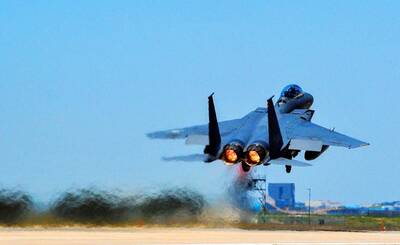
South Korea’s air force yesterday apologized for a 2021 midair collision involving two fighter jets, a day after auditors said the pilots were taking selfies and filming during the flight and held them responsible for the accident. “We sincerely apologize to the public for the concern caused by the accident that occurred in 2021,” an air force spokesman told a news conference, adding that one of the pilots involved had been suspended from flying duties, received severe disciplinary action and has since left the military. The apology followed a report released on Wednesday by the South Korean Board of Audit and Inspection,
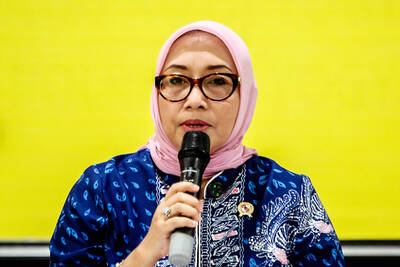
Indonesian police have arrested 13 people after shocking images of alleged abuse against small children at a daycare center went viral, sparking outrage across the nation, officials said on Monday. Police on Friday last week raided Little Aresha, a daycare center in Yogyakarta on Java island, following a report from a former employee. CCTV footage circulating on social media showed children, most younger than two, lying on the floor wearing only diapers, their hands and feet bound with rags. The police have confirmed that the footage is authentic. Police said they also found 20 children crammed into a room just 3m by 3m. “So
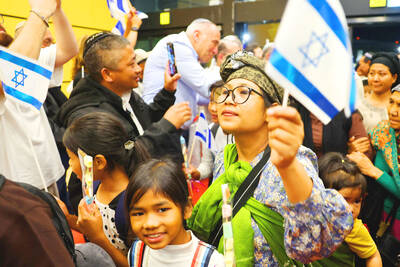
About 240 Indians claiming descent from a Biblical tribe landed at Tel Aviv airport on Thursday as part of a government operation to relocate them to Israel. The newcomers passed under a balloon arch in blue and white, the colors of the Israeli flag, as dozens of well-wishers welcomed them with a traditional Jewish song. They were the first “bnei Menashe” (“sons of Manasseh”) to arrive in Israel since the government in November last year announced funding for the immigration of about 6,000 members of the community from the states of Manipur and Mizoram in northeast India. The community claims to descend from
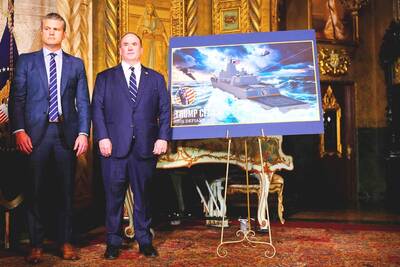
‘TROUBLING’: The firing of Phelan, who was an adviser to a nonprofit that supported the defense of Taiwan, was another example of ‘dysfunction’ under Trump, a US senator said US Secretary of the Navy John Phelan has been fired, a US official and a person familiar with the matter said on Wednesday, in another wartime shakeup at the Pentagon coming just weeks after US Secretary of Defense Pete Hegseth ousted the Army’s top general. The Pentagon announced his departure in a brief statement, saying he was leaving the administration “effective immediately,” but it did not provide a reason or say whether it was his decision to go. The sources, who spoke on condition of anonymity, said Phelan was dismissed in part because he was moving too slowly to implement reforms to


 RSS
RSS