


The Environmental Protection Administration (EPA) yesterday said that it received an application from Taiwan Power Co (Taipower) to scrap environmental impact assessment (EIA) approvals for the Shenao power plant.
The original Shenao plant in New Taipei City’s Rueifang District (瑞芳) was decommissioned in 2007 and demolished in 2011, but a proposal by the state-run utility to build a new plant at the site passed an EIA in 2006.
While the plan also passed an EIA in May, Premier William Lai (賴清德) last week said that the project would be shelved, given that the nation’s power supply would be ensured after CPC Corp, Taiwan’s third liquefied natural gas terminal passed an EIA on Oct. 8.
Minister of Economic Affairs Shen Jong-chin (沈榮津) on Monday said the ministry would revoke the Shenao EIAs within two months.
However, reports have said that the Democratic Progressive Party government is taking advantage of the Shenao issue to boost its election prospects in New Taipei City and might change its attitude after the Nov. 24 nine-in-one elections.
EPA Department of Comprehensive Planning Deputy Director-General Wu Pei-yu (吳珮瑜) said that the ministry yesterday forwarded Taipower’s application to revoke the Shenao EIA approvals from 2006 and this year.
The EPA would start procedures in line with Article 123-4 of the Administrative Procedure Act (行政程序法) and on Tuesday would send officials to examine the site, Wu said.
After that, the agency would formally announce its decision to revoke the approvals and send documents to notify the ministry and the utility, she said.

Taiwanese can file complaints with the Tourism Administration to report travel agencies if their activities caused termination of a person’s citizenship, Mainland Affairs Council Minister Chiu Chui-cheng (邱垂正) said yesterday, after a podcaster highlighted a case in which a person’s citizenship was canceled for receiving a single-use Chinese passport to enter Russia. The council is aware of incidents in which people who signed up through Chinese travel agencies for tours of Russia were told they could obtain Russian visas and fast-track border clearance, Chiu told reporters on the sidelines of an event in Taipei. However, the travel agencies actually applied

Japanese footwear brand Onitsuka Tiger today issued a public apology and said it has suspended an employee amid allegations that the staff member discriminated against a Vietnamese customer at its Taipei 101 store. Posting on the social media platform Threads yesterday, a user said that an employee at the store said that “those shoes are very expensive” when her friend, who is a migrant worker from Vietnam, asked for assistance. The employee then ignored her until she asked again, to which she replied: "We don't have a size 37." The post had amassed nearly 26,000 likes and 916 comments as of this

New measures aimed at making Taiwan more attractive to foreign professionals came into effect this month, the National Development Council said yesterday. Among the changes, international students at Taiwanese universities would be able to work in Taiwan without a work permit in the two years after they graduate, explainer materials provided by the council said. In addition, foreign nationals who graduated from one of the world’s top 200 universities within the past five years can also apply for a two-year open work permit. Previously, those graduates would have needed to apply for a work permit using point-based criteria or have a Taiwanese company
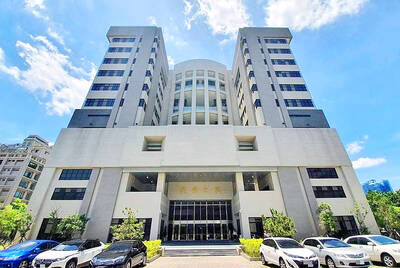
The Shilin District Prosecutors’ Office yesterday indicted two Taiwanese and issued a wanted notice for Pete Liu (劉作虎), founder of Shenzhen-based smartphone manufacturer OnePlus Technology Co (萬普拉斯科技), for allegedly contravening the Act Governing Relations Between the People of the Taiwan Area and the Mainland Area (臺灣地區與大陸地區人民關係條例) by poaching 70 engineers in Taiwan. Liu allegedly traveled to Taiwan at the end of 2014 and met with a Taiwanese man surnamed Lin (林) to discuss establishing a mobile software research and development (R&D) team in Taiwan, prosecutors said. Without approval from the government, Lin, following Liu’s instructions, recruited more than 70 software


 RSS
RSS