


The Child Welfare League Foundation has called for stricter laws to prevent the selling of babies, noting that at least 362 children have been sold in the past decade.
Current regulations aren't tough enough, the foundation said last week, adding that most of those convicted for baby-selling received light punishments and retained their medical licenses.
The foundation called for stricter punishments for violators of the Medical Treatment Law (
The foundation analyzed news stories about baby-selling cases from 1996 to this year and found that only 14 major cases had been solved by the police.
The amount of money exchanged in the cases was estimated to total NT$1.3 billion (US$39.4 million), with an average price of NT$360,000 per child, the foundation said at a press conference last week.
Baby boys cost more than baby girls because more people want boys, the foundation said.
Foundation chief executive officer Wang Yu-min (王育敏) said that based on her group's experience, pregnant minors usually give up their babies because of financial difficulties, career hopes or family disapproval.
"These children supply the baby-selling market," she said.
She said many of those involved in the sales were medical professionals because it was easy for them to issue fake birth certificates or guarantee the babies' health to buyers, Wang said.
"This attracts many couples who do not wish to reveal a child's true identity even though they have paid high prices for them. [That is why] the sellers usually revert to their previous employment after leaving prison," she said.
The foundation said 91.9 percent of the cases it reviewed occured in Taipei.
The anonymity and convenience of the Internet might make it a new channel for selling children, the foundation warned.
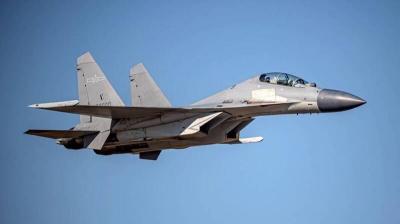
Eight Chinese naval vessels and 24 military aircraft were detected crossing the median line of the Taiwan Strait between 6am yesterday and 6am today, the Ministry of National Defense said this morning. The aircraft entered Taiwan’s northern, central, southwestern and eastern air defense identification zones, the ministry said. The armed forces responded with mission aircraft, naval vessels and shore-based missile systems to closely monitor the situation, it added. Eight naval vessels, one official ship and 36 aircraft sorties were spotted in total, the ministry said.
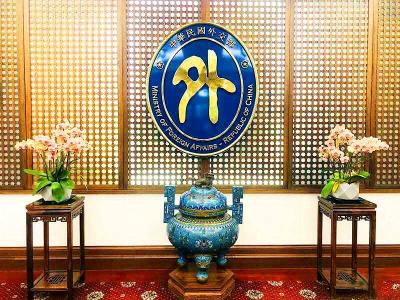
The Ministry of Foreign Affairs (MOFA) today said that if South Korea does not reply appropriately to its request to correct Taiwan’s name on its e-Arrival card system before March 31, it would take corresponding measures to alter how South Korea is labeled on the online Taiwan Arrival Card system. South Korea’s e-Arrival card system lists Taiwan as “China (Taiwan)” in the “point of departure” and “next destination” fields. The ministry said that it changed the nationality for South Koreans on Taiwan’s Alien Resident Certificates from “Korea” to “South Korea” on March 1, in a gesture of goodwill and based on the
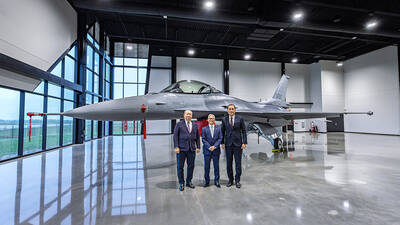
Taiwanese officials were shown the first of 66 F-16V fighter jets purchased by Taiwan from the United States, the Ministry of National Defense said yesterday, adding the aircraft has completed an initial flight test and is expected to be delivered later this year. A delegation led by Deputy Minister of National Defense Hsu Szu-chien (徐斯儉) visited Lockheed Martin’s F-16 C/D Block 70 (also known as F-16V) assembly line in South Carolina on March 16 to view the aircraft. The jet will undergo a final acceptance flight in the US before being delivered to Taiwan, the
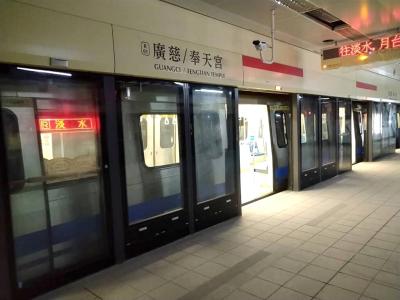
The New Taipei Metro's Sanyin Line and the eastern extension of the Taipei Metro's Tamsui-Xinyi Line (Red Line) are scheduled to begin operations in June, the National Development Council said today. The Red Line, which terminates at Xiangshan Station, would be connected by the 1.4km extension to a new eastern terminal, Guangci/Fengtian Temple Station, while the Sanyin Line would link New Taipei City's Tucheng and Yingge stations via Sanxia District (三峽). The council gave the updates at a council meeting reviewing progress on public construction projects for this year. Taiwan's annual public infrastructure budget would remain at NT$800 billion (US$25.08 billion), with NT$97.3


 RSS
RSS