


If you ask any Taiwanese person about rice cookers, nine times out of ten the conversation will quickly turn to “Tatung dianguo.” As Hoover is to vacuum cleaners and Biro is to ballpoint pens in the West, in Taiwan the name Tatung dianguo is synonymous with rice cookers. Its manufacturer, Tatung Co, is a major Taiwanese electronics conglomerate and home appliances brand headquartered in Taipei’s Zhongshan District. This year, Tatung is celebrating its centenary.
Originally called Hsieh Chih Business Enterprise, Tatung was established in 1918 during the Japanese colonial era by the company’s first chairman Lim Shih-tsao, also known by the courtesy name Siong-chi, and several business partners.
The company initially started out in construction, completing over 600 projects including Taipei City Hall (today the Executive Yuan building) in Taipei.
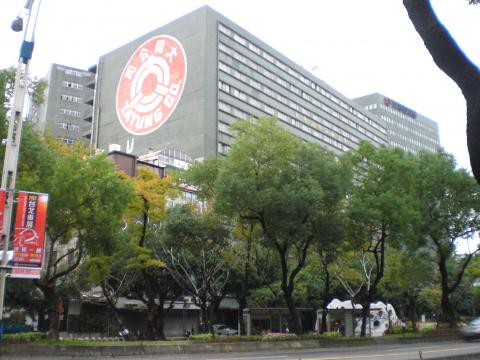
Photo: AP
照片:美聯社
In the late 1930s, Hsieh Chih Business was transformed into Tatung Iron Works and expanded into heavy industry, while also founding Tatung Vocational Industrial Primary High School (later renamed Tatung High School) in Taipei. By the late 1940s, Tatung began to produce home appliances, and was the first company in Taiwan to manufacture electric fans. Mass production of the iconic Tatung rice cooker commenced in 1960 and the company is still producing them to this day.
The prototype of the Tatung rice cooker, whose design has barely changed over the years, was actually based on a 1940s design developed by Toshiba Corp, the first company in the world to successfully bring an electric rice cooker into commercial production. Similar to many Taiwanese companies at the time, Tatung was actually producing a counterfeit version of Toshiba’s rice cooker but, afforded protections by the government, the company entered into a “technical partnership” with Toshiba.
Tatung’s rice cooker became popular largely through word of mouth, with users praising its ease of use, durability and automated set-and-forget functionality, which meant housewives no longer needed to stand over the rice pot during cooking.
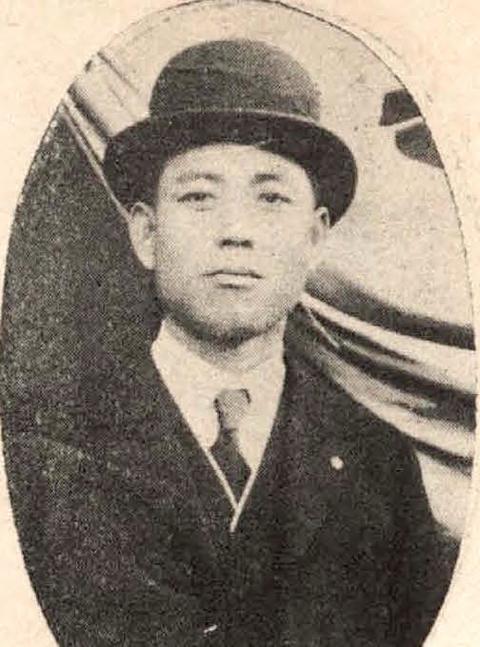
Photo: Wikimedia Commons
照片:維基共享資源
In fact, “rice cooker” is really a misnomer since, in addition to steaming rice, the electric cooking pot has been adapted by Taiwanese cooks to a variety of other culinary uses, including cooking noodles, steaming dumplings, making hotpot or soup and even grilling steaks and sausages. One could say that while Tatung may have skimped on R&D in comparison to rival Japanese manufacturers, the ingenuity of Taiwanese cooks has kept its bare-bones rice cooker alive through the years.
Today, the Tatung dianguo has become an essential item for Taiwanese students studying abroad on a tight budget, and most Taiwanese mothers won’t feel content unless they’ve managed to ram one into the luggage of their son or daughter. But the Tatung dianguo is also an indispensable travel item for many Taiwanese tourists on an extended tour of Europe or the US, allowing them to rustle up a tummy-filling bowl of rice or noodles in their hotel room after braving the unfamiliar flavors and dreaded raw salads of foreign cuisine.
After the runaway commercial success of its electric rice cooker, Tatung went on to develop and produce a range of other household appliances including televisions, refrigerators and air conditioners. Tatung has evolved into a multinational conglomerate investing in a range of industries including green energy, the Internet of Things and smart healthcare. However, for most Taiwanese, Tatung remains synonymous with one thing: that unremarkable — yet most indispensable — of kitchen companions, the humble rice cooker.

Photo: CNA
照片:中央社
(Edward Jones, Taipei Times)
如果你向任何一位台灣人問到電鍋,對話十之八九都會很快轉向「大同電鍋」。正如同在西方用「Hoover」稱吸塵器,以及用「Biro」來稱原子筆一樣,大同電鍋在台灣幾乎就是電鍋的代名詞。其製造商「大同公司」是台灣首屈一指的電子工業綜合企業,也是家電產品的知名品牌。總部設於台北市中山區的大同公司,今年正要慶祝一百歲生日。
大同公司的前身可追溯到日治時期由第一任董事長林?灶(字尚志)和其他幾位商業合夥人於西元一九一八年創立的「協志商號」。
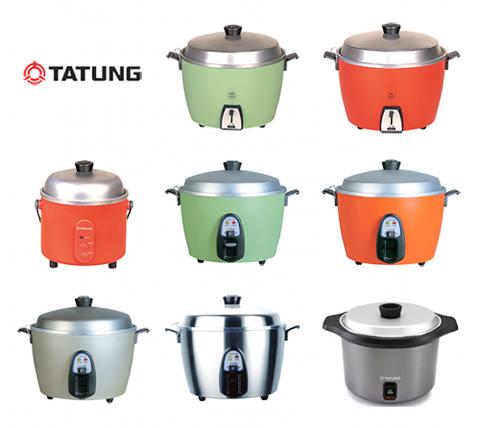
Photo: Screen grab from the Internet
照片:取材自網路
該商號最初以建築業發跡,完成超過六百項建築工程的興建,其中包括台北市役所(今日的行政院中央大樓)。
一九三○年代後期,協志商號改組為「株式會社大同鐵工所」,擴展經營到重工業領域,同時創立大同初級工業職業學校(即今臺北市私立大同高級中學)。到了一九四○年代晚期,大同公司開始從事家電生產,更成為台灣第一間製造電風扇的公司。最具公司代表性的大同電鍋則從一九六○年代開始進入大量生產,直到今天仍然不曾中斷。
多年來幾乎沒有改變過設計的大同電鍋,原型其實來自全球第一個成功將電鍋進行商業化生產的東芝公司,於一九四○年代發明的設計。正如同當時的許多台灣公司,大同其實生產的是東芝電鍋的「模仿」版,但因為獲得政府提供保護,遂順利和東芝開展「技術合作」。
大同公司的電鍋主要是藉由口碑相傳逐漸受到大眾歡迎,使用者多稱讚該產品容易操作、耐用度高,以及設定好就自動執行的功能,這也表示家庭主婦們煮飯時不再需要守在旁邊。
不過,電鍋在英文字面上被翻譯為「煮飯鍋」,其用詞實非恰當,畢竟除了將米蒸熟以外,這種電熱式烹煮鍋具早已被台灣人運用於各式各樣的料理用途,包括煮麵、蒸餃子、煮火鍋或煲湯,甚至還能用來煎牛排跟香腸。或許我們可以說,相較於日本的競爭對手,大同公司當年可能省去了研發的成本,但是台灣廚師們層出不窮的獨特創意,讓這個構造相當陽春的煮飯鍋多年來不曾消失於貨架上。
今天,大同電鍋已成為阮囊羞澀的台灣學生出國念書時的必需品,大多數母親也總是要在子女的行囊中塞進一個電鍋後才能放心。大同電鍋同時也是許多台灣旅客自助前往歐美長期旅行時的必備物品:勇敢面對外國料理可怕的生食、沙拉,以及陌生的味道後,還可以回到飯店房間裡迅速變出一碗填飽肚子又溫暖心靈的米飯或麵條。
在電鍋獲得巨大的商業成功後,大同公司持續研發和生產一系列的家電產品,其中包括電視、冰箱,還有空調設備等。多年來,大同已然進化成為一間跨國企業集團,投資綠能、物聯網、智慧醫療等眾多產業。不過,對大多數台灣人而言,「大同」這個名字最快讓人聯想到的仍然只有一個東西──就是那台廚房裡面不起眼卻又不可或缺的電鍋。
(台北時報章厚明譯)
Follow up
讀後練習
Allegations of embezzlement
Tatung hit the headlines for all the wrong reasons in August last year after Taiwan High Court sentenced the company’s then-chairman Lin Wei-shan (林蔚山) to an eight-year prison term and handed him a NT$300 million (US$9.73 million) fine for misappropriating his company’s assets through investments and fake transactions.
Prosecutors found Lin funneled funds from a subsidiary of Tatung to pay off a NT$2 billion loan owed by Nature Worldwide Technology Corp (通達), a female friend’s computer development company in which Lin had invested personally.
Lin resigned from his post as company chairman in February following pressure from shareholders, but fiercely disputes the court’s ruling and has vowed to clear his name, and has accused Nature Worldwide Technology founder Chou Yun-nan (周雲楠) of embezzling the funds. Lin has launched an appeal to the Supreme Court to overturn the High Court’s ruling. The case continues.
(Edward Jones, Taipei Times)
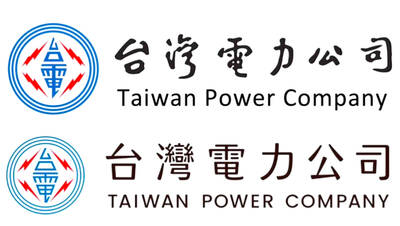
The debate surrounding Taipower’s recent corporate identity reboot has gone well beyond the design community. The controversy began after Taipower replaced the familiar “Taiwan Power Company” wording — widely regarded as the calligraphy of Yu You-ren (1879-1964), former Control Yuan president and master calligrapher — with a modern logotype by designer Aaron Nieh’s team, Aaron Nieh Workshop. Taipower said the change was not a wholesale replacement of old signage, but an “optimization of its identity system,” aimed at meeting the needs of digital media, electronic bills, apps, social media graphics and various small-format applications. Existing physical markings, such as building

Since 2005, the third Monday in January has come to be known as “Blue Monday.” In other words, that day is believed to be the most depressing day of the year. This concept seems logical at first. After all, Monday marks the start of the school or workweek after two days of rest and fun. Also, blue is a color that is often associated with sadness. Furthermore, in many parts of the world, January is a time when the weather is cold, rainy, and gloomy. But is there any scientific proof that this January day is truly sadder than any of

Continued from yesterday(延續自昨日) https://www.taipeitimes.com/News/lang For the most part, the idea of “Blue Monday” has been rejected as a myth. Some mental health experts also say there is a danger in labeling a certain day as the most depressing time of the entire year. Some argue that if people expect to feel sadder on the third Monday in January, this belief alone may increase their anxiety. One group that is worried about the negative effect of believing in Blue Monday is Samaritans. A mental health charity based in the UK, Samaritans is working to turn Blue Monday into “Brew Monday.” In this
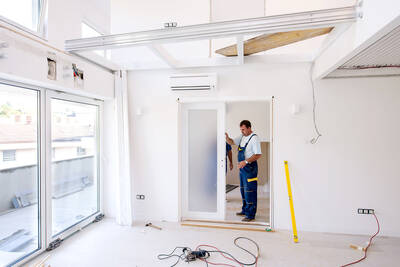
1. 他兩天後回來。 ˇ He will return in two days. χ He will return after two days. 註︰從現在開始,說「多久以後」,應該用 in,不用 after,例如: He plans to finish the work in three months. I am sure we will hear from him in a few days. 請注意 in a few days、in three months 許多人誤以為是「幾天內」、「三個月內」,其實是「幾天後」、「三個月後」。 如指「某個時刻或日期或事件以後」,可用 after。例如: I will be back after four o’clock.(或 after 4 August,或 after lunch)。 2. 他要在那牆上開一扇門。 ˇ He wants to put a door in that wall. χ He wants to put a door on that wall. 註︰門不是掛在牆上,也不是靠在牆上,而是開在牆裡,應該用 in。 比較下列各句: There is a painting on the wall. Why is that plank of wood leaning against the wall? The thief made a hole in the wall. 3. 我在報上看到這個消息。 ˇ I


 RSS
RSS