


South Korea will introduce a new law tomorrow banning the sale of coffee in primary and secondary schools to prevent students from consuming too much caffeine. This means that nobody, including teachers, will be able to buy caffeinated drinks on campus. The South Korean government hopes the ban will help promote healthy dietary habits among children.
According to CNN, students under academic pressure consuming excessive caffeine during exam periods is a common problem in South Korea. Other beverages high in calories or caffeine, such as energy drinks and coffee milk, have already been banned in schools. However, critics say students can easily walk a few minutes from their schools to buy such drinks.
South Korea’s domestic coffee market surpassed 10 trillion won for the first time ever last year, standing at 11.7 trillion won, or almost US$11 billion. Over 26.5 billion cups of coffee were served to South Koreans last year, with an average of 512 cups consumed per person. The figure is much higher than the average of over 100 cups yearly for each Taiwanese.

Photo: Wang Wen-lin, Liberty Times
照片︰自由時報記者王文麟
(Eddy Chang, Taipei Times)
南韓明日起將推出一項新法令,禁止中小學販售咖啡,以避免學生攝取過多的咖啡因。這意味著包括教師在內所有人,都無法在校園內購買含咖啡因的飲料,韓國政府希望該禁令能幫助學童培養健康的飲食習慣。
根據有線電視新聞網報導,南韓的學生在面臨課業壓力下,於考試期間攝取過量咖啡因的消息時有所聞。而其它高熱量或咖啡因的飲品,例如能量飲料或咖啡牛奶,早已禁止在校園販售。批評者則指出,學生從學校走幾分鐘,即可輕易買到此類的飲品。
南韓國內的咖啡市場去年首度突破十兆韓元,高達十一點七兆韓元,將近一百一十億美元。韓國人去年喝掉兩百六十五億杯咖啡,每人平均就喝掉五百一十二杯!該數字比台灣人的平均一百多杯要高出許多。
(台北時報張聖恩)
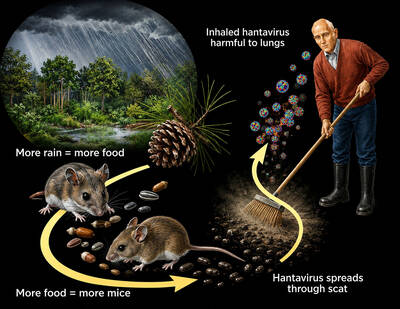
An outbreak aboard a cruise ship of a rare rodent-borne illness called hantavirus has left three passengers dead and sickened others, but global health officials say the risk to the general public remains low because the germ does not easily spread between people. “This is not the next COVID, but it is a serious infectious disease,” said Maria Van Kerkhove, director of epidemic and pandemic preparedness at the World Health Organization (WHO). “Most people will never be exposed to this.” The virus usually spreads when people inhale contaminated residue of rodent droppings. Hantaviruses have been around for centuries and are thought to
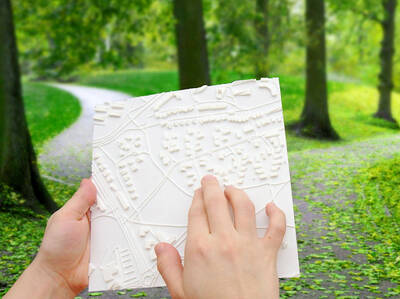
Have you ever wondered how people navigate the world when they can’t see a map? For individuals with visual impairments, conventional maps are nearly impossible to use. This is where tactile maps come in — essential tools that allow people to “see” the world through touch. A tactile map is specially designed with raised lines, textures, and symbols to represent geographical features such as roads, rivers, and buildings. Users explore it with their fingertips. However, these maps are not exclusively for people with visual disabilities. They serve as valuable multisensory learning tools that enhance spatial understanding for everyone, making

1. 他病了三天。 ˇ He has been sick for three days. χ He has been sick since three days. 註︰這裡現在完成時態 have / has been 表示從過去某一時日到現在的一段時間存在的行為或狀態,與它連用的時間副詞應為 「for +若干時」,如 for a year, for three hours 等,意思是歷時多少。 2. 他自從星期三以來都很忙。 ˇ He has been busy since Wednesday. χ He has been busy from Wednesday. 註︰「自從……以來」,該用 since。說從某一天(某一時刻)到某一天(某一時刻)才用 from,如 from Monday till Friday。 3. 房間角落裡散放著一些零星物件。 ˇ There were some odds and ends lying in the corner of the room. χ There were some odds and ends lying at the corner of the room. 註︰「在房間角落裡」該用介詞 in。例如: He stood in the corner. There is a lamp in the corner of the room. at the corner 指房子外部的拐角。例如: A little boy
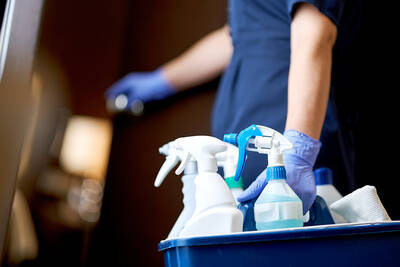
A growing green movement allows hotel guests to fund tree planting projects simply by opting out of daily room cleans. This approach turns an ordinary hotel stay into a direct contribution to nature. Founded in the Netherlands, the nonprofit “Hotels for Trees” operates on the principle that one skipped cleaning equals one new tree. It has planted more than 750,000 trees since 2021. Similarly, Sarnia Hotels in Guernsey donates £2 per refused clean. Since 2024, over 3,300 services have been cancelled, raising sufficient money to plant 1,100 native trees and hedgerows. Simplicity has been central to this success.


 RSS
RSS