


For the sheer sake of convenience, many people go down to their nearest convenience store for some Japanese oden or instant noodles as a quick and easy meal. The John Tung Foundation, however, has found that the average bowl of oden soup — 80 percent full — can contain between 600mg and 1,400mg of salt — a significant amount of variance.
Although convenience stores have specific standards and processes for diluting soups, many convenience store clerks adjust flavor according to their own individual palette, and by continuously heating soups and not adding water periodically, sodium levels rise as it continues to cook. The amount of sodium in spicy oden soup is much higher than that of clear-broth oden, so eating less of the food to avoid consuming too much sodium and subsequently harming your health is recommended.
According to the most recent national report on nutrition conducted by the Bureau of Health Promotion under the Department of Health (DOH), the average adult female consumes 3,567mg of sodium every day while the average male takes in 4,579mg, both significantly higher than the DOH’s recommended daily salt intake of 2,400mg.

Photo: Fang Pin-chao, Liberty Times
照片:自由時報記者方賓照
Lu Hui-ju, one of the foundation’s nutritionists, says that Chinese people love eating soup, and according to the foundation’s recent survey, more than 80 percent of people are aware that salt, sauces and processed foods are all common sources of sodium, but overlook the fact that soup is also a significant source of sodium.
The foundation recently conducted a survey of sodium levels in 95 bowls of soup from buffet restaurants, bento box eateries, snack shops, luwei (meats, vegetables or tofu braised in a soy sauce broth) stands, convenience stores and hotpot establishments. The results showed that, although some soups at hotpot shops might taste bland, they can contain as much as 2,600mg of sodium in a single serving, which exceeds the recommended total daily amount of sodium a person should consume.
Lu says that excessive sodium intake can cause edema, hypertension, kidney disease, arteriosclerosis and coronary heart disease. Many people mistakenly assume that if something does not taste salty that it must not contain much sodium, but sodium levels cannot actually be determined by looking at the color of a soup or at how thick it is. Lu suggests that people should reduce the amount of takeaway soups they eat, or at least check sodium levels prior to consumption, but says that the labels on soups at some convenience stores are too small, making them difficult to read and something that needs to be improved.
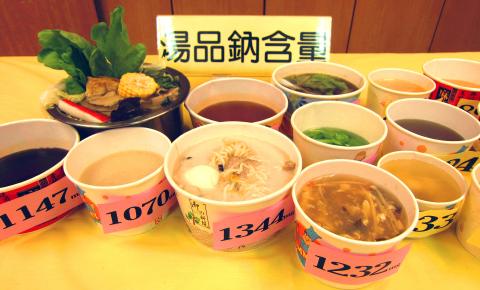
Photo: Wei Yi-chia, Liberty Times
照片:自由時報記者魏怡嘉
(Liberty Times, Translated by Kyle Jeffcoat)
為了方便,不少民眾會就近到超商吃「關東煮」或泡麵解決一餐,但董氏基金會調查發現,一碗八分滿的「關東煮」湯裡的鈉含量約從六百毫克到一千四百毫克,差距很大。
雖然超商稀釋濃高湯有一定的標準作業流程,但不少超商店員是依照自己的口味調味,再加上一直加熱,未定時加水,使得鈉含量愈煮愈高,其中麻辣湯的鈉含量又比原味湯高,建議民眾少喝,以免攝取過量,造成身體負擔。
根據衛生署國民健康局進行最新國民營養調查發現,我國成年女性每日平均攝取鈉三千五百六十七毫克、男性四千五百七十九毫克,都遠超過衛生署建議的二千四百毫克,顯示國人飲食過鹹。
董氏基金會營養師呂蕙如表示,華人飲食文化愛喝湯,八成以上的民眾知道鹽、沾醬及加工食品是鈉的來源,但卻忽略了湯品也是食物中鈉的主要來源之一。
董氏基金會近日檢測自助餐、便當店、小吃店、滷味、便利商店及火鍋店等供應的九十五碗湯含鈉量,結果發現,部分連鎖小火鍋的湯頭,喝起來雖然清淡,但一鍋湯的含鈉量竟高達二千六百毫克,已超過人每日建議攝取量的二千四百毫克。
呂蕙如指出,鈉攝取過多會造成水腫、高血壓、腎臟病、動脈硬化及冠狀動脈心臟病。很多民眾以為吃起來不鹹,含鈉量就一定低,其實是錯誤的觀念,湯的鈉含量是無法由湯的顏色及濃稠度去做判斷,建議民眾出門在外,少喝這些湯,或是飲用前先查看鈉含量的標示,但部分超商的鈉含量標示字體太小,民眾很難看得清楚,需要改進。
(自由時報記者魏怡嘉)
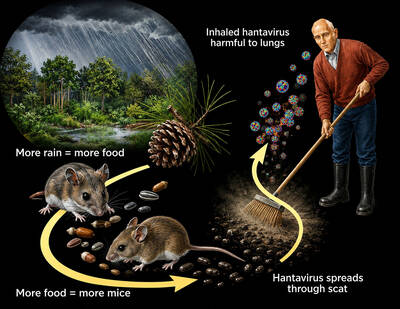
An outbreak aboard a cruise ship of a rare rodent-borne illness called hantavirus has left three passengers dead and sickened others, but global health officials say the risk to the general public remains low because the germ does not easily spread between people. “This is not the next COVID, but it is a serious infectious disease,” said Maria Van Kerkhove, director of epidemic and pandemic preparedness at the World Health Organization (WHO). “Most people will never be exposed to this.” The virus usually spreads when people inhale contaminated residue of rodent droppings. Hantaviruses have been around for centuries and are thought to
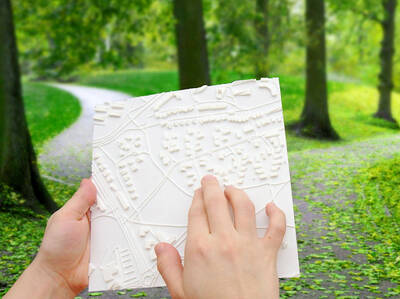
Have you ever wondered how people navigate the world when they can’t see a map? For individuals with visual impairments, conventional maps are nearly impossible to use. This is where tactile maps come in — essential tools that allow people to “see” the world through touch. A tactile map is specially designed with raised lines, textures, and symbols to represent geographical features such as roads, rivers, and buildings. Users explore it with their fingertips. However, these maps are not exclusively for people with visual disabilities. They serve as valuable multisensory learning tools that enhance spatial understanding for everyone, making

1. 他病了三天。 ˇ He has been sick for three days. χ He has been sick since three days. 註︰這裡現在完成時態 have / has been 表示從過去某一時日到現在的一段時間存在的行為或狀態,與它連用的時間副詞應為 「for +若干時」,如 for a year, for three hours 等,意思是歷時多少。 2. 他自從星期三以來都很忙。 ˇ He has been busy since Wednesday. χ He has been busy from Wednesday. 註︰「自從……以來」,該用 since。說從某一天(某一時刻)到某一天(某一時刻)才用 from,如 from Monday till Friday。 3. 房間角落裡散放著一些零星物件。 ˇ There were some odds and ends lying in the corner of the room. χ There were some odds and ends lying at the corner of the room. 註︰「在房間角落裡」該用介詞 in。例如: He stood in the corner. There is a lamp in the corner of the room. at the corner 指房子外部的拐角。例如: A little boy
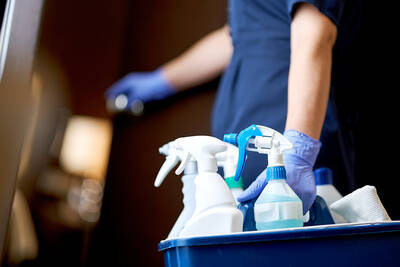
A growing green movement allows hotel guests to fund tree planting projects simply by opting out of daily room cleans. This approach turns an ordinary hotel stay into a direct contribution to nature. Founded in the Netherlands, the nonprofit “Hotels for Trees” operates on the principle that one skipped cleaning equals one new tree. It has planted more than 750,000 trees since 2021. Similarly, Sarnia Hotels in Guernsey donates £2 per refused clean. Since 2024, over 3,300 services have been cancelled, raising sufficient money to plant 1,100 native trees and hedgerows. Simplicity has been central to this success.


 RSS
RSS