


These are some of the books I found most memorable this year.
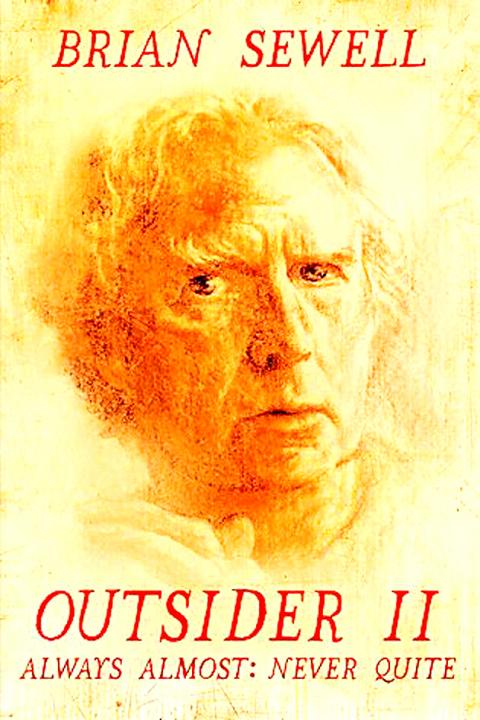
Outsider II: Always Almost, Never Quite (reviewed Jan. 9) by Brian Sewell [Quartet Books]. This is the concluding volume of the autobiography of the gay London-based art critic as well-known for his trenchantly traditionalist views on art as for his ability to name names and scandalize generally. A magnificent read, and my Number One choice for 2014.
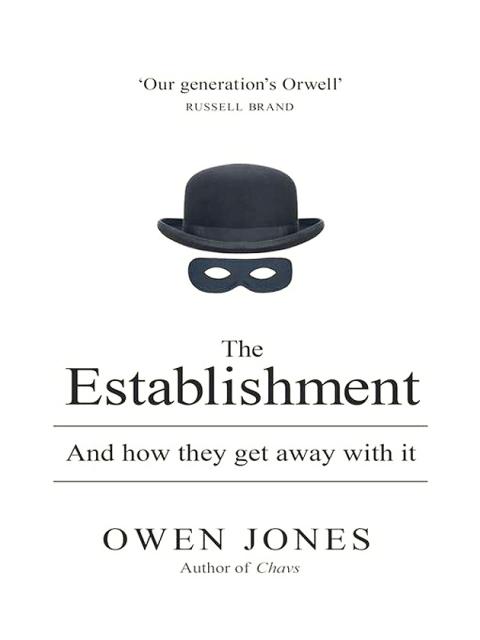
The Establishment: And how they get away with it (reviewed Oct. 16) by Owen Jones [Allen Lane]. Here a young UK journalist with strong left-wing sympathies analyzes how the rich, despite living in a democracy, continue to influence government for their own ends. Jones’s central point is that the right wing persuades the populace to put the blame on immigrants and the unemployed, instead of on the real culprits — bankers, high-end tax dodgers, and the wealthy in general. With his northern accent and youthful face, Jones is becoming well-known on TV in the UK, and he’s the just sort of polemicist the Labor Party, soon to face a crucial election, needs. This is his credo
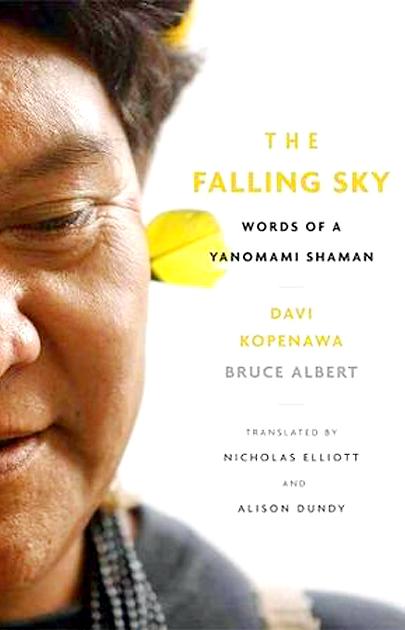
The Falling Sky: Words of a Yanomami Shaman (reviewed Aug. 21) by Davi Kopenawa and Bruce Albert [Belknap, Harvard University Press]. Not an easy read, but the descriptions of encountering dancing spirits and opposing foreigners intent on a land-grab makes it worth the effort. Claude Levi-Strauss helped Albert, a French anthropologist, in the book’s early stages.
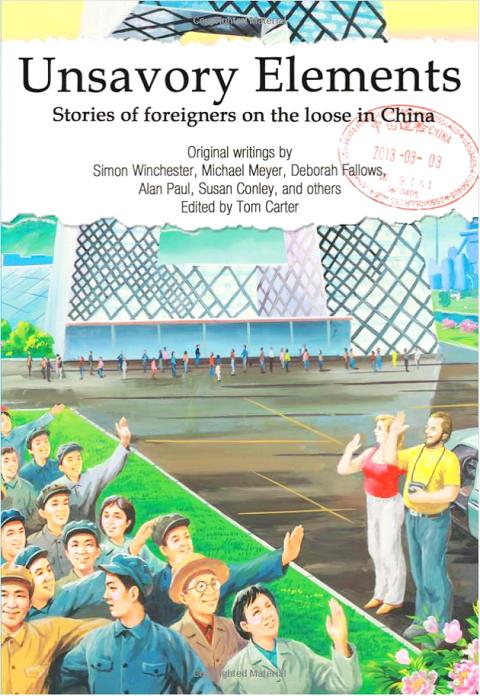
Unsavory Elements: Stories of Foreigners on the Loose in China (reviewed April 3), edited by Tom Carter [Earnshaw Books]. Here are 28 highly enjoyable tales of extraordinary variety — traveling by train from Urumqi to Hong Kong without a ticket, exploring the ancient Tea Horse Road from Lhasa to Yunnan, deciding whether to pen stories for students that will be presented as their own work in university applications, and visiting some not very prepossessing prostitutes along with even less prepossessing foreign colleagues. Unremittingly entertaining.
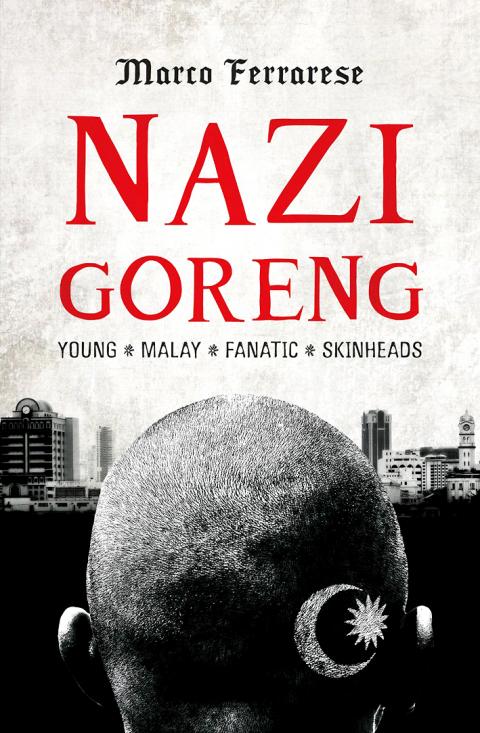
Nazi Goreng (reviewed March 6) by Marco Ferrarese [Monsoon Books]. This is an eminently readable and intelligent novel set in Penang, written by an Italian-born author resident in Asia. Ferrarese is also a punk-rock guitarist, and he met many of the “Malay supremacist” youths he describes at his gigs. They mouth anti-immigrant sentiments without having any knowledge of the people they so casually vilify, but they’re central to the plot which, though extensively concerned with drug dealing, also includes police corruption. I found the whole book astute and very insightful.
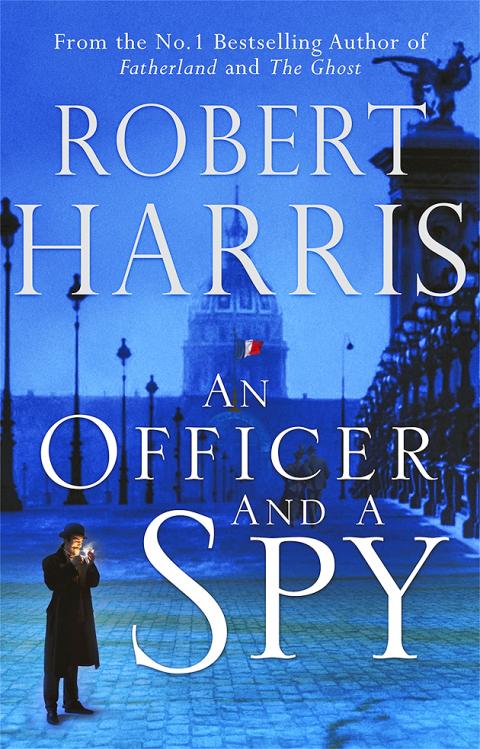
An Officer and a Spy (reviewed Dec. 11) by Robert Harris [Arrow Books]. This powerful novel is about the Dreyfus Case in 19th century France in which a Jewish army officer was wrongly convicted of passing state secrets to Germany. The campaign for his release quickly divided the country, and Harris presents a detailed picture of the characters within the state apparatus who worked against Dreyfus’s re-trial. This is a novel that looks like a blockbuster but is actually the work of an intelligent and gifted writer. I’m currently eagerly seeking out his other books.
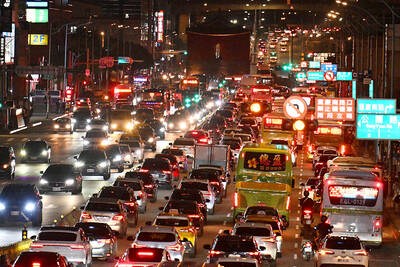
By global standards, the traffic congestion that afflicts Taiwan’s urban areas isn’t horrific. But nor is it something the country can be proud of. According to TomTom, a Dutch developer of location and navigation technologies, last year Taiwan was the sixth most congested country in Asia. Of the 492 towns and cities included in its rankings last year, Taipei was the 74th most congested. Taoyuan ranked 105th, while Hsinchu County (121st), Taichung (142nd), Tainan (173rd), New Taipei City (227th), Kaohsiung (241st) and Keelung (302nd) also featured on the list. Four Japanese cities have slower traffic than Taipei. (Seoul, which has some
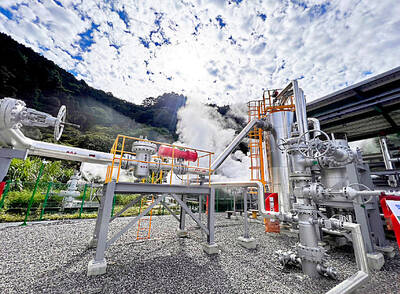
Taiwan’s semiconductor industry consumes electricity at rates that would strain most national grids. Taiwan Semiconductor Manufacturing Co (TSMC) alone accounted for more than 9 percent, or 2,590 megawatts (MW), of the nation’s power demand last year. The factories that produce chips for the world’s phones and servers run around the clock. They cannot tolerate blackouts. Yet Taiwan imports 97 percent of its energy, with liquefied natural gas reserves measured in days. Underground, Taiwan has options. Studies from National Taiwan University estimate recoverable geothermal resources at more than 33,000 MW. Current installed capacity stands below 10 MW. OBSTACLES Despite Taiwan’s significant geothermal potential, the

In our discussions of tourism in Taiwan we often criticize the government’s addiction to promoting food and shopping, while ignoring Taiwan’s underdeveloped trekking and adventure travel opportunities. This discussion, however, is decidedly land-focused. When was the last time a port entered into it? Last week I encountered journalist and travel writer Cameron Dueck, who had sailed to Taiwan in 2023-24, and was full of tales. Like everyone who visits, he and his partner Fiona Ching loved our island nation and had nothing but wonderful experiences on land. But he had little positive to say about the way Taiwan has organized its
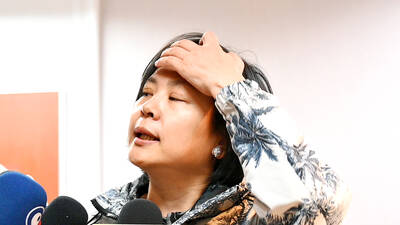
The entire Li Zhenxiu (李貞秀) saga has been an ugly, complicated mess. Born in China’s Hunan Province, she moved to work in Shenzhen, where she met her future Taiwanese husband. Most accounts have her arriving in Taiwan and marrying somewhere between 1993 and 1999. She built a successful career in Taiwan in the tech industry before founding her own company. She also served in high-ranking positions on various environmentally-focused tech associations. She says she was inspired by the founding of the Taiwan People’s Party (TPP) in 2019 by Ko Wen-je (柯文哲), and began volunteering for the party soon after. Ko


 RSS
RSS