


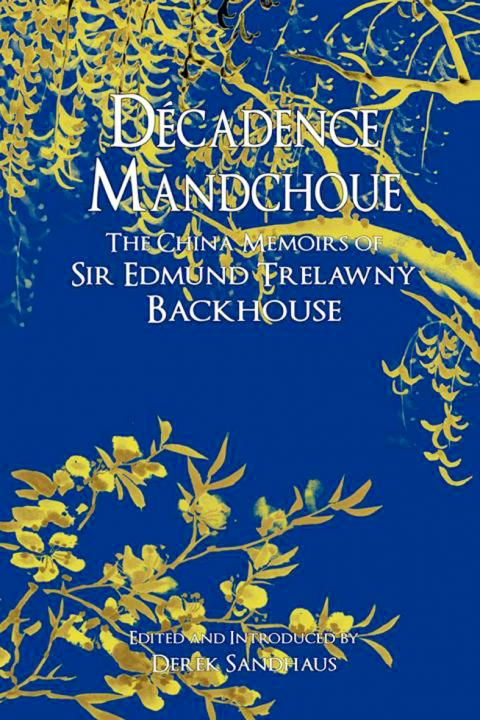
Decadence Mandchoue is the most memorable book I read in 2013. It’s the memoir of Edmund Trelawny Backhouse, and it covers China’s last decade under the emperors. Backhouse was an English eccentric and talented linguist who gained access to the Forbidden City and became one of the Empress Dowager’s many lovers. His own predilection was unambiguously homosexual, however, and his reminiscences in this sphere are nothing if not outrageous. The book was long considered a pack of lies, but Earnshaw Books in Hong Kong has come up with this newly-edited edition that makes Backhouse’s revelations seem entirely credible, as well as irresistibly readable.
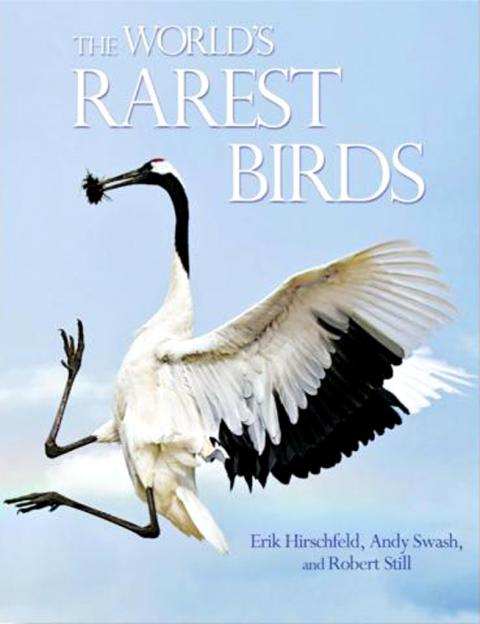
Of the other books reviewed this year,The World’s Rarest Birds is remarkable as a passionate plea for the world’s most endangered avian species. Notable is the plight of the albatross. With 100,000 being killed every year on the baited lines of modern industrial-scale fishing boats, this fabulous bird is facing certain extinction if nothing is done to help it. Simple procedures, such as weighting the lines, can reduce the carnage to zero. Altogether, this book is a full-color, information-packed catalog of some of the most spectacular inhabitants of our beleaguered planet.
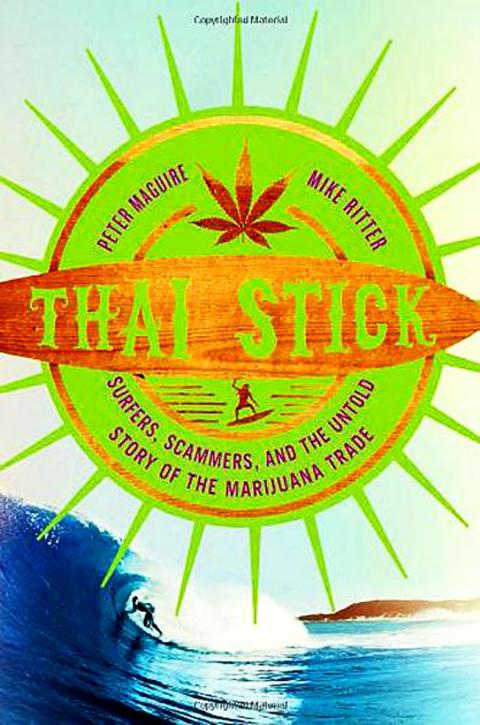
Thai Stick is a vivid account of marijuana smuggling between Southeast Asia and the US during the 1960s and 1970s. It makes for compulsive reading, and was put together by an academic (Peter Maguire) in conjunction with a self-confessed former smuggler (Mike Ritter).
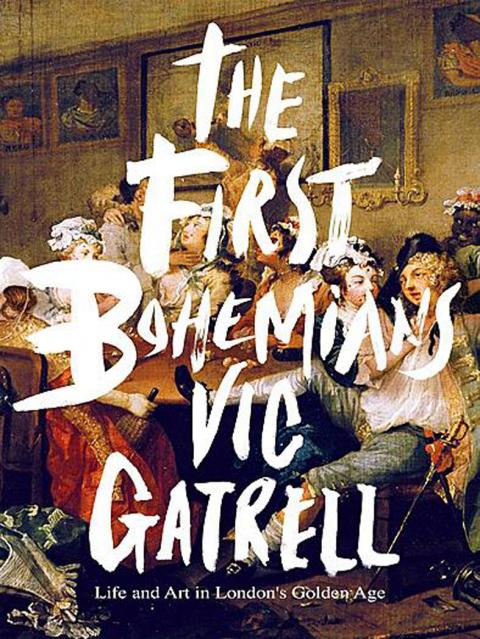
The First Bohemians is the second book by art historian Vic Gatrell to survey the riotous world of London’s 18th-century satiric cartoonists, following City of Laughter in 2007. It’s an account that manages to be both scurrilous and authoritative. Gatrell is an expert with the common touch, who gives special emphasis to the sexual exploits of the artists then living in London’s Covent Garden area.
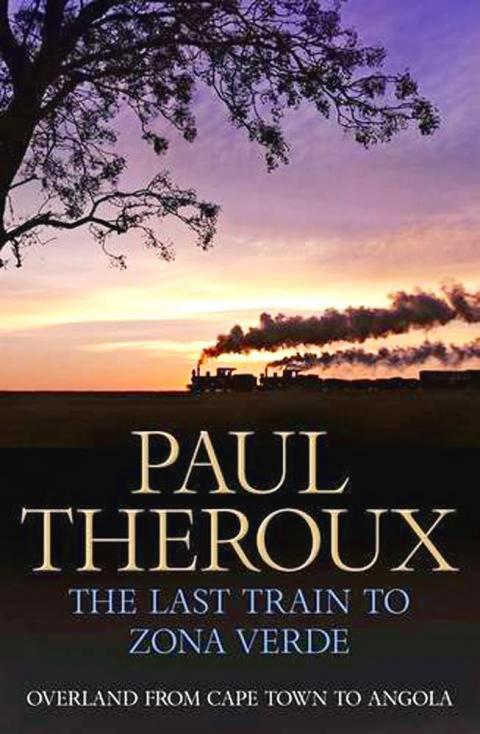
The Last Train to Zona Verde is Paul Theroux’s dyspeptic account of an overland trip from Cape Town to Angola. He sees both sides of life in South Africa, is reasonably tolerant in Namibia, but finally blows his top when he reaches Angola. And as always, Theroux is best of all when he’s angry.
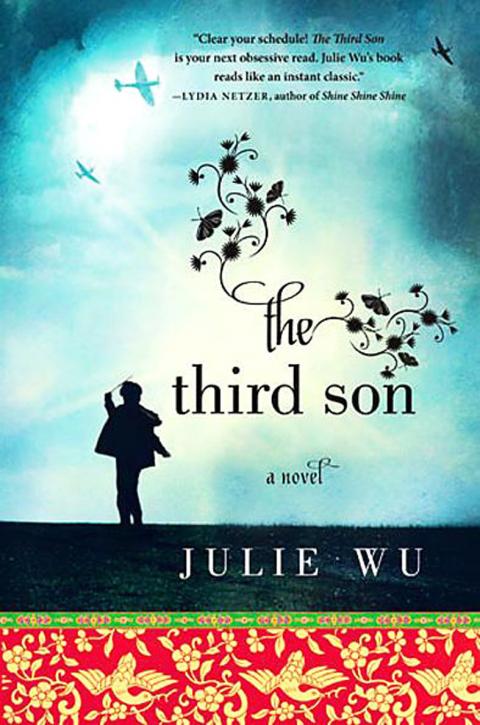
On Taiwan, The Third Son by Julie Wu (吳茗秀) is an excellent first novel that’s expertly constructed and lucidly written. Though mostly set in the US, its theme is the oppressiveness of the traditional Chinese family. “A wound that never healed. A promise never to be fulfilled. That was family.” But it’s an optimistic and buoyant book nonetheless.
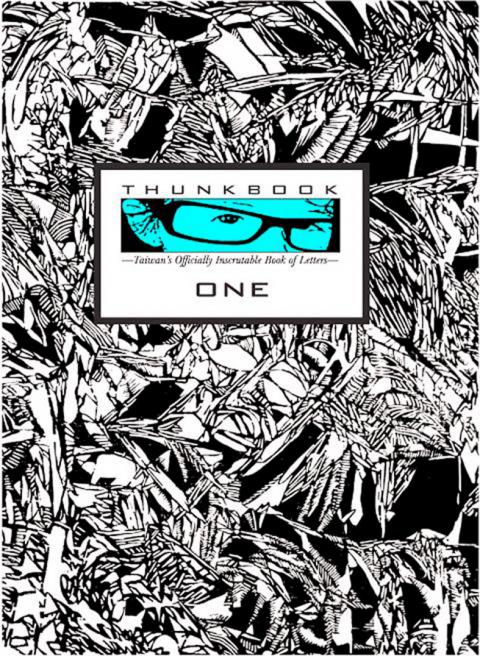
Finally, Thunkbook 1 surfaced this year, as the incarnation of the former Taiwan-based English-language literary magazine Pressed. In August, I found that the best item it contained was by H.V. Chao, and I had announced an imminent first collection of his short stories. Unfortunately this arrangement fell through, so anyone in the book business wishing to publish real talent should contact him (he’s Edward Gauvin on LinkedIn) immediately.

Michael slides a sequin glove over the pop star’s tarnished legacy, shrouding Michael Jackson’s complications with a conventional biopic that, if you cover your ears, sounds great. Antoine Fuqua’s movie is sanctioned by Jackson’s estate and its producers include the estate’s executors. So it is, by its nature, a narrow, authorized perspective on Jackson. The film ends before the flood of allegations of sexual abuse of children, or Jackson’s own acknowledgment of sleeping alongside kids. Jackson and his estate have long maintained his innocence. In his only criminal trial, in 2005, Jackson was acquitted. Michael doesn’t even subtly nod to these facts.
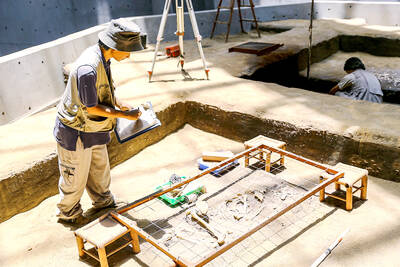
Writing of the finds at the ancient iron-working site of Shihsanhang (十 三行) in New Taipei City’s Bali District (八里), archaeologist Tsang Cheng-hwa (臧振華) of the Academia Sinica’s Institute of History and Philology observes: “One bronze bowl gilded with gold, together with copper coins and fragments of Tang and Song ceramics, were also found. These provide evidence for early contact between Taiwan aborigines and Chinese.” The Shihsanhang Web site from the Ministry of Culture says of the finds: “They were evidence that the residents of the area had a close trading relation with Chinese civilians, as the coins can be
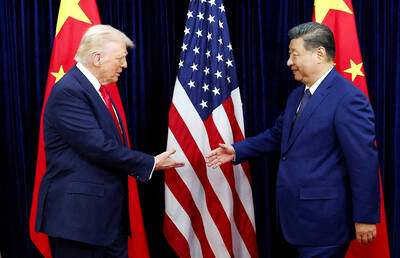
The March/April volume of Foreign Affairs, long a purveyor of pro-China pablum, offered up another irksome Beijing-speak on the issues and solutions for the problems vexing the People’s Republic of China (PRC) and the US: “America and China at the Edge of Ruin: A Last Chance to Step Back From the Brink” rang the provocative title, by David M. Lampton and Wang Jisi (王緝思). If one ever wants to describe what went wrong with US-PRC relations, the career of Wang Jisi is a good place to start. Wang has extensive experience in the US and the West. He was a visiting
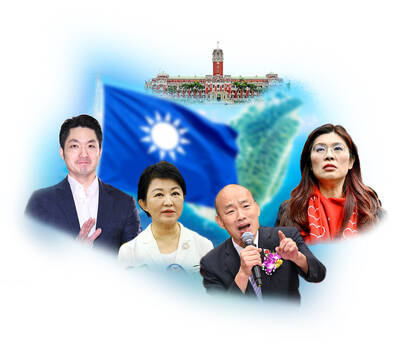
The January 2028 presidential election is already stirring to life. In seven or eight months, the primary season will kick into high gear following this November’s local elections. By this point next year, we will likely know the Democratic Progressive Party (DPP) candidate and whether the Taiwan People’s Party (TPP) will be fielding a candidate. Also around this time, the Chinese Nationalist Party (KMT) will either have already completed their primary, or it will be heading into the final stretch. By next summer, the presidential race will be in high gear. The big question is who will be the KMT’s


 RSS
RSS