


If you happen to find yourself in the vicinity of the Neihu Science Park and fancy eating something other than cheap earthy local fare then there are very few options open to you. One place that is worth checking out, however, is Club 1920 Restaurant, which is a place where quality food can be found in what is for all intents and purposes a gastronomic wasteland.
From the outside the joint resembles a club rather than a restaurant and would-be patrons could easily walk past without even noticing it. This would be a shame, however, as what lies within couldn't be further removed from its facade, the most prominent feature of which is a neon light in the shape of a saxophone.
Originally opened in June of 2004, the restaurant has recently changed hands and with new management at the helm have come new ideas. Once a place that served up a wide range of modern Western cuisine, Club 1920 has now become a place where both European and fine modern Chinese fare are the order of the day. It boasts a spacious interior and private rooms for functions and the seating in the main dining area gives patrons the choice to relax on sofas or be seated at more standardized dining tables.
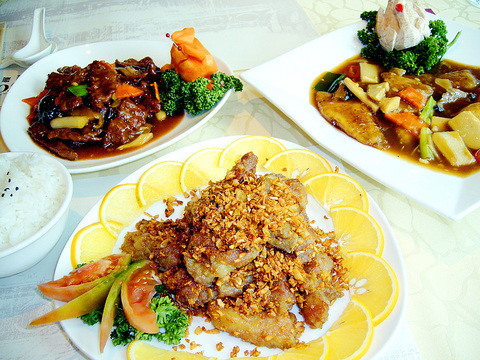
PHOTO: GAVIN PHIPPS, TAIPEI TIMES
The menu is not overly large, but it is solid and contains many popular Chinese staples, some fancy Western dishes and a few house specials such as shrimp salad with mango sauce and duck breast with red wine and pears thrown in for good measure. The price of the dishes is pretty much on a par with any number of mid-priced Chinese/Western eateries in Taipei proper.
The dishes range from NT$180 to roughly NT$280, with a selection of more expensive options on offer for those who don't mind splashing out. Although it does serve set meals, Club 1920 is a place best enjoyed with friends as the more of you there are the more you get to try. And trying head chef Huo Chi-hsiung's (
Food aside, there is only one drawback when opting to dine out at Club 1920 and that is the lack of an English menu. This shouldn't put you off, however, as even if you can't read Chinese the waiting staff are on hand to point diners in an interesting and tasty dining direction. As well as being an enjoyable place to chow down on great food the joint is also a bar and as the name mildly suggests, a jazz club. From 10pm every night the house jazz band takes to the stage and patrons get to savor the sound of classic jazz.
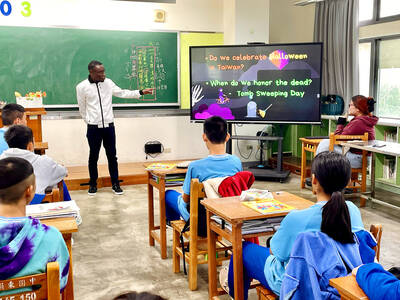
For many people, Bilingual Nation 2030 begins and ends in the classroom. Since the policy was launched in 2018, the debate has centered on students, teachers and the pressure placed on schools. Yet the policy was never solely about English education. The government’s official plan also calls for bilingualization in Taiwan’s government services, laws and regulations, and living environment. The goal is to make Taiwan more inclusive and accessible to international enterprises and talent and better prepared for global economic and trade conditions. After eight years, that grand vision is due for a pulse check. RULES THAT CAN BE READ For Harper Chen (陳虹宇), an adviser
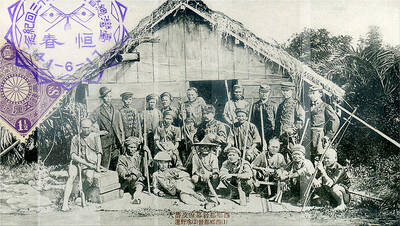
Traditionally, indigenous people in Taiwan’s mountains practice swidden cultivation, or “slash and burn” agriculture, a practice common in human history. According to a 2016 research article in the International Journal of Environmental Sustainability, among the Atayal people, this began with a search for suitable forested slopeland. The trees are burnt for fertilizer and the land cleared of stones. The stones and wood are then piled up to make fences, while both dead and standing trees are retained on the plot. The fences are used to grow climbing crops like squash and beans. The plot itself supports farming for three years.

May 4 to May 10 It was once said that if you hadn’t performed at the Sapphire Grand Cabaret (藍寶石大歌廳), you couldn’t truly be considered a star. Taking the stage at the legendary Kaohsiung club was more than just a concert. Performers were expected to entertain in every sense, wearing outlandish or revealing costumes and staying quick on their feet as sharp-tongued, over-the-top hosts asked questions and delivered jokes that would be seen as vulgar, even offensive, by today’s standards. Opening in May 1967 during a period of strict political and social control, Sapphire offered a rare outlet for audiences in
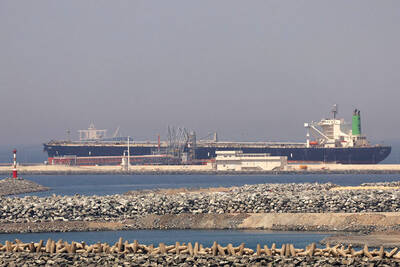
The breakwater stretches out to sea from the sprawling Kaohsiung port in southern Taiwan. Normally, it’s crowded with massive tankers ferrying liquefied natural gas from Qatar to be stored in the bulbous white tanks that dot the shoreline. These are not normal times, though, and not a single shipment from Qatar has docked at the Yongan terminal since early March after the Strait of Hormuz was shuttered. The suspension has provided a realistic preview of a potential Chinese blockade, a move that would throttle an economy anchored by the world’s most advanced and power-hungry semiconductor industry. It is a stark reminder of


 RSS
RSS