


Apple on Friday began letting US iPhone owners trade in their smartphones for credit toward buying new models.
The California company’s trade-in program started in the wake of unconfirmed reports of a Sept. 10 event at which Apple will unveil new iPhones, with rumors ranging from a gold handset to a low-priced version aimed at emerging markets.
“iPhones hold great value,” Apple spokeswoman Amy Bessette said in an e-mail. “So Apple Retail Stores are launching a new program to assist customers who wish to bring in their previous-generation iPhone for reuse or recycling.”
She would not specify how much Apple is paying for old iPhones, but they can fetch US$300 or so depending on the model at an array of Web sites or US consumer electronics shops that buy handsets.
The Wall Street Journal earlier this month reported that Apple had asked its Taiwan-based supplier, Hon Hai Precision (鴻海精密), to begin shipping two new versions of the iPhone this month, including a lower-cost model.
Speculation has centered around whether Apple will shift its strategy of focusing on premium devices priced at the high-end of the market to include a lower-cost handset appealing to people with tighter budgets.
A survey by Gartner said Apple’s share of the smartphone market worldwide fell to 14.2 percent in the second quarter, while Samsung’s rose to 31.7 percent.
Samsung has found global success with smartphones powered by Google’s free Android software, which now dominates the market.
As the smartphone market in the US and other Western countries matures, companies may have better luck encouraging upgrades rather than reaching out to first-time buyers, Gartner analyst Van Baker said.
Motives for Apple’s trade-in program likely include keeping iPhone users loyal to the smartphones, as well as the lucrative iTunes shop for digital music, films and books.
“Keeping people in the fold is what it is all about,” Baker said. “The question for me is whether it will be competitive with programs that already exist in the market.”
Global Equities Research analyst Trip Chowdhry saw the trade-in program as Apple delivering product management instead of product innovation.
Shares of contract chipmaker Taiwan Semiconductor Manufacturing Co (TSMC, 台積電) came under pressure yesterday after a report that Apple Inc is looking to shift some orders from the Taiwanese company to Intel Corp. TSMC shares fell NT$55, or 2.4 percent, to close at NT$2,235 on the local main board, Taiwan Stock Exchange data showed. Despite the losses, TSMC is expected to continue to benefit from sound fundamentals, as it maintains a lead over its peers in high-end process development, analysts said. “The selling was a knee-jerk reaction to an Intel-Apple report over the weekend,” Mega International Investment Services Corp (兆豐國際投顧) analyst Alex Huang
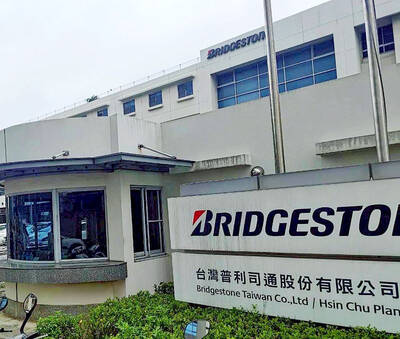
TRANSITION: With the closure, the company would reorganize its Taiwanese unit to a sales and service-focused model, Bridgestone said Bridgestone Corp yesterday announced it would cease manufacturing operations at its tire plant in Hsinchu County’s Hukou Township (湖口), affecting more than 500 workers. Bridgestone Taiwan Co (台灣普利司通) said in a statement that the decision was based on the Tokyo-based tire maker’s adjustments to its global operational strategy and long-term market development considerations. The Taiwanese unit would be reorganized as part of the closure, effective yesterday, and all related production activities would be concluded, the statement said. Under the plan, Bridgestone would continue to deepen its presence in the Taiwanese market, while transitioning to a sales and service-focused business model, it added. The Hsinchu
Taiwan Semiconductor Manufacturing Co (TSMC, 台積電) has approved a capital budget of US$31.28 billion for production expansion to meet long-term development needs during the artificial intelligence (AI) boom. The company’s board meeting yesterday approved the capital appropriation plan for purposes such as the installation of advanced technology capacity and fab construction, the world’s largest contract chipmaker said in a statement. At an earnings conference last month, TSMC forecast that its capital expenditure for this year would be at the higher end of the US$52 billion to US$56 billion range it forecast in January in response to robust demand for 5G, AI and
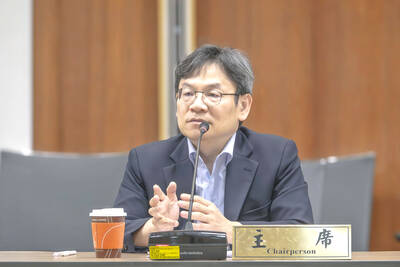
Taiwan Semiconductor Manufacturing Co’s (TSMC, 台積電) investment project in Arizona has progressed better than expected, but it still faces challenges such as water and labor shortages, National Development Council (NDC) Minister Yeh Chun-hsien (葉俊顯) said yesterday. Speaking with reporters after visiting TSMC’s Arizona hub and attending the SelectUSA Investment Summit in Maryland last week, Yeh said TSMC’s Arizona site turned a profit of NT$16.14 billion (US$514 million) last year in its first full year of mass production. “TSMC told me it was surprised by the smooth trial run of the first fab, which has left the company optimistic about the project’s outlook,”


 RSS
RSS