


AT&T Inc has lowered the price of HTC Corp’s (宏達電) flagship Android smartphone by half in the US market, three months after the phone’s launch, aiming to boost sales of the Taiwan-made phone.
Both firms said the hefty US$100 discount for the One X device, now sold at US$99.99 on a two-year contract, were part of the US telecoms operator’s back-to-school promotions, which started yesterday and will run through Sept. 16, according to AT&T’s Web site.
That compared with Samsung Electronics Co’s Galaxy S III, which AT&T sells in the US for US$199.99 with a two-year contract.
“The lower price for the One X is targeted to promote the phone and stimulate its sales,” HTC public relations manager Jessica Pan (潘瑞蓮) said by telephone.
AT&T, the exclusive carrier of the One X in the US, launched the phone in May at a price of US$199.
Asked if HTC hopes the promotional price can help the One X take on Samsung, which has sold more than 10 million Galaxy S III phones since its launch about two months ago, Pan did not respond directly to the question, but said the One X had received high praise from US customers.
When asked if the lower price would be extended to other HTC smartphones carried by other US telecoms operators, Pan said it would depend on the contracts for specific phones and the availability of subsidy programs offered by the carriers.
Pan also said HTC had no plan to slash prices in the local market — where Samsung reigns No. 1 in terms of smartphone sales in the second quarter thanks to the popularity of the Galaxy S III — because the terms HTC offers in cooperation with the three major telecoms operators are “very favorable.”
The AT&T price cut came a few days ahead of HTC’s conference call with analysts on Friday, when it is scheduled to update its sales guidance for this quarter and next.
Early this month, HTC reported that its second-quarter net profit fell 57.77 percent from a year earlier to NT$7.4 billion (US$247.3 million), or earnings per share (EPS) of NT$8.9, but that it was up 65.55 percent from the NT$4.47 billion, or EPS of NT$5.35, in the first quarter. Consolidated revenue in the April-to-June period was NT$91 billion, falling 26.85 percent from NT$124.4 billion a year ago, but up 34.24 percent from the NT$67.79 billion it made in the previous three months.
BNP Paribas analyst Laura Chen (陳佳儀) yesterday said she expected HTC to provide a disappointing guidance of “10 percent to 20 percent” sequential decline in third-quarter revenue, because of the company’s “weak One series product shipments, an unfavorable product mix and continued inventory headwinds.”
“The market has been bearish on HTC, and we see no signs of a turnaround yet. The high-end smartphone market is saturated, and it is challenging for the company to have sustainability and create differentiation,” Chen wrote in a client note.
HTC has said it planned to strengthen the integration of its marketing channels in emerging markets — especially China — to support its bottom line in the remaining quarters of the year and that it is banking on new Windows Phone 8 models to boost its sales in the fourth quarter.
Chen said she did not believe these would help HTC’s shipments recover in the fourth quarter, while fierce competition from second-tier brands in Asian markets would drive its margin further down in the second half.
Shares in HTC closed down 1.9 percent at NT$284.50 in Taipei trading yesterday. The stock has dropped 42.8 percent so far this year and plunged 78.1 percent from as high as NT$1,300 in April last year due to an increasingly competitive smartphone market amid a dismal global economic outlook.
BNP maintained its “reduce” rating on the stock, cutting its target price from NT$272 to NT$224.
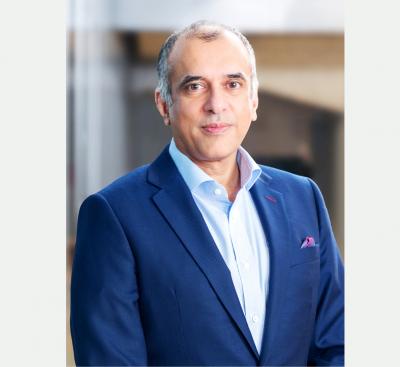
HSBC Holdings PLC is deepening its commitment to Taiwan as the economy emerges as one of the bank’s fastest-growing markets globally, driven by an artificial intelligence (AI) investment boom, expanding cross-border trade, and rising wealth creation. “The advantage that Taiwan has is a growth story linked to the semiconductor and broader AI industries, strong underlying corporate performance, and wealth creation,” said Surendra Rosha, HSBC’s co-chief executive for Asia and the Middle East, in an exclusive interview with the Taipei Times on June 2, during this year’s HSBC Taiwan Conference. That combination has helped HSBC cement its position as the most profitable international
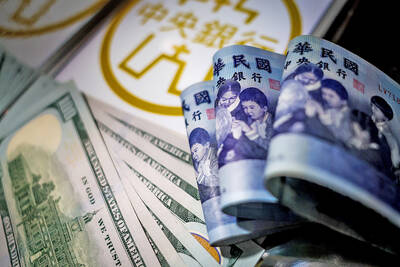
The New Taiwan dollar yesterday fell sharply against the US dollar to close at its lowest level since May 22 amid a massive outflow of funds from the country because of investors panicking over global equity markets. The NT dollar ended at NT$31.580 against the US dollar, slightly lower than its close of NT$31.568 on May 22, after moving between NT$31.5 and NT$31.648 on combined turnover of US$3.062 billion on the Taipei Foreign Exchange and the Cosmos Foreign Exchange. The NT dollar received a significant hit in the morning session, slumping as much as NT$0.173 at a time when other Asian currencies
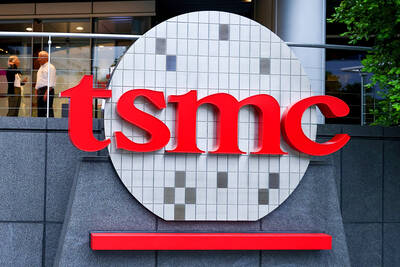
Taiwan Semiconductor Manufacturing Co (TSMC, 台積電) is now ranked ninth among the world’s 100 most valuable companies after its market capitalization more than doubled over the past year, PricewaterhouseCoopers (PwC) Taiwan said in a report last month. TSMC’s market capitalization surged 101 percent year-on-year to US$1.427 trillion as of March 31, the accounting and consulting firm’s 2026 Global Top 100 Companies by Market Capitalization report said. The gain catapulted the world’s largest contract chipmaker from 12th place to ninth in the rankings, and it was the fastest-growing among the global top 10, it said. TSMC was the only Taiwanese company among the top
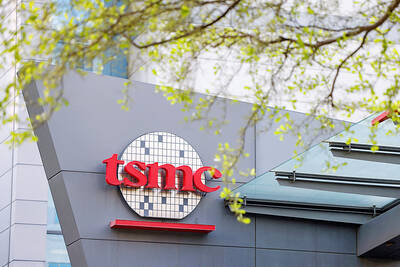
Taiwan Semiconductor Manufacturing Co (TSMC, 台積電) yesterday reported record revenue of NT$416.975 billion (US$13.17 billion) for last month, putting the world’s largest contract chipmaker on track to set a record for quarterly revenue. Last month’s figure surpassed March’s record NT$415.19 billion and represented increases of 1.5 percent from April and 30.1 percent from a year earlier. For the first five months of the year, TSMC generated NT$1.96 trillion in revenue, up 30 percent year-on-year, it said in a statement. TSMC has forecast second-quarter revenue of between US$39 billion and US$40.2 billion, representing sequential growth of about 10 percent and year-on-year growth of about


 RSS
RSS