


A Samsung unit is raising the ante in a patent dispute with a German rival over energy-saving LED lighting amid intensifying legal disputes among global companies jockeying for supremacy in key consumer technologies.
Samsung LED Co said yesterday that it had asked the US International Trade Commission (USITC) to bar products of Osram GmbH and two units from entering the US.
South Korea-based Samsung LED said it had also filed a lawsuit in a US district court in the state of Delaware alleging infringement of its LED patents, seeking unspecified damages.
Samsung LED is targeting Osram, Osram Opto Semiconductors and Osram Sylvania Inc in the actions. Munich-based Osram GmbH is a unit of German industrial engineering giant Siemens AG. Osram Sylvania is Osram’s North American operation, based in Massachusetts.
Last month, Samsung LED sued Osram Korea Co and two local companies that sell its products in South Korea in retaliation for what is said were suits by Osram at the USITC, in the Delaware court and in Germany.
“Samsung LED intends to vigorously enforce its intellectual property rights and these lawsuits reflect Samsung LED’s commitment to that enforcement,” the company said in a press release.
Osram could not be immediately reached for comment.
Samsung LED is alleging infringement of eight patents covering what it calls “core” LED technologies used in products such as lighting, automobiles, projectors, mobile phone screens and TVs.
Semiconductor-based LEDs or light emitting diodes, are becoming increasingly popular for their durability and energy-saving capability.
Samsung LED also suggested it could expand the scope of the USITC case.
“As new information becomes available it will continue to evaluate the potential to add additional parties who may be importing, using or selling the accused Osram LEDs in the US market,” the company said in the release.
Samsung LED was established in 2009 as a joint venture between Samsung Electronics Co and Samsung Electro-Mechanics Co.
Such complaints and lawsuits are common in the global technology industry and seldom lead to market disruptions as disputes take months or years to resolve and typically end with payments of licensing fees rather than any import bans.
Still, they highlight the intensity of competition in which technological advantage can give companies a key edge in attracting consumers.
Eastman Kodak Co has an ongoing patent dispute over photo technology at the USITC with Apple Inc and BlackBerry maker Research in Motion Ltd.
Samsung companies are taking an aggressive stance in global technology patent wars.
Samsung Electronics is embroiled in multiple complaints and lawsuits with Apple Inc over smartphone and tablet technology. It has also launched legal actions against Taiwan’s AU Optronics Corp (友達光電) over alleged patent infringement in liquid crystal displays.
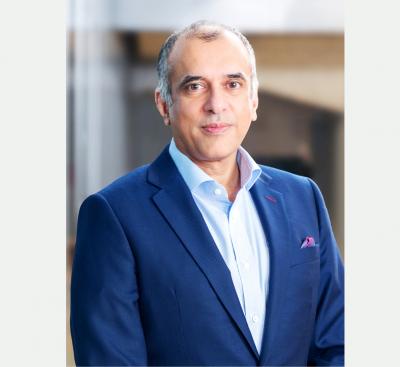
HSBC Holdings PLC is deepening its commitment to Taiwan as the economy emerges as one of the bank’s fastest-growing markets globally, driven by an artificial intelligence (AI) investment boom, expanding cross-border trade, and rising wealth creation. “The advantage that Taiwan has is a growth story linked to the semiconductor and broader AI industries, strong underlying corporate performance, and wealth creation,” said Surendra Rosha, HSBC’s co-chief executive for Asia and the Middle East, in an exclusive interview with the Taipei Times on June 2, during this year’s HSBC Taiwan Conference. That combination has helped HSBC cement its position as the most profitable international
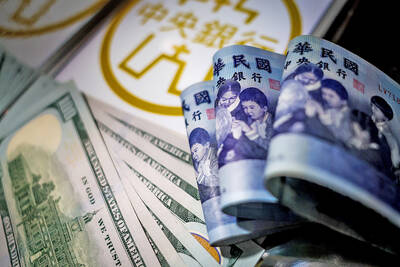
The New Taiwan dollar yesterday fell sharply against the US dollar to close at its lowest level since May 22 amid a massive outflow of funds from the country because of investors panicking over global equity markets. The NT dollar ended at NT$31.580 against the US dollar, slightly lower than its close of NT$31.568 on May 22, after moving between NT$31.5 and NT$31.648 on combined turnover of US$3.062 billion on the Taipei Foreign Exchange and the Cosmos Foreign Exchange. The NT dollar received a significant hit in the morning session, slumping as much as NT$0.173 at a time when other Asian currencies
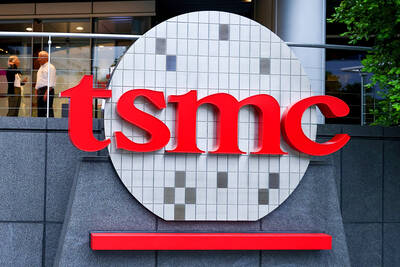
Taiwan Semiconductor Manufacturing Co (TSMC, 台積電) is now ranked ninth among the world’s 100 most valuable companies after its market capitalization more than doubled over the past year, PricewaterhouseCoopers (PwC) Taiwan said in a report last month. TSMC’s market capitalization surged 101 percent year-on-year to US$1.427 trillion as of March 31, the accounting and consulting firm’s 2026 Global Top 100 Companies by Market Capitalization report said. The gain catapulted the world’s largest contract chipmaker from 12th place to ninth in the rankings, and it was the fastest-growing among the global top 10, it said. TSMC was the only Taiwanese company among the top
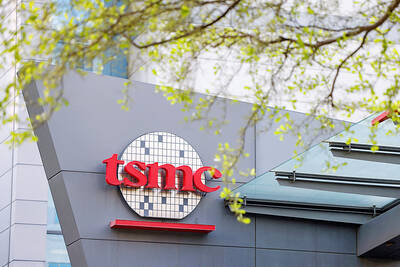
Taiwan Semiconductor Manufacturing Co (TSMC, 台積電) yesterday reported record revenue of NT$416.975 billion (US$13.17 billion) for last month, putting the world’s largest contract chipmaker on track to set a record for quarterly revenue. Last month’s figure surpassed March’s record NT$415.19 billion and represented increases of 1.5 percent from April and 30.1 percent from a year earlier. For the first five months of the year, TSMC generated NT$1.96 trillion in revenue, up 30 percent year-on-year, it said in a statement. TSMC has forecast second-quarter revenue of between US$39 billion and US$40.2 billion, representing sequential growth of about 10 percent and year-on-year growth of about


 RSS
RSS