


Compal Electronics Inc (仁寶電子), the world's second-biggest contract maker of notebook computers, reported a 35 percent drop in second-quarter profit yesterday because of seasonal factors, rising oil prices and China's efforts to cool down its economy.
The lower earnings were expected by analysts, who predicted that slowing demand in the period that ended June 30 would hurt Compal and its biggest rival, Quanta Computer Inc (廣達電腦), which plans to announce its figures later this month.
Compal -- which produces laptops for Dell Inc and other tech giants -- said net profit slipped to NT$1.69 billion (US$49.7 million).
The figures compare with a net profit of NT$2.61 billion in the second quarter of last year, a company statement said.
Intense pressure from clients for lower costs helped squeeze Com-pal's gross margin to 6.4 percent in the second quarter from 7.1 percent in the January to March period, the firm said. Business was also hurt by seasonal factors, higher oil prices and China's efforts to rein in its overheating economy, Compal said.
Mark Lo, an analyst at KGI Securities Co (
"Slowing demand for laptop PCs was the main reason behind the falls in Quanta and Compal's net profits," Lo said.
Sluggish demand discouraged customers from farming out more orders during the second quarter.
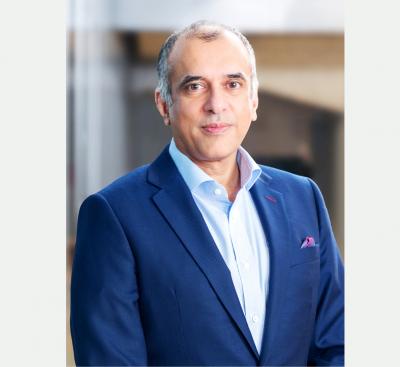
HSBC Holdings PLC is deepening its commitment to Taiwan as the economy emerges as one of the bank’s fastest-growing markets globally, driven by an artificial intelligence (AI) investment boom, expanding cross-border trade, and rising wealth creation. “The advantage that Taiwan has is a growth story linked to the semiconductor and broader AI industries, strong underlying corporate performance, and wealth creation,” said Surendra Rosha, HSBC’s co-chief executive for Asia and the Middle East, in an exclusive interview with the Taipei Times on June 2, during this year’s HSBC Taiwan Conference. That combination has helped HSBC cement its position as the most profitable international

Taiwanese firms have increased investment in the Philippines in recent years as Manila’s ties with Washington deepen and global supply chains continue to shift away from China, an expert at the Chung-Hua Institution for Economic Research (CIER, 中華經濟研究院) said yesterday. The Philippines had not been among Taiwanese investors’ top choices in Southeast Asia, CIER Taiwan ASEAN Studies Center director Kristy Hsu (徐遵慈) said at a seminar in Taipei. However, Taiwan’s investment in the country has grown significantly since the COVID-19 pandemic, reaching US $257 million last year, a high in recent years, she said. Although Taiwan’s total investment in the Philippines still lags

Intel Corp regards Taiwan Semiconductor Manufacturing Co (TSMC, 台積電) as a longstanding partner, as the US chipmaker would continue outsourcing production of advanced chips to TSMC, Intel chief executive officer Lip-Bu Tan (陳立武) said yesterday. “I don’t look at people as competitors. I look at the collaboration... Nvidia is also, you know, a good friend,” Tan told a news conference following his keynote speech at the Computex trade show in Taipei. “It’s a very trusted partnership for us... We are a big, top customer for them, and we’re going to continue doing that,” he said, referring to TSMC, the world’s largest foundry

Hon Hai Precision Industry Co (鴻海精密) yesterday said it would work with US chipmaker Intel Corp to jointly develop and deploy next-generation artificial intelligence (AI) infrastructure and intelligent computing platforms in a move to capture booming demand for AI computing systems. Hon Hai, also known as Foxconn Technology Group (富士康), said in a statement that the partnership would combine its global manufacturing scale, system integration expertise and AI data center deployment capabilities with Intel’s strengths in processor architecture, silicon technologies and software ecosystem. The companies said they plan to work on equipment used in AI data centers, including server racks powered by


 RSS
RSS