


VIA Technologies Inc (
A company statement indicated a chipset made for use with Intel Pentium 4 chips helped with the steep increase in sales.
Intel says VIA is illegally making the chipsets without a technology license and has filed lawsuits to stop the sale of the product.
VIA, which holds a third of the US$3 billion global chipset market, announced October sales of just more than NT$3 billion (US$88 million), far more than analysts predicted.
Considering the slowing global economy and effectiveness with which Intel's lawsuits have kept top-tier motherboard makers away from the disputed chipset, analysts predicted October sales would rise by just 10 percent.
Chipsets control the flow of information between the CPU and other chips inside a computer, such as the memory and graphics chips.
VIA's disputed P4x266 chipset is made to support the Pentium 4 CPU and allow it to be used with a low cost, high performance DRAM chip called DDR memory.
VIA set a sales goal of over one million P4x266 chipsets for October and the company said in a statement they passed that target.
Two months ago, Intel filed patent infringement lawsuits against VIA over the P4x266, accusing the firm of marketing the product without a license.
VIA responded by saying current business agreements with Intel through a US subsidiary cover the chipset, and that it does not need a license.
VIA then filed lawsuits in Taiwan and the US against Intel, saying Intel has also infringed on VIA patents.
To cut the chipset off from entering world markets, Intel warned Taiwanese motherboard makers to stay away from using the product.
Motherboards are circuit boards which cradle all of a PC's vital components, including CPU, chipset and memory chips. Every computer needs a motherboard, and cutting the chipset off from motherboard makers has put intense pressure on VIA.
VIA responded by turning to smaller firms.
Intel was able to cut the P4x266 off from the top four motherboard makers in Taiwan: Asustek Computer Inc (
Intel filed suits against Elitegroup over the chipset in early October.
Shortly after the Elitegroup lawsuit, VIA entered the motherboard business, slapping its name on motherboards compatible with the P4x266 and marketing the products under a new business unit.
Chinese-language news reports contend that second tier motherboard makers in Taiwan are producing the boards on VIA's behalf.
The fact VIA was able to sell one million P4x266 units despite the lawsuits and pressure is a sign its initiatives are working, said one analyst.
Intel plans to begin shipping its own chipset for use with DDR memory by December.
Analysts say the company is held back by business contracts with Rambus, which produces a competing memory standard. Once the year ends, Intel DDR chipsets are free to enter the mainstream PC market.
For now, VIA's only competition with the P4x266 is from two other Taiwanese chipset makers, Silicon Integrated Systems (SiS,
SiS chipsets have hit the market. This month the firm expects a boost since its chipsets are on motherboards made by Asustek and other top motherboard makers.
VIA said its accumulated sales revenue over the year through October amounted to NT$29 billion (US$839.8 million), an increase of 13 percent over the same period last year.
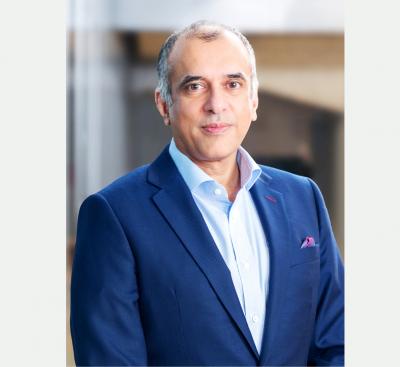
HSBC Holdings PLC is deepening its commitment to Taiwan as the economy emerges as one of the bank’s fastest-growing markets globally, driven by an artificial intelligence (AI) investment boom, expanding cross-border trade, and rising wealth creation. “The advantage that Taiwan has is a growth story linked to the semiconductor and broader AI industries, strong underlying corporate performance, and wealth creation,” said Surendra Rosha, HSBC’s co-chief executive for Asia and the Middle East, in an exclusive interview with the Taipei Times on June 2, during this year’s HSBC Taiwan Conference. That combination has helped HSBC cement its position as the most profitable international
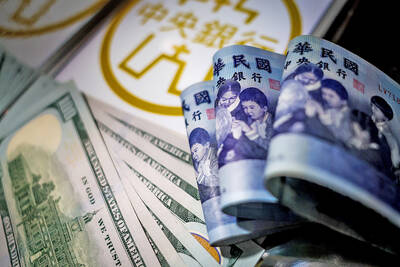
The New Taiwan dollar yesterday fell sharply against the US dollar to close at its lowest level since May 22 amid a massive outflow of funds from the country because of investors panicking over global equity markets. The NT dollar ended at NT$31.580 against the US dollar, slightly lower than its close of NT$31.568 on May 22, after moving between NT$31.5 and NT$31.648 on combined turnover of US$3.062 billion on the Taipei Foreign Exchange and the Cosmos Foreign Exchange. The NT dollar received a significant hit in the morning session, slumping as much as NT$0.173 at a time when other Asian currencies
Taiwan Semiconductor Manufacturing Co (TSMC, 台積電) is now ranked ninth among the world’s 100 most valuable companies after its market capitalization more than doubled over the past year, PricewaterhouseCoopers (PwC) Taiwan said in a report last month. TSMC’s market capitalization surged 101 percent year-on-year to US$1.427 trillion as of March 31, the accounting and consulting firm’s 2026 Global Top 100 Companies by Market Capitalization report said. The gain catapulted the world’s largest contract chipmaker from 12th place to ninth in the rankings, and it was the fastest-growing among the global top 10, it said. TSMC was the only Taiwanese company among the top
Taiwan Semiconductor Manufacturing Co (TSMC, 台積電) yesterday reported record revenue of NT$416.975 billion (US$13.17 billion) for last month, putting the world’s largest contract chipmaker on track to set a record for quarterly revenue. Last month’s figure surpassed March’s record NT$415.19 billion and represented increases of 1.5 percent from April and 30.1 percent from a year earlier. For the first five months of the year, TSMC generated NT$1.96 trillion in revenue, up 30 percent year-on-year, it said in a statement. TSMC has forecast second-quarter revenue of between US$39 billion and US$40.2 billion, representing sequential growth of about 10 percent and year-on-year growth of about


 RSS
RSS