


Cold weather not only increases the risk of cardiovascular incidents but also the risk of sudden sensorineural hearing loss (SSNHL), also known as sudden deafness or ear stroke, a doctor warned.
Wu Chen-Chi (吳振吉), attending physician in University Hospital’s Otolaryngology Department, described a case where a 48-year-old office worker one day woke up with the sudden sensation that their right ear “was turned off” and could not hear, and it was accompanied with tinnitus — the perception of a ringing or buzzing sound.
Wu said the person at first thought it was caused by a common cold or water in the ear after a bath, but the condition persisted, so they sought treatment and were diagnosed with severe SSNHL. Their hearing has improved with treatment and with hearing aids.
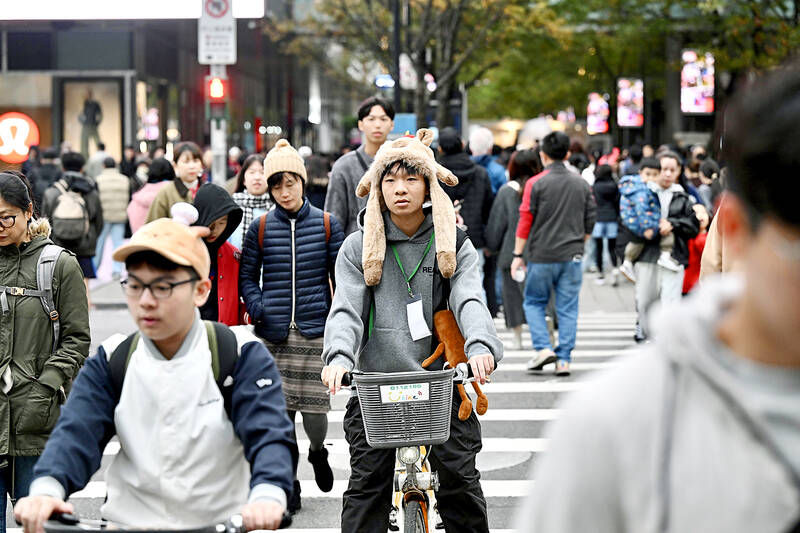
Photo: Taipei Times
The most common clinical causes fall into two categories. The first is “reactivation of viruses that previously remained dormant in the body,” which could be triggered by respiratory tract infections, weakened immunity, or staying up late, he said.
The second is “sudden blockage of the small blood vessels in the inner ears,” which is a larger risk for elderly people with chronic conditions such as diabetes, vascular constriction caused by winter’s low temperatures and viral factors, which can trigger SSNHL, Wu said.
Treatment involves steroid injection, administered orally first, Wu said, adding that if the results are not ideal, further evaluations are made for intratympanic injection or hyperbaric therapy.
Recovery rates follow a “rule of thirds” — one-third of patients recover completely, one-third recover partially and one-third see almost no improvement, Wu said, adding that as it involves inner ear damage, so if no recovery occurs, hearing loss might be permanent.
The earlier the patients get treatment, the better the outcome, with the first seven days generally considered the critical window for better medical outcome. “The sooner, the better,” Wu said.
Taiwan Audiologists Association secretary-general Tsai Chih-hsin (蔡鋕鑫) said blood supply to the inner ear relies on the tiny labyrinthine artery, which has almost no backup vessels, so cold-induced vessel constriction or increased blood viscosity can quickly lead to acute ischemia and hearing loss.
It is common for patients to have sudden hearing loss, tinnitus, a feeling of ear fullness or pressure or even vertigo following a sharp decline in temperature during the night or early morning, he said.
Tsai said the incidence of SSNHL among younger populations in the past few years has risen, with cases among highly stressed office workers aged between 35 and 55 becoming more common.
Cold weather naturally causes blood vessels to constrict, so if combined with factors such as staying up late, high stress levels, smoking or excessive caffeine intake, damage to the inner ear capillaries can more easily occur, Tsai said
As hearing loss is not always obvious, people should seek professional testing for a diagnosis, and if a doctor determines that hearing aids are needed, patients should choose certified providers and pay attention to whether the provider is professionally qualified and provides follow-up services, he said.

Taiwanese can file complaints with the Tourism Administration to report travel agencies if their activities caused termination of a person’s citizenship, Mainland Affairs Council Minister Chiu Chui-cheng (邱垂正) said yesterday, after a podcaster highlighted a case in which a person’s citizenship was canceled for receiving a single-use Chinese passport to enter Russia. The council is aware of incidents in which people who signed up through Chinese travel agencies for tours of Russia were told they could obtain Russian visas and fast-track border clearance, Chiu told reporters on the sidelines of an event in Taipei. However, the travel agencies actually applied

New measures aimed at making Taiwan more attractive to foreign professionals came into effect this month, the National Development Council said yesterday. Among the changes, international students at Taiwanese universities would be able to work in Taiwan without a work permit in the two years after they graduate, explainer materials provided by the council said. In addition, foreign nationals who graduated from one of the world’s top 200 universities within the past five years can also apply for a two-year open work permit. Previously, those graduates would have needed to apply for a work permit using point-based criteria or have a Taiwanese company
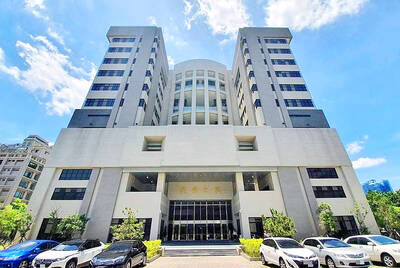
The Shilin District Prosecutors’ Office yesterday indicted two Taiwanese and issued a wanted notice for Pete Liu (劉作虎), founder of Shenzhen-based smartphone manufacturer OnePlus Technology Co (萬普拉斯科技), for allegedly contravening the Act Governing Relations Between the People of the Taiwan Area and the Mainland Area (臺灣地區與大陸地區人民關係條例) by poaching 70 engineers in Taiwan. Liu allegedly traveled to Taiwan at the end of 2014 and met with a Taiwanese man surnamed Lin (林) to discuss establishing a mobile software research and development (R&D) team in Taiwan, prosecutors said. Without approval from the government, Lin, following Liu’s instructions, recruited more than 70 software

Taiwanese singer Jay Chou (周杰倫) plans to take to the courts of the Australian Open for the first time as a competitor in the high-stakes 1 Point Slam. The Australian Open yesterday afternoon announced the news on its official Instagram account, welcoming Chou — who celebrates his 47th birthday on Sunday — to the star-studded lineup of the tournament’s signature warm-up event. “From being the King of Mandarin Pop filling stadiums with his music to being Kato from The Green Hornet and now shifting focus to being a dedicated tennis player — welcome @jaychou to the 1 Point Slam and #AusOpen,” the


 RSS
RSS