


The average age of first-time mothers in Taiwan was 31.65 last year, a sharp rise from the average age two decades ago, the Health Promotion Administration (HPA) said yesterday.
The average age at first birth for Taiwanese mothers rose by 4.26 years from the average of 27.39 years in 2004, the HPA said in a statement, citing Ministry of the Interior data.
More than 30 percent of births last year were “advanced maternal age” births in which the mother was 35 or older, the HPA said.

Photo courtesy of Kaohsiung Show Chwan Memorial Hospital
Among mothers bearing their second child, 37 percent were 35 or older, up 10 percentage points from 2014, the agency said, describing the changes as part of a broader societal trend of marrying later and delaying having children.
The HPA said that couples who are considering having children should do so at a suitable age, as procedures such as egg freezing and in vitro fertilization (IVF) risk complications.
For 36-year-old women, the successful implantation rate after one IVF cycle was 29.9 percent, while the live birth rate was 23.4 percent, the HPA said, citing government data from 2023.
For 44-year-old women the successful implantation rate was only 9.3 percent, while the live birth rate was 5.6 percent, it said.
“Freezing eggs cannot prevent the risks associated with advanced maternal age pregnancies,” such as higher rates of miscarriage, premature birth, birth defects and low birth weight, the agency said.
For mothers, such pregnancies can create a higher risk of gestational hypertension, pre-eclampsia and gestational diabetes, it said.
Men over 40 have higher rates of chromosomal abnormalities and poor sperm quality, making it harder to conceive, it added.
Fathers aged 45 or older are also associated with higher rates of gestational diabetes in their partner, and higher rates of autism, bipolar disorder and schizophrenia in their children, it said.
For couples planning to have children, the ideal age is between 25 and 35 for women and before 40 for men, it said.
Under IVF subsidy rules that took effect on Nov. 1, recipients on their first IVF attempt for each pregnancy are eligible for a subsidy of up to NT$150,000 if they are younger than 39, and up to NT$130,000 for those aged 39 to 44, the HPA said.

Taiwanese can file complaints with the Tourism Administration to report travel agencies if their activities caused termination of a person’s citizenship, Mainland Affairs Council Minister Chiu Chui-cheng (邱垂正) said yesterday, after a podcaster highlighted a case in which a person’s citizenship was canceled for receiving a single-use Chinese passport to enter Russia. The council is aware of incidents in which people who signed up through Chinese travel agencies for tours of Russia were told they could obtain Russian visas and fast-track border clearance, Chiu told reporters on the sidelines of an event in Taipei. However, the travel agencies actually applied

New measures aimed at making Taiwan more attractive to foreign professionals came into effect this month, the National Development Council said yesterday. Among the changes, international students at Taiwanese universities would be able to work in Taiwan without a work permit in the two years after they graduate, explainer materials provided by the council said. In addition, foreign nationals who graduated from one of the world’s top 200 universities within the past five years can also apply for a two-year open work permit. Previously, those graduates would have needed to apply for a work permit using point-based criteria or have a Taiwanese company
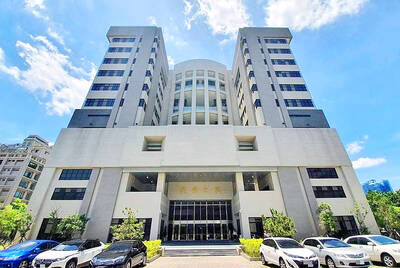
The Shilin District Prosecutors’ Office yesterday indicted two Taiwanese and issued a wanted notice for Pete Liu (劉作虎), founder of Shenzhen-based smartphone manufacturer OnePlus Technology Co (萬普拉斯科技), for allegedly contravening the Act Governing Relations Between the People of the Taiwan Area and the Mainland Area (臺灣地區與大陸地區人民關係條例) by poaching 70 engineers in Taiwan. Liu allegedly traveled to Taiwan at the end of 2014 and met with a Taiwanese man surnamed Lin (林) to discuss establishing a mobile software research and development (R&D) team in Taiwan, prosecutors said. Without approval from the government, Lin, following Liu’s instructions, recruited more than 70 software

Chinese spouse and influencer Guan Guan’s (關關) residency permit has been revoked for repeatedly posting pro-China videos that threaten national security, the National Immigration Agency confirmed today. Guan Guan has said many controversial statements in her videos posted to Douyin (抖音), including “the red flag will soon be painted all over Taiwan” and “Taiwan is an inseparable part of China,” and expressing hope for expedited reunification. The agency last year received multiple reports alleging that Guan Guan had advocated for armed reunification. After verifying the reports, the agency last month issued a notice requiring her to appear and explain her actions. Guan


 RSS
RSS