


Taiwan should strive for breakthroughs in arms trade and military technology cooperation with Japan, Taiwanese academics said in response to the result of Japan’s ruling party election.
Sanae Takaichi, who was elected as leader of the Liberal Democratic Party on Friday, is expected to follow late Japanese prime minister Shinzo Abe’s security strategy and Indo-Pacific policy direction, with Taiwan’s security as one of the top priorities, the analysts said.
If Takaichi becomes prime minister, she would likely be willing to assist Taiwan in bolstering its defense capabilities, National Taiwan University political science associate professor Chen Shih-min (陳世民) said on Saturday.
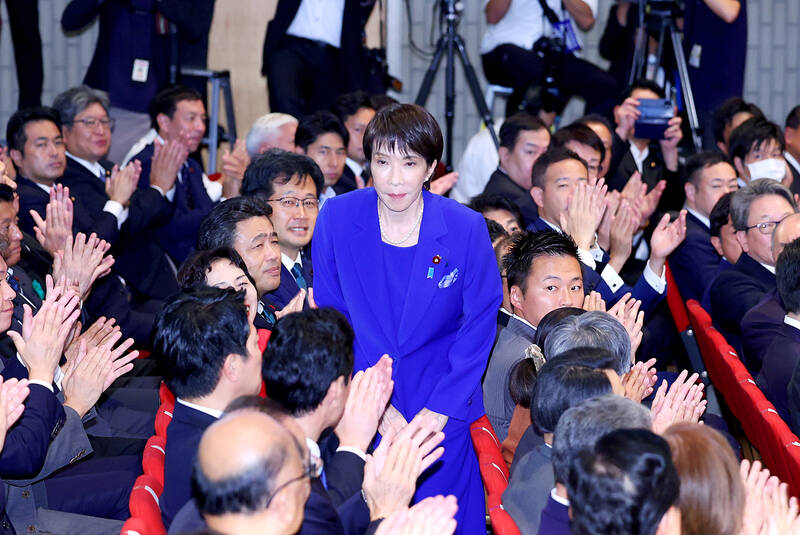
Photo: EPA, Jiji Press
She indicated in a party debate last year that a Chinese attack on Taiwan would constitute a threat to Japan’s survival, echoing Abe’s belief that “a Taiwan contingency is a Japan contingency,” Chen said.
This means Japan could exercise the right to collective self-defense under its constitution and jointly defend Taiwan with the US, he added.
Takaichi’s remarks showed her clear stance on the Taiwan Strait’s security and Taiwan’s strategic importance in Japan’s maritime transport and national security, Chen said, adding that she wants to revise Article 9 of the Japanese constitution, following Abe’s efforts to “normalize” Japan.
She supports bolstering the Japanese Self-Defense Forces and removing some restrictions on the use of military force to improve Japan’s self-defense capabilities and lessen reliance on the US, he said.
Taiwan should seek deeper military cooperation with Japan, especially in terms of arms sales and technology transfer, Chen said.
Japan is one of the world’s most advanced countries in submarine technology, and its retired Soryu-class submarines — which have only served 16 years — would be extremely valuable to Taiwan, he said.
Even if direct weapons sales were not possible, technology transfer could significantly boost Taiwan’s defense capabilities, he added.
Although Japan’s “Three Principles on Transfer of Defense Equipment and Technology” restricts weapons exports, Takaichi might adopt a flexible interpretation, opening up possibilities for more cooperation with Taiwan, Chen said.
Takaichi might be willing to promote military exchanges and technology interaction between the two countries, which would help Taipei develop its defense industry, he added.
Unlike former Japanese prime ministers Fumio Kishida and Shigeru Ishiba, who were concerned about China’s reaction to such interactions, Takaichi would not be afraid of China’s discontent, Chen said, adding that she would do what she considered to be favorable to Taiwan’s security.
“This is a historical moment that should not be missed,” he said, calling on the government to seize this chance to deepen security cooperation with Takaichi’s future Cabinet.
If Takaichi becomes prime minister, she would be the most Taiwan-friendly Japanese leader since World War II, Institute for National Policy Research executive director Wang Hung-jen (王宏仁) said.
She is expected to bring major breakthroughs in political and economic cooperation between Taiwan and Japan, Wang said.
Takaichi has a clearer stance on Taiwan than other candidates, he said, citing an article in which she said that Taiwan is an important friend of Japan, and emphasized that peace and stability in the Taiwan Strait are key concerns for Japan.
She has visited Taiwan multiple times and met with President William Lai (賴清德) in April, expressing her support for an economic partnership agreement between the two countries, Wang said.
Taiwan should seize this opportunity to push for trade agreements covering tariff reductions, personnel exchanges and double taxation issues, he added.
Takaichi is likely to back Taiwan’s meaningful inclusion in international organizations, such as the International Civil Aviation Organization and the WHO, as this is the consensus for like-minded countries, he said.
As for whether Takaichi would enhance military cooperation with Taipei, Wang said she is expected to adopt a pragmatic approach, promoting supply chain security and defense resilience, which would include food and energy security, and dual-use industries such as artificial intelligence and semiconductors.
“This is the most effective way to help Taiwan defend itself,” he added.
During her visits to Taiwan, Takaichi emphasized her commitment to building a “defense network” among friendly countries, he said, adding that she is expected to focus on connecting Taiwan, the US, Japan, the Philippines, Australia and other countries for regional security cooperation.
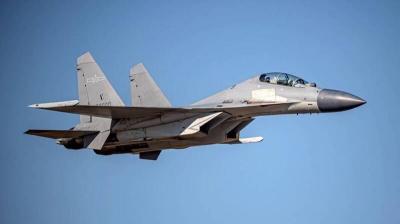
Eight Chinese naval vessels and 24 military aircraft were detected crossing the median line of the Taiwan Strait between 6am yesterday and 6am today, the Ministry of National Defense said this morning. The aircraft entered Taiwan’s northern, central, southwestern and eastern air defense identification zones, the ministry said. The armed forces responded with mission aircraft, naval vessels and shore-based missile systems to closely monitor the situation, it added. Eight naval vessels, one official ship and 36 aircraft sorties were spotted in total, the ministry said.
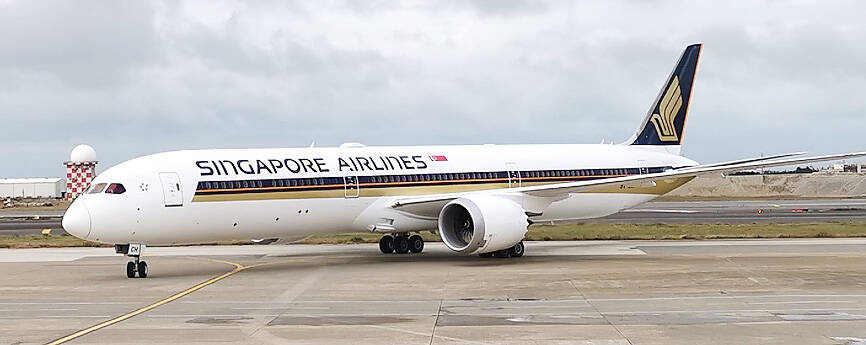
INCREASED CAPACITY: The flights on Mondays, Wednesdays, Fridays and Sundays would leave Singapore in the morning and Taipei in the afternoon Singapore Airlines is adding four supplementary flights to Taipei per week until May to meet increased tourist and business travel demand, the carrier said on Friday. The addition would raise the number of weekly flights it operates to Taipei to 18, Singapore Airlines Taiwan general manager Timothy Ouyang (歐陽漢源) said. The airline has recorded a steady rise in tourist and business travel to and from Taipei, and aims to provide more flexible travel arrangements for passengers, said Ouyang, who assumed the post in July last year. From now until Saturday next week, four additional flights would depart from Singapore on Monday, Wednesday, Friday
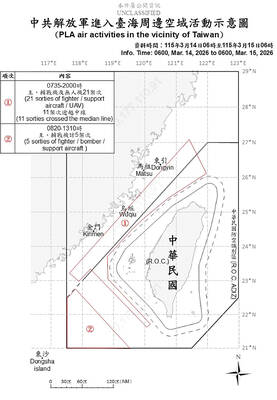
The Ministry of National Defense yesterday reported the return of large-scale Chinese air force activities after their unexplained absence for more than two weeks, which had prompted speculation regarding Beijing’s motives. China usually sends fighter jets, drones and other military aircraft around the nation on a daily basis. Interruptions to such routine are generally caused by bad weather. The Ministry of National Defense said it had detected 26 Chinese military aircraft in the Taiwan Strait over the previous 24 hours. It last reported that many aircraft on Feb. 25, when it spotted 30 aircraft, saying Beijing was carrying out another “joint combat
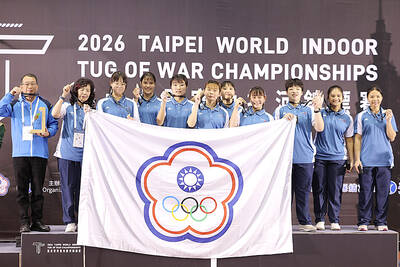
Taiwan successfully defended its women’s 540 kilogram title and won its first-ever men’s 640 kg title at the 2026 World Indoor Tug of War Championships in Taipei yesterday. In the women’s event, Taiwan’s eight-person squad reached the final following a round-robin preliminary round and semifinals featuring teams from Ukraine, Japan, Thailand, Vietnam, the Basque Country and South Korea. In the finals, they swept the Basque team 2-0, giving the team composed mainly of National Taiwan Normal University students and graduates its second championship in a row, and its fourth in five years. Team captain


 RSS
RSS