


A maritime internship vessel commissioned by the Ministry of Education on Monday docked in Tokyo Harbor, which Representative to Japan Lee Yi-yang (李逸洋) hailed as a milestone in maritime exchanges between Taiwan and Japan.
The Wind Rider (御風) — built by Taiwanese shipbuilder CSBC Corp, Taiwan to train Taiwanese students majoring in maritime and related fields — embarked on its maiden voyage from Kaohsiung on Wednesday last week. The voyage provided students hands-on training in operating a vessel.
Speaking inside the ship’s auditorium, Lee praised the students and instructors who worked on and operated the vessel during the five-day trip.
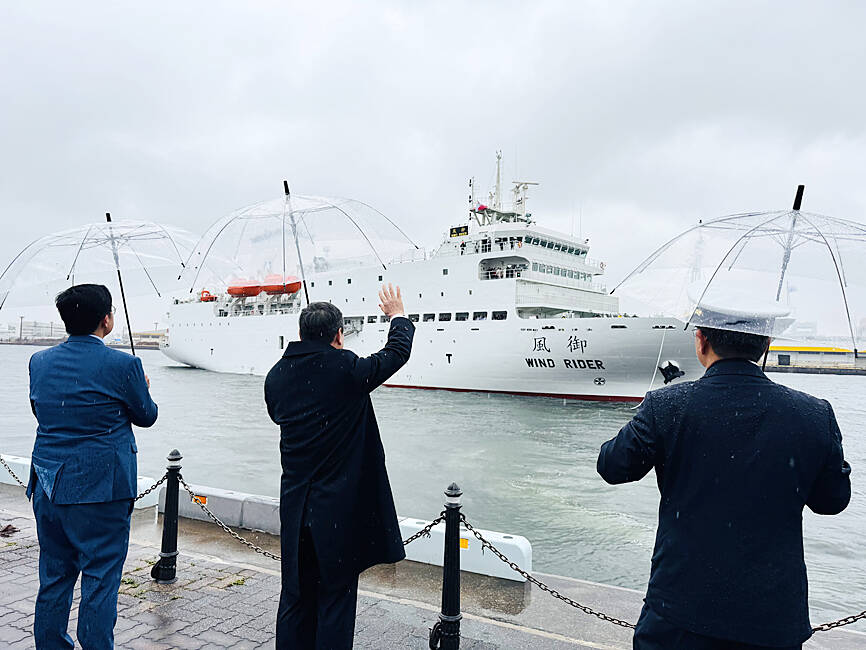
Photo: CNA
“It was significant that the Wind Rider’s maiden trip was to Japan,” Lee said. “It meant that Taiwan’s maritime education has entered a new era, and that Taiwan and Japan have reached a new milestone in maritime exchanges.”
The 9,680-tonne NT$1.65 billion (US$50.13 million) ship, furnished with advanced equipment, can cover longer distances and provide more training to Taiwanese students than previous vessels.
The Wind Rider is the third maritime training vessel built by Taiwan.
The first ship, a 600-tonne vessel completed in 1981, only sailed around Taiwan and between Taiwan proper and Penghu County, while the second vessel, a 1,846-tonne ship finished in 1994, only sailed to Okinawa, Japan, and back, limiting the training students received.
Asked whether Taiwan and Japan would engage in bilateral exchanges on maritime education, Ministry of Education Secretary-General Lin Po-chiao (林伯樵), who also welcomed the ship, said the two sides would discuss the matter.
He said he looked forward to the Wind Rider’s next voyages.
After spending two days in Japan, it would embark on a six-day journey to the Port of Kaohsiung.
“On the third day after its return, the Wind Rider will make its second voyage,” with 195 students from vocational high schools who would train inside three bridge simulators, Lin said.
“It will be a very lively session,” he added.
The ministry plans nine more trips for the Wind Rider this year, and the internship experience would only get better with time, he said.
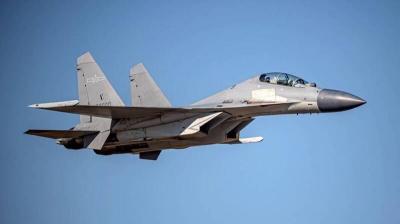
Eight Chinese naval vessels and 24 military aircraft were detected crossing the median line of the Taiwan Strait between 6am yesterday and 6am today, the Ministry of National Defense said this morning. The aircraft entered Taiwan’s northern, central, southwestern and eastern air defense identification zones, the ministry said. The armed forces responded with mission aircraft, naval vessels and shore-based missile systems to closely monitor the situation, it added. Eight naval vessels, one official ship and 36 aircraft sorties were spotted in total, the ministry said.
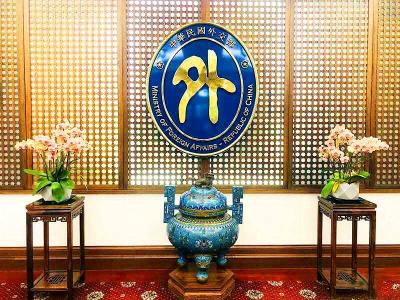
The Ministry of Foreign Affairs (MOFA) today said that if South Korea does not reply appropriately to its request to correct Taiwan’s name on its e-Arrival card system before March 31, it would take corresponding measures to alter how South Korea is labeled on the online Taiwan Arrival Card system. South Korea’s e-Arrival card system lists Taiwan as “China (Taiwan)” in the “point of departure” and “next destination” fields. The ministry said that it changed the nationality for South Koreans on Taiwan’s Alien Resident Certificates from “Korea” to “South Korea” on March 1, in a gesture of goodwill and based on the
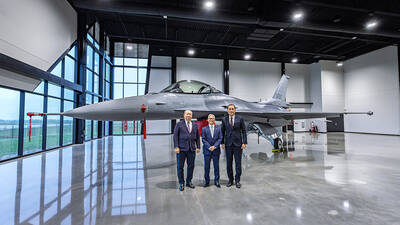
Taiwanese officials were shown the first of 66 F-16V fighter jets purchased by Taiwan from the United States, the Ministry of National Defense said yesterday, adding the aircraft has completed an initial flight test and is expected to be delivered later this year. A delegation led by Deputy Minister of National Defense Hsu Szu-chien (徐斯儉) visited Lockheed Martin’s F-16 C/D Block 70 (also known as F-16V) assembly line in South Carolina on March 16 to view the aircraft. The jet will undergo a final acceptance flight in the US before being delivered to Taiwan, the
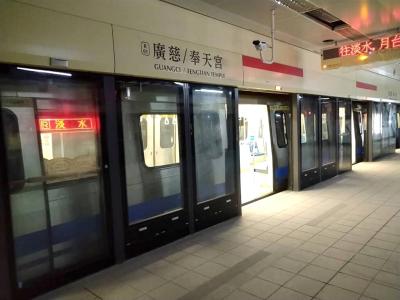
The New Taipei Metro's Sanyin Line and the eastern extension of the Taipei Metro's Tamsui-Xinyi Line (Red Line) are scheduled to begin operations in June, the National Development Council said today. The Red Line, which terminates at Xiangshan Station, would be connected by the 1.4km extension to a new eastern terminal, Guangci/Fengtian Temple Station, while the Sanyin Line would link New Taipei City's Tucheng and Yingge stations via Sanxia District (三峽). The council gave the updates at a council meeting reviewing progress on public construction projects for this year. Taiwan's annual public infrastructure budget would remain at NT$800 billion (US$25.08 billion), with NT$97.3


 RSS
RSS