


Taiwan Railway Corp (TRC) on Monday reported record-high ridership last year — its first year as a state-owned business — but losses widened compared with its final year as a government agency.
Average daily ridership last year reached about 647,700 last year, up 7.8 percent from a year earlier, while ticketing revenue increased by NT$701 million (US$21.26 million) to NT$17.4 billion, TRC president Feng Hui-sheng (馮輝昇) told a news conference.
The company also recorded revenue of NT$46.4 billion from businesses outside its core transportation services, Feng said.
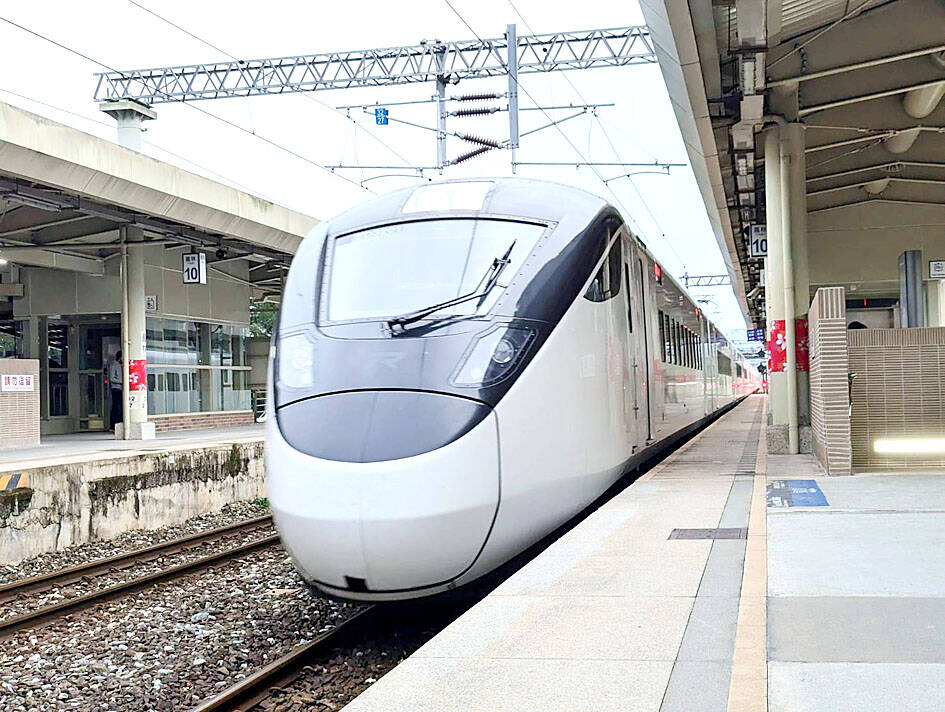
Photo: Taipei Times
Revenue from these businesses, including sales of boxed lunches, package tours and property management, rose 9.3 percent from a year earlier, Feng said.
The rounded ridership figure for last year surpassed the previous high of 646,990 registered in 2019, before railway services were adversely affected by the COVID-19 pandemic, company data showed.
Despite the rebound in ridership, the company posted losses of about NT$12 billion last year, he said, citing a major earthquake on April 3, which seriously damaged its tracks and facilities in eastern Taiwan and the closure of a section in Hualien County, as a major factor.
A 4 percent salary increase introduced at the beginning of last year, two electricity rate hikes, financial obligations to meet pension fund requirements and three typhoons also contributed to the higher losses, he said.
However, TRC chairman Du Wei (杜微) said the company was still on course to have a positive cash flow by next year and turn a profit by 2028.
One option for boosting revenues is increasing ticket prices, which have stayed the same since 1995, he said.
Du said the company’s board of directors is to meet after the Lunar New Year holiday to review a proposal to raise railway ticket prices by an average of 3 percent.
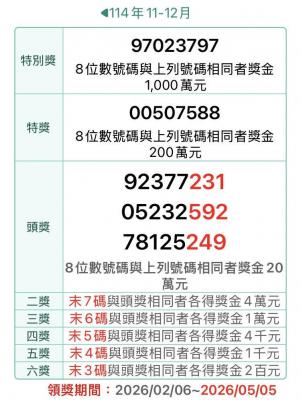
Seven of the 17 NT$10 million (US$311,604) winning receipts from the November-December uniform invoice lottery remain unclaimed as of today, the Ministry of Finance said, urging winners to redeem their prizes by May 5. The reminder comes ahead of the release of the winning numbers for the January-February lottery tomorrow. Among the unclaimed receipts was one for a NT$173 phone bill in Keelung, while others were for a NT$5,913 purchase at Costco in Taipei's Neihu District (內湖), a NT$49 purchase at a FamilyMart in New Taipei City's Tamsui District (淡水), and a NT$500 purchase at a tea shop in New Taipei City's
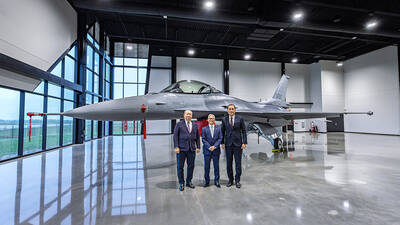
Taiwanese officials were shown the first of 66 F-16V fighter jets purchased by Taiwan from the United States, the Ministry of National Defense said yesterday, adding the aircraft has completed an initial flight test and is expected to be delivered later this year. A delegation led by Deputy Minister of National Defense Hsu Szu-chien (徐斯儉) visited Lockheed Martin’s F-16 C/D Block 70 (also known as F-16V) assembly line in South Carolina on March 16 to view the aircraft. The jet will undergo a final acceptance flight in the US before being delivered to Taiwan, the
Deliveries of delayed F-16V jets are expected to begin in September, Minister of National Defense Wellington Koo (顧立雄) said today, after senior defense officials visited the US last week. The US in 2019 approved a US$8 billion sale of Lockheed Martin F-16 jets to Taiwan, a deal that would take the nation’s F-16 fleet to more than 200 jets, but the project has been hit by issues including software problems. Koo appeared today before a meeting of the legislature’s Foreign Affairs and National Defense Committee, which is discussing different versions of the special defense budget this week. The committee is questioning officials today,
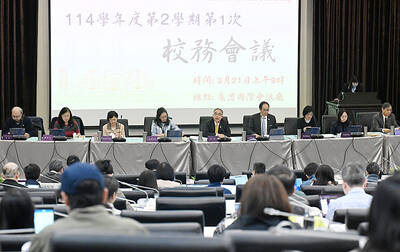
TALENT SCOUTING: The university is investing substantial funds in its future to bring in the kind of researchers that would keep the college internationally competitive National Taiwan University (NTU) plans to invest NT$2 billion (US$62.6 million) to launch two programs aimed at attracting and retaining top research talent, university president Chen Wen-chang (陳文章) said yesterday. The funding would support the “Palm Grove Scholars Project,” which targets academics aged 40 to 55. Up to 20 scholars would be selected, each receiving as much as NT$10 million annually, Chen said. The initiative is designed to attract leading researchers to Taiwan and strengthen NTU’s global competitiveness by fostering a more research-friendly environment and expanding international collaboration, he said. NTU is also introducing a “Hong Hu” chair grant, which would provide Palm


 RSS
RSS