


Taiwanese visited public libraries more than 100 million times last year, an increase of 22.06 million from 2022, the National Central Library said in a report yesterday.
National Central Library Director-General Wang Han-ching (王涵青) at a news conference in Taipei presented the findings of the Annual Report on Reading Atmosphere and Reading Engagement in Taiwan.
In addition to the rise in visits to public libraries, the number of books loaned last year surpassed 100 million, reaching about 127.9 million, an increase of 37.63 percent compared with 2022, the report said.
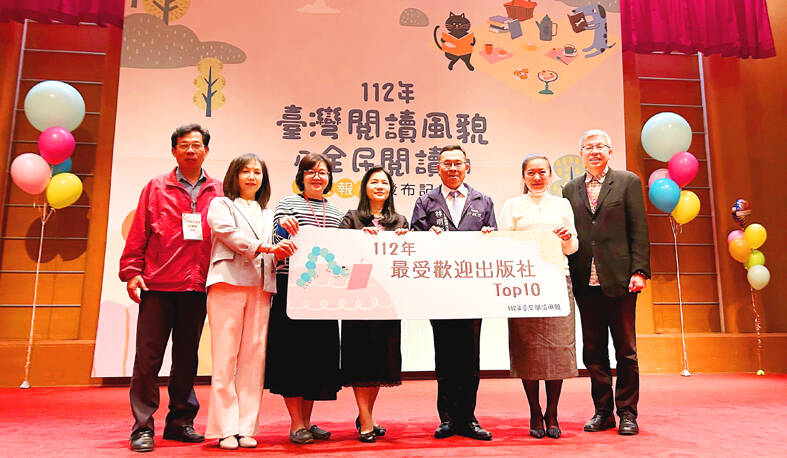
Photo: CNA
The number of borrowers rose to 35.28 million, an increase of about 5.3 million, or 17.67 percent, it said.
People borrowed more books last year than the previous year, with the average number of books borrowed per person rising to 5.43, up from 1.43.
The average number of visits per person to libraries last year was 4.62, while library card applications rose to 21 million, it said.
E-book borrowing increased to 9.91 million volumes, an increase of 6.21 percent, while e-resource use rose by 136 million items accessed to 841.4 million, it said.
A Chinese-language version of Atomic Habits: An Easy & Proven Way to Build Good Habits & Break Bad Ones by James Clear was the most borrowed book, while a Chinese translation of the King of Science Experiments manga series was the most popular among borrowers aged six to 11 for the eighth consecutive year, it said.

GENSLER SURVEY: ‘Economic infrastructure is not enough. A city needs to inspire pride, offer moments of joy and foster a sense of belonging,’ the company said Taipei was named the city with the “highest staying power” in the world by US-based design and architecture firm Gensler. The Taiwanese capital earned the top spot among 65 cities across six continents with 64 percent of Taipei respondents in a survey of 33,000 people saying they wanted to stay in the city. Rounding out the top five were Vietnam’s Ho Chi Minh City (61 percent), Singapore (59 percent), Sydney (58 percent) and Berlin (51 percent). Sixth to 10th place went to Monterrey, Mexico; Munich, Germany; Sao Paulo, Brazil; Vancouver; and Seoul. Cities in the US were ranked separately, with Minneapolis first at

The Japan-Taiwan Exchange Association has cautioned Japanese travelers to be vigilant against pickpockets at several popular tourist spots in Taiwan, including Taipei’s night markets, the Yongkang Street area, Zhongshan MRT Station, and Jiufen (九份) in New Taipei City. The advisory, titled “Recent Development of Concerns,” was posted on the association’s Web site under its safety and emergency report section. It urges travelers to keep backpacks fully zipped and carried in front, with valuables placed at the bottom of the bag. Visitors are advised to be especially mindful of their belongings when taking photos or speaking on the phone, avoid storing wallets and
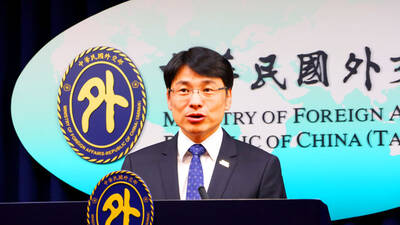
ENDORSING TAIWAN: Honduran presidential candidate Nasry Afura said that Honduras was ‘100 times better off’ when it was allied with Taipei The Ministry of Foreign Affairs yesterday said it would explore the possibility of restoring diplomatic relations with Honduras based on the principle of maintaining national interests and dignity. The ministry made the remarks in response to reporters’ questions regarding an article titled: “Will Taiwan Regain a Diplomatic Ally?” published in The Diplomat on Saturday. The article said Honduras’ presidential election in November could offer Taiwan the chance to regain an ally, as multiple candidates have promoted re-establishing diplomatic relations with Taiwan. Honduras severed diplomatic ties with Taiwan in March 2023 in favor of Beijing, but since switching its diplomatic recognition,
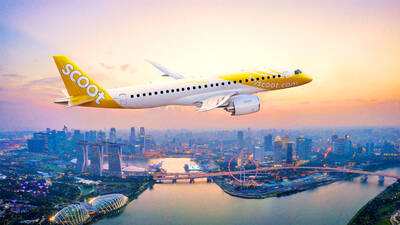
Scoot announced yesterday that starting in October, it would increase flights between Taipei and Japan’s Narita airport and Hokkaido, and between Singapore and Taipei. The low-cost airline, a subsidiary of Singapore Airlines, also said it would launch flights to Chiang Rai in Thailand, Okinawa and Tokyo’s Haneda airport between December and March next year. Flights between Singapore and Chiang Rai would begin on Jan. 1, with five flights per week operated by an Embraer E190-E2 aircraft, Scoot said. Flights between Singapore and Okinawa would begin on Dec. 15, with three flights per week operated by Airbus A320 aircraft, the airline said. Services between Singapore


 RSS
RSS