


As of Tuesday, a total of 24 batches of imported chili powder tainted with Sudan red dye — an industrial additive banned in foods — had been confirmed, and 547,238.2kg of the powders and food products that used them had been sealed or removed from shelves, the Food and Drug Administration (FDA) said yesterday.
The chili powders that failed inspections so far include 10 batches imported by Bao Hsin Enterprises Co (保欣企業) in New Taipei City from Sanhe Drug Co (三禾藥業) in China’s Henan Province.
Eleven batches were imported by Gin Zhan International Co (津棧國際貿易) in Kaohsiung and its affiliates, including one batch by Chia Guang International Co (佳廣國際貿易) and one by Kwang Yuan Co (廣元), which bought them from China’s Kavin Shipping Ltd, Eastrong International Co and Long Hai Tong Ji Foods Co (龍海同記食品).
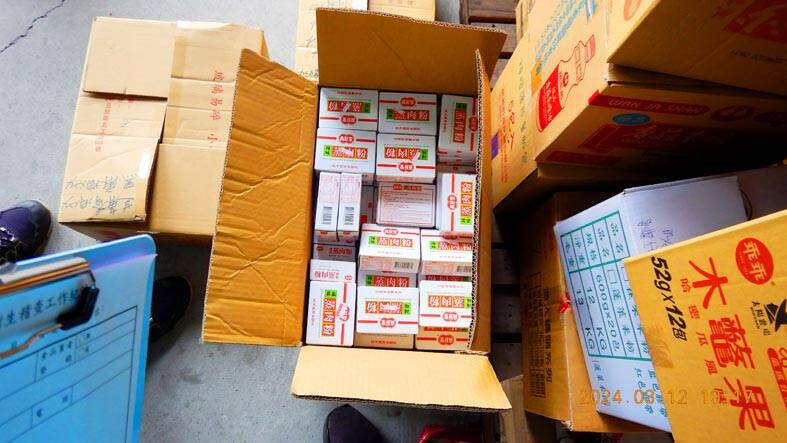
Photo courtesy of the Taitung County Public Health Bureau
One batch was imported by Great Agar Enterprise Co (葛瑞特洋菜企業) in Tainan, which purchased the chili powder from China’s Zhecheng County Hengfeng (柘城縣恒豐食品) food company.
Two batches were imported by Chan Gu Products Co (長谷農產) in Yunlin County, which also sourced the chili powder from Hengfeng food company as well as Liability Limited Pacific Co in Vietnam.
The Ministry of Health and Welfare has promised to complete inspections and testings of tainted products by the end of the month, and work by the agency and local health departments are progressing on schedule, FDA Deputy Director-General Lin Chin-fu (林金富) said.
Moreover, members of the public are encouraged to report suspected food items, such as those that have chili powder with unnatural colors, he said.
The FDA will continue to accept reports and tip-offs after this month, he said.
Meanwhile, Wu Ying-cheng (吳映澄), a dietitian, wrote on her Facebook page that while many people are surprised that Sudan red tainted chili powder was found in shacha sauce, pepper powder, curry powder and other spices, the dyes have also been found in palm oil in other countries.
Citing data from FDA border inspections from 2015 to this year, Wu said that 53 food items were found to contain Sudan red, including rose petals, chili powder and chili oil, but not yet in palm oil.
Asked about Wu’s comment, Lin on Monday said that from 2021 to Sunday, Taiwan had only imported 13,051kg of palm oil, all of which have passed their expiration date by now.
As such, none are being sold at retailers now, but the agency will start batch-by-batch inspections of imported red palm oil and test them for Sudan red, Lin said.
Additional reporting by CNA

Taiwanese can file complaints with the Tourism Administration to report travel agencies if their activities caused termination of a person’s citizenship, Mainland Affairs Council Minister Chiu Chui-cheng (邱垂正) said yesterday, after a podcaster highlighted a case in which a person’s citizenship was canceled for receiving a single-use Chinese passport to enter Russia. The council is aware of incidents in which people who signed up through Chinese travel agencies for tours of Russia were told they could obtain Russian visas and fast-track border clearance, Chiu told reporters on the sidelines of an event in Taipei. However, the travel agencies actually applied
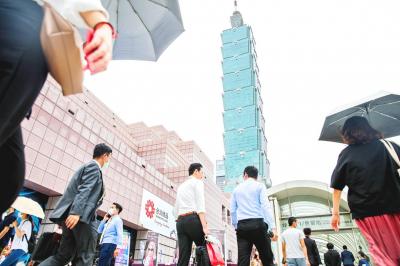
Japanese footwear brand Onitsuka Tiger today issued a public apology and said it has suspended an employee amid allegations that the staff member discriminated against a Vietnamese customer at its Taipei 101 store. Posting on the social media platform Threads yesterday, a user said that an employee at the store said that “those shoes are very expensive” when her friend, who is a migrant worker from Vietnam, asked for assistance. The employee then ignored her until she asked again, to which she replied: "We don't have a size 37." The post had amassed nearly 26,000 likes and 916 comments as of this

New measures aimed at making Taiwan more attractive to foreign professionals came into effect this month, the National Development Council said yesterday. Among the changes, international students at Taiwanese universities would be able to work in Taiwan without a work permit in the two years after they graduate, explainer materials provided by the council said. In addition, foreign nationals who graduated from one of the world’s top 200 universities within the past five years can also apply for a two-year open work permit. Previously, those graduates would have needed to apply for a work permit using point-based criteria or have a Taiwanese company
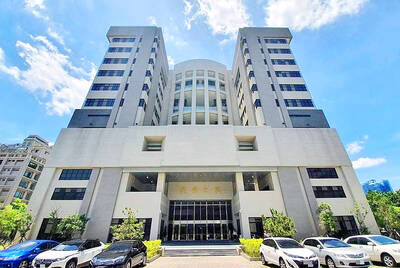
The Shilin District Prosecutors’ Office yesterday indicted two Taiwanese and issued a wanted notice for Pete Liu (劉作虎), founder of Shenzhen-based smartphone manufacturer OnePlus Technology Co (萬普拉斯科技), for allegedly contravening the Act Governing Relations Between the People of the Taiwan Area and the Mainland Area (臺灣地區與大陸地區人民關係條例) by poaching 70 engineers in Taiwan. Liu allegedly traveled to Taiwan at the end of 2014 and met with a Taiwanese man surnamed Lin (林) to discuss establishing a mobile software research and development (R&D) team in Taiwan, prosecutors said. Without approval from the government, Lin, following Liu’s instructions, recruited more than 70 software


 RSS
RSS