


The Taiwan People’s Party (TPP) is to propose the establishment of a legislative panel to evaluate the effectiveness of the one-year extended military service once the new legislative session convenes on Thursday next week, TPP legislator-at-large-elect Vivian Huang (黃珊珊) said yesterday.
New conscripts began their compulsory service yesterday, making them the first batch to serve after the program was re-extended to one year.
Huang urged the government to ensure that young men’s lives and year of training are not wasted.
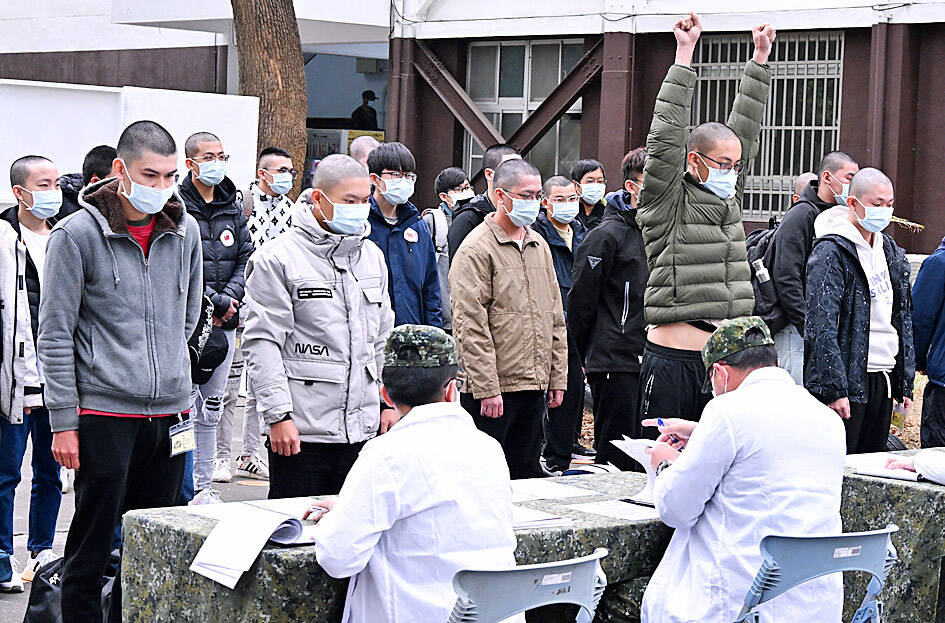
Photo: Liu Hsin-de, Taipei Times
The proposed panel under the Legislative Yuan’s Foreign Affairs and National Defense Committee would examine whether the Ministry of National Defense (MND) can provide valuable and solid military training in one year and ensure that the training is applicable when necessary, she wrote on Facebook.
The panel would be composed of members from different parties and would report directly to the committee, Huang added.
The content and quality of the one-year compulsory service should matter more than the duration, she said, adding that it should develop skills that are applicable during wartime, provide equipment training, and promote unit discipline and personal interactions between trainees and instructors.
The ministry is known to be “lax” in discipline, she said, urging it to step up management and oversight, endeavor to make people feel proud of serving in the military.
She cautioned that the “3+1” (three years of university coursework and one year of military service) policy option would only create more problems instead of helping to bridge the gap for students who are to serve in the military.
The Ministry of Education proposed the policy to balance education with compulsory military service, asking schools to relax regulations on maximum credits per semester and cross-university elective courses to allow students to finish their bachelor’s degrees and compulsory service in time.
Huang also urged the MND to mull plans on fully integrating military reservists in times of war to ensure the country’s combat preparedness.
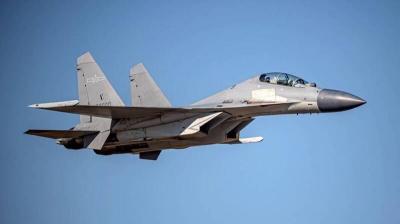
Eight Chinese naval vessels and 24 military aircraft were detected crossing the median line of the Taiwan Strait between 6am yesterday and 6am today, the Ministry of National Defense said this morning. The aircraft entered Taiwan’s northern, central, southwestern and eastern air defense identification zones, the ministry said. The armed forces responded with mission aircraft, naval vessels and shore-based missile systems to closely monitor the situation, it added. Eight naval vessels, one official ship and 36 aircraft sorties were spotted in total, the ministry said.
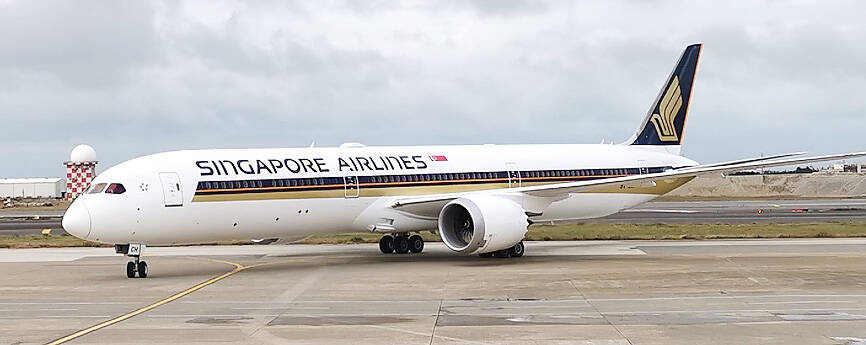
INCREASED CAPACITY: The flights on Mondays, Wednesdays, Fridays and Sundays would leave Singapore in the morning and Taipei in the afternoon Singapore Airlines is adding four supplementary flights to Taipei per week until May to meet increased tourist and business travel demand, the carrier said on Friday. The addition would raise the number of weekly flights it operates to Taipei to 18, Singapore Airlines Taiwan general manager Timothy Ouyang (歐陽漢源) said. The airline has recorded a steady rise in tourist and business travel to and from Taipei, and aims to provide more flexible travel arrangements for passengers, said Ouyang, who assumed the post in July last year. From now until Saturday next week, four additional flights would depart from Singapore on Monday, Wednesday, Friday
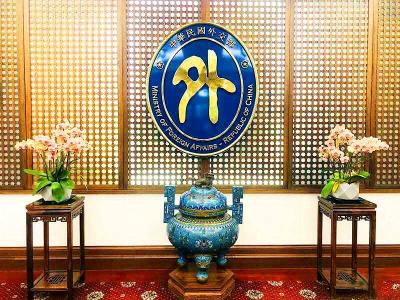
The Ministry of Foreign Affairs (MOFA) today said that if South Korea does not reply appropriately to its request to correct Taiwan’s name on its e-Arrival card system before March 31, it would take corresponding measures to alter how South Korea is labeled on the online Taiwan Arrival Card system. South Korea’s e-Arrival card system lists Taiwan as “China (Taiwan)” in the “point of departure” and “next destination” fields. The ministry said that it changed the nationality for South Koreans on Taiwan’s Alien Resident Certificates from “Korea” to “South Korea” on March 1, in a gesture of goodwill and based on the
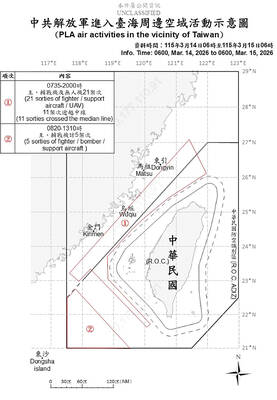
The Ministry of National Defense yesterday reported the return of large-scale Chinese air force activities after their unexplained absence for more than two weeks, which had prompted speculation regarding Beijing’s motives. China usually sends fighter jets, drones and other military aircraft around the nation on a daily basis. Interruptions to such routine are generally caused by bad weather. The Ministry of National Defense said it had detected 26 Chinese military aircraft in the Taiwan Strait over the previous 24 hours. It last reported that many aircraft on Feb. 25, when it spotted 30 aircraft, saying Beijing was carrying out another “joint combat


 RSS
RSS