


As hobby groups explode on social media, figurine collection has been transformed from a pastime to an investment, collectors said.
Tsai Chia-hang (蔡嘉航), a noted collector of figurines from central Taiwan, said he got into the hobby after being given an anime figurine five years ago.
Tsai’s collection has grown to more than 1,000 figurines, which he displays at Tsai’s All Blue, a figurine-themed restaurant in Chiayi County’s Hemei (和美) that has become a mecca for figurine enthusiasts, he said.
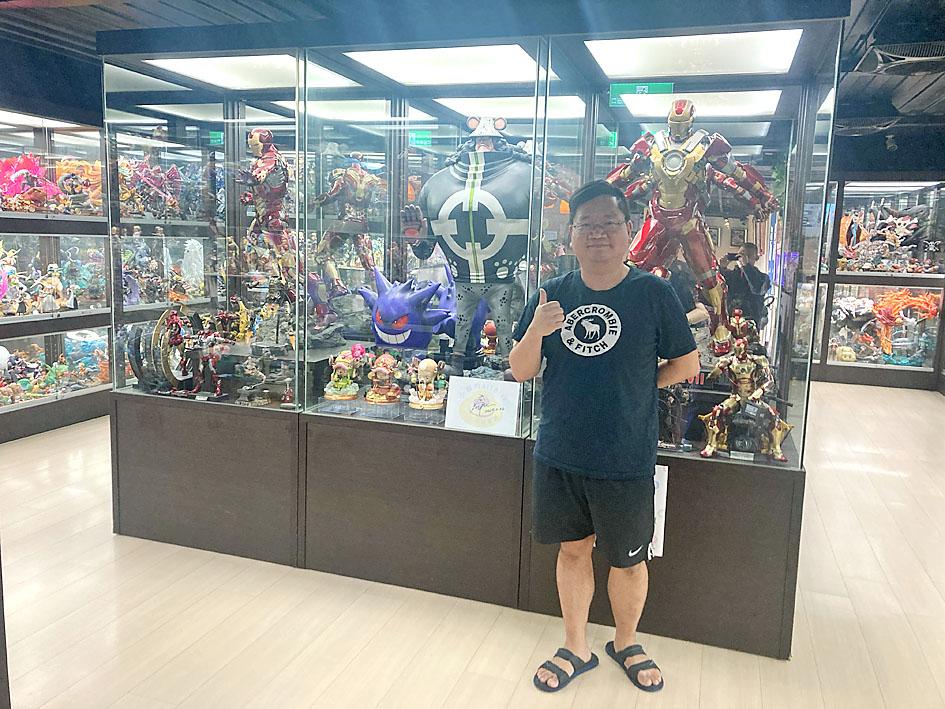
Photo: Chueh Ching-lun, Taipei Times
The rising popularity of Japanese anime and manga around the world has boosted the value of figurines, making them the top revenue sources of toy manufacturers in Japan, he said.
Some collectors seek figurines with potential collector’s value as a form of investment, Tsai said.
The world of collectible figurines is divided between Japanese and US franchises, with the most popular examples of the former being figurines from the series One Piece, Naruto and Demon Slayer, he said, adding that new figurines are being created every year for collectors.
The most popular US figurines are those based on Marvel and DC franchises, and the Transformers franchise, while Denmark’s Lego commands a separate and loyal fan base, he said.
Collectors usually start the hobby through comics and animation, and come from all walks of life, Tsai said, adding that he has met a butcher, a lawyer and a police officer who are into collecting figurines.
The most popular type are polyvinyl chloride (PVC) figurines, Tsai said.
PVC figurines typically stand 15cm to 25cm tall and their prices vary according to quality, with the cheapest costing several hundred New Taiwan dollars and well-made ones from famous brands costing NT$3,000 to NT$4,000, he said.
The value-holding quality of PVC figurines has increased following the COVID-19 pandemic, he said, adding that buyers should try to predict the figurines’ future value according to quality and quantity.
PVC figurines should be kept in temperatures lower than 30°C to prevent sweating or mold, he said, adding that mold could spread to other figurines.
On the other hand, so-called garage kits, which Tsai prefers, are figurines made of resin or artificial stone that offer better value due to their superior durability, workmanship, higher price and limited production, he said.
Being more expensive, garage kits are also harder to get into and building a collection could cost tens of thousands of NT dollars, he said.
People new to the hobby should start with figurines made by known Japanese brands, talk to experienced hobbyists and resist impulse-buying to avoid wasting money on fakes, he said.
As anime or manga franchises can go out of fashion, buyers should gauge a series’ potential for lasting appeal before investing in its figurines, he said, adding that the size of pre-orders is another good indicator of value.
People should not get into the hobby unless they have money, passion and the ability to do research, he said.
“Nothing is worse than rushing in on the next hot thing and spending money hand over fist,” Tsai said.
A Taipei man who asked to be identified as Jim said that his income has more than doubled since he started moonlighting as an online figurine trader.
Jim said he makes NT$50,000 a month at his regular job as a sales and marketing manager, while his side job — which involves buying figurines for others from online vendors — brings in NT$80,000 a month, he said.
He started buying figurines from US-based franchises in 2019 after watching the movie Avengers: Endgame, he said.
Finding the merchandise in Taiwanese stores to be overpriced, Jim moved his search for figurines to Amazon.com and other foreign-based platforms, which proved easy to navigate, despite the language barrier, he said.
He later began his business of buying figurines for other collectors for a commission, he said.
Making a living off the figurines trade requires passion and being in touch with Taiwan’s otaku culture so as to anticipate client demand, he said.
The trade is not without risks or volatility, he said.
He once placed a nearly NT$10,000 order with a toymaker, only to see it suddenly go out of business and refuse to even acknowledge his request for a refund, Jim said.
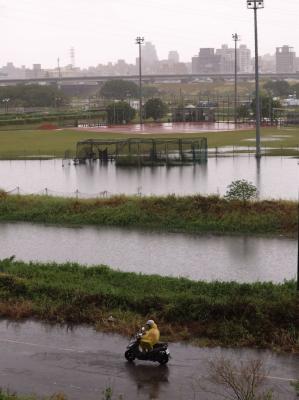
Taipei, New Taipei City, Keelung and Taoyuan would issue a decision at 8pm on whether to cancel work and school tomorrow due to forecasted heavy rain, Keelung Mayor Hsieh Kuo-liang (謝國樑) said today. Hsieh told reporters that absent some pressing reason, the four northern cities would announce the decision jointly at 8pm. Keelung is expected to receive between 300mm and 490mm of rain in the period from 2pm today through 2pm tomorrow, Central Weather Administration data showed. Keelung City Government regulations stipulate that school and work can be canceled if rain totals in mountainous or low-elevation areas are forecast to exceed 350mm in
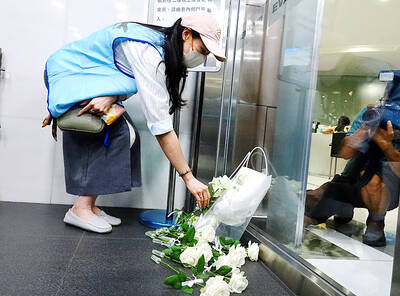
EVA Airways president Sun Chia-ming (孫嘉明) and other senior executives yesterday bowed in apology over the death of a flight attendant, saying the company has begun improving its health-reporting, review and work coordination mechanisms. “We promise to handle this matter with the utmost responsibility to ensure safer and healthier working conditions for all EVA Air employees,” Sun said. The flight attendant, a woman surnamed Sun (孫), died on Friday last week of undisclosed causes shortly after returning from a work assignment in Milan, Italy, the airline said. Chinese-language media reported that the woman fell ill working on a Taipei-to-Milan flight on Sept. 22
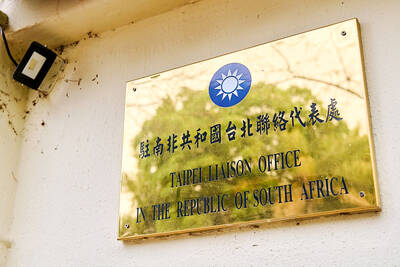
COUNTERMEASURE: Taiwan was to implement controls for 47 tech products bound for South Africa after the latter downgraded and renamed Taipei’s ‘de facto’ offices The Ministry of Foreign Affairs is still reviewing a new agreement proposed by the South African government last month to regulate the status of reciprocal representative offices, Minister of Foreign Affairs Lin Chia-lung (林佳龍) said yesterday. Asked about the latest developments in a year-long controversy over Taiwan’s de facto representative office in South Africa, Lin during a legislative session said that the ministry was consulting with legal experts on the proposed new agreement. While the new proposal offers Taiwan greater flexibility, the ministry does not find it acceptable, Lin said without elaborating. The ministry is still open to resuming retaliatory measures against South
1.4nm WAFERS: While TSMC is gearing up to expand its overseas production, it would also continue to invest in Taiwan, company chairman and CEO C.C. Wei said Taiwan Semiconductor Manufacturing Co (TSMC) has applied for permission to construct a new plant in the Central Taiwan Science Park (中部科學園區), which it would use for the production of new high-speed wafers, the National Science and Technology Council said yesterday. The council, which supervises three major science parks in Taiwan, confirmed that the Central Taiwan Science Park Bureau had received an application on Friday from TSMC, the world’s largest contract chipmaker, to commence work on the new A14 fab. A14 technology, a 1.4 nanometer (nm) process, is designed to drive artificial intelligence transformation by enabling faster computing and greater power


 RSS
RSS